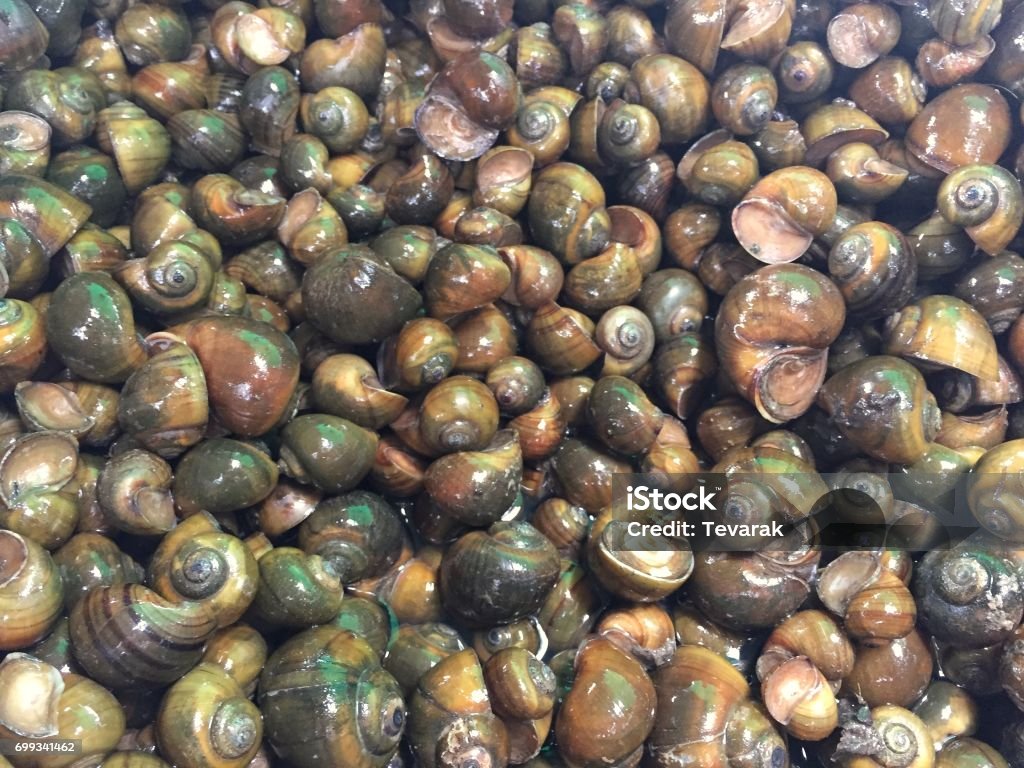
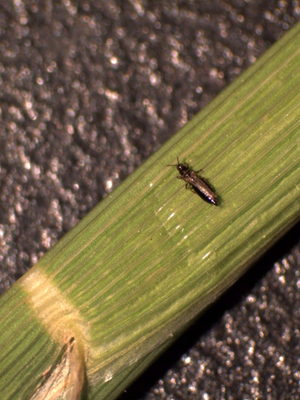
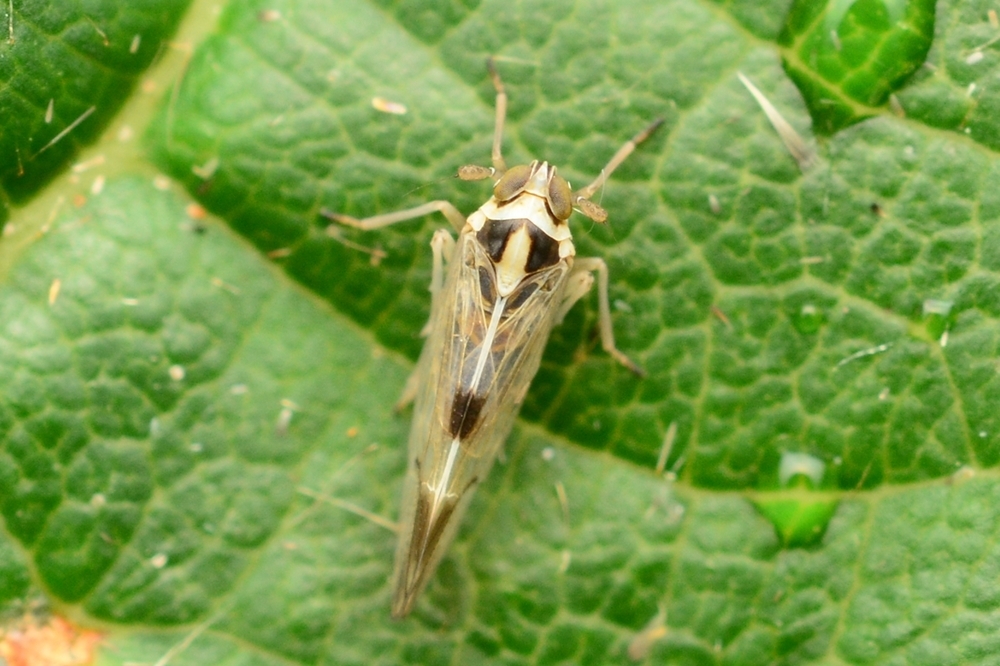
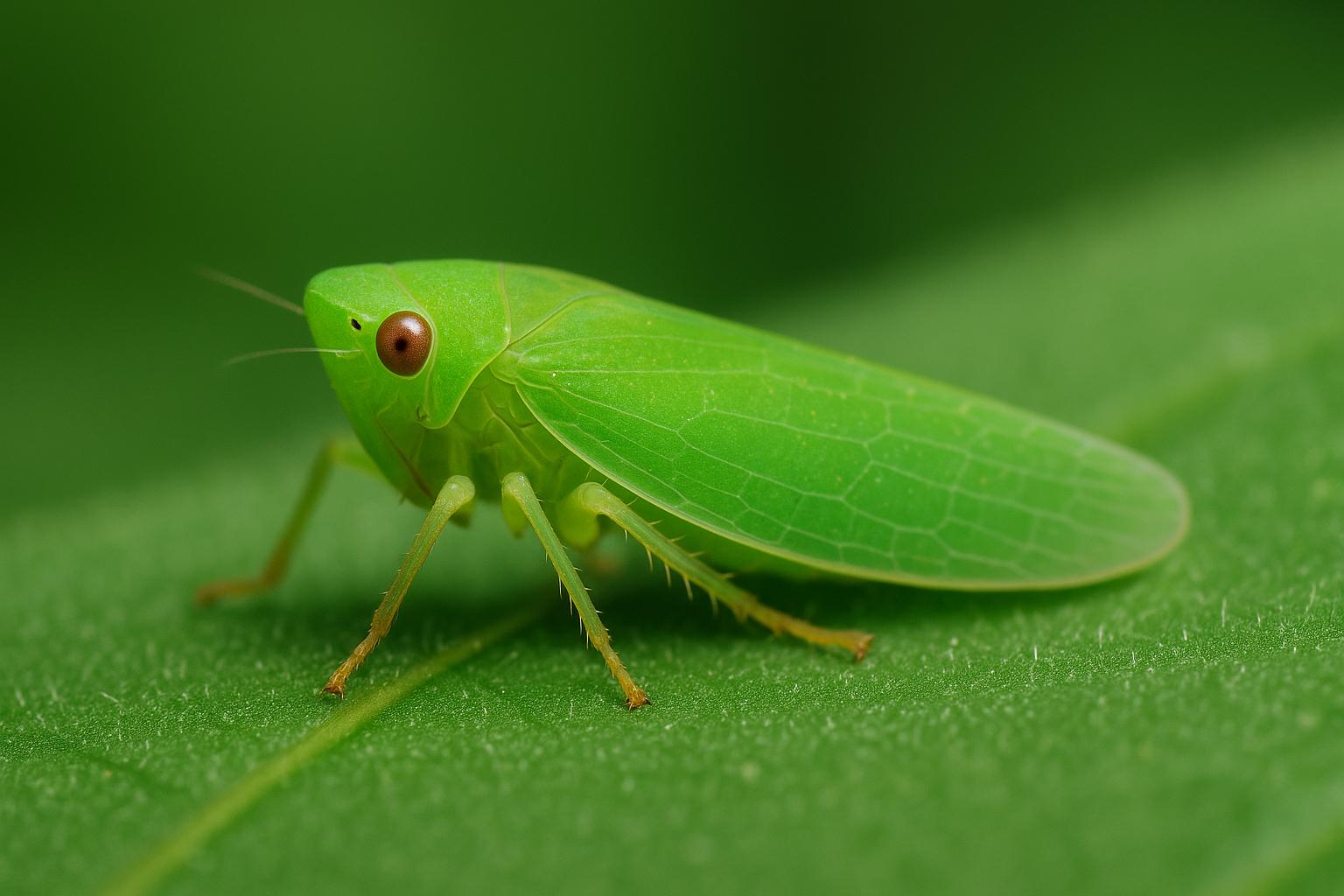
Collect snails and egg masses, manage water depth, use screens where practical, and follow local snail-management advice.
visibility
Paano Makikilala (How to Identify)
What Farmers Should Watch For: Look for missing or cut seedlings, large snails, and bright pink egg masses above the waterline.
Conditions That Help the Pest/Disease Spread: Most damaging in nurseries and newly planted fields where young seedlings are surrounded by shallow standing water.
checklist
Ano ang Gagawin (What to Do)
What Farmers Should Do: Collect snails and egg masses, manage water depth, use screens where practical, and follow local snail-management advice.
How to Check the Field: Check field edges, canals, bunds, and young seedlings, especially early in the morning.
warning
Possible Effect on the Crop
Snails can destroy many young seedlings and leave large gaps in the field.
thermostat
Weather-Related Risk
Flooded fields and standing water make it easier for snails to move and feed.
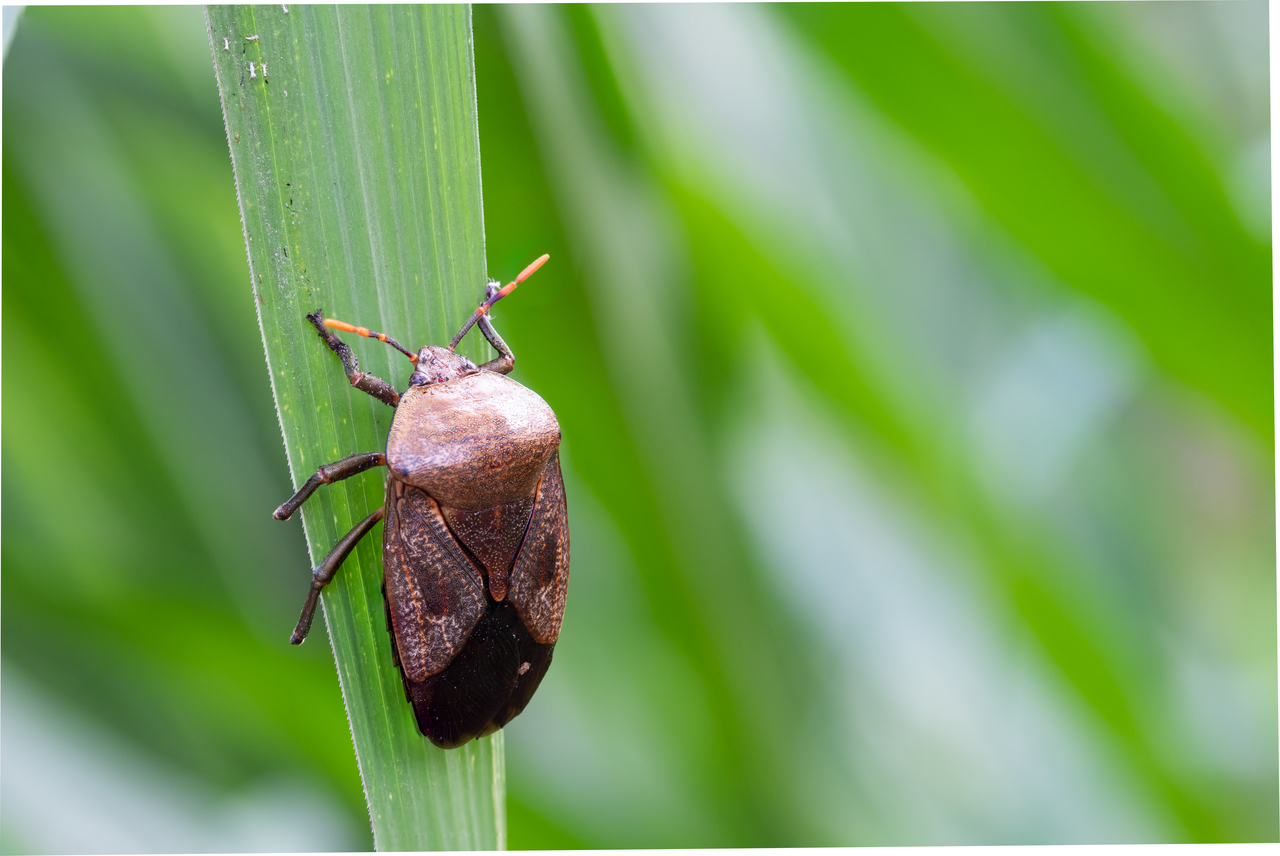
Keep the field and nearby grassy areas clean, monitor regularly, and follow local control recommendations if numbers become damaging.
visibility
Paano Makikilala (How to Identify)
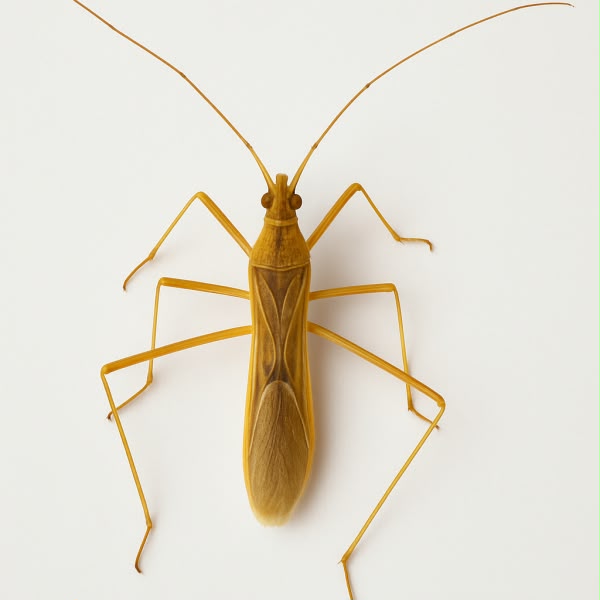
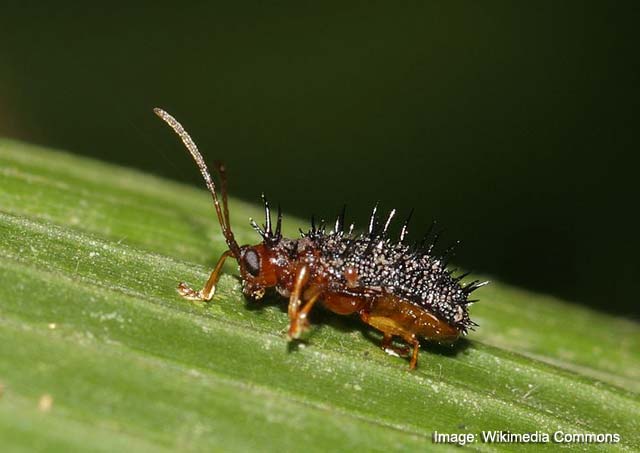
What Farmers Should Watch For: Look for wilting plants, yellowing, poor growth, and dark bugs with a strong unpleasant smell.
Conditions That Help the Pest/Disease Spread: Can appear from crop establishment to grain filling, especially where fields have grassy surroundings and black bugs are already present.
checklist
Ano ang Gagawin (What to Do)
What Farmers Should Do: Keep the field and nearby grassy areas clean, monitor regularly, and follow local control recommendations if numbers become damaging.
How to Check the Field: Inspect the base of plants, field edges, and grassy areas. Bugs may be easier to find at night or with light traps.
warning
Possible Effect on the Crop
Feeding can weaken plants and may reduce grain filling and yield.
thermostat
Weather-Related Risk
Dry periods can favor buildup and movement into rice fields.
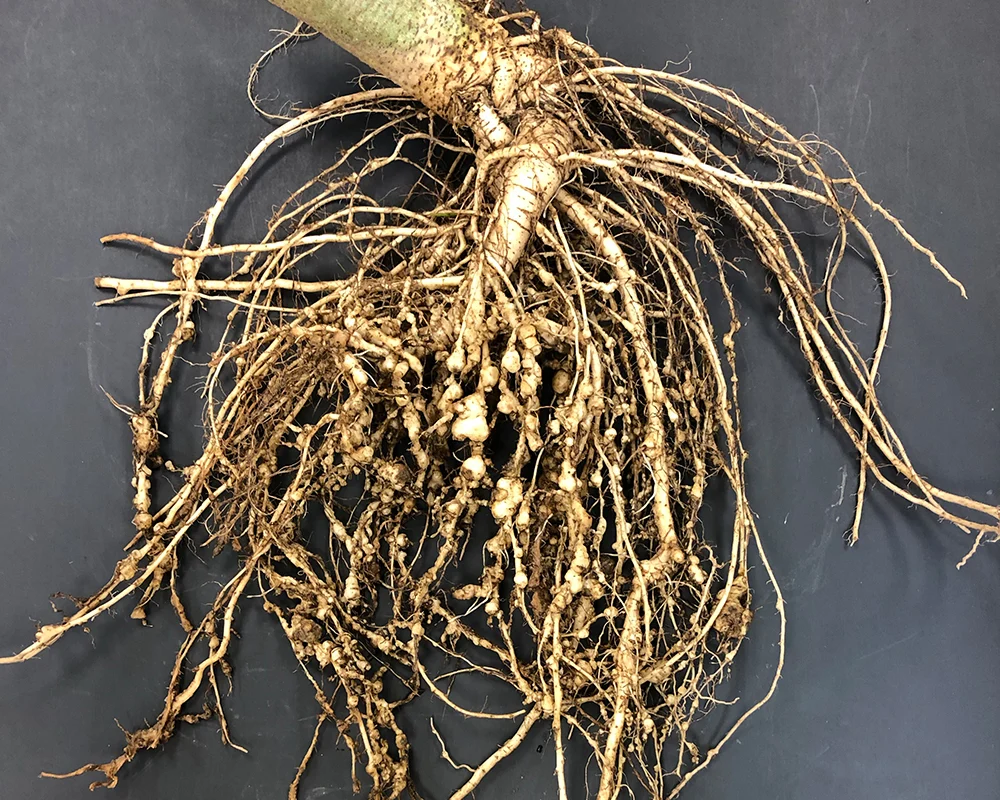
Rotate with non-host crops where practical, keep fields clean, use healthy planting material, and follow local nematode-management advice.
visibility
Paano Makikilala (How to Identify)
What Farmers Should Watch For: Look for stunted, yellowish plants with poor growth and swollen or knotted roots.
Conditions That Help the Pest/Disease Spread: More likely in sandy or well-drained soils and in fields where susceptible crops are grown repeatedly.
checklist
Ano ang Gagawin (What to Do)
What Farmers Should Do: Rotate with non-host crops where practical, keep fields clean, use healthy planting material, and follow local nematode-management advice.
How to Check the Field: Pull a few weak plants carefully and wash the roots to check for small swellings or galls.
warning
Possible Effect on the Crop
Damaged roots take up less water and nutrients, causing weak growth and reduced yield.
thermostat
Weather-Related Risk
Dry or well-drained soil conditions can favor problems in infested fields.
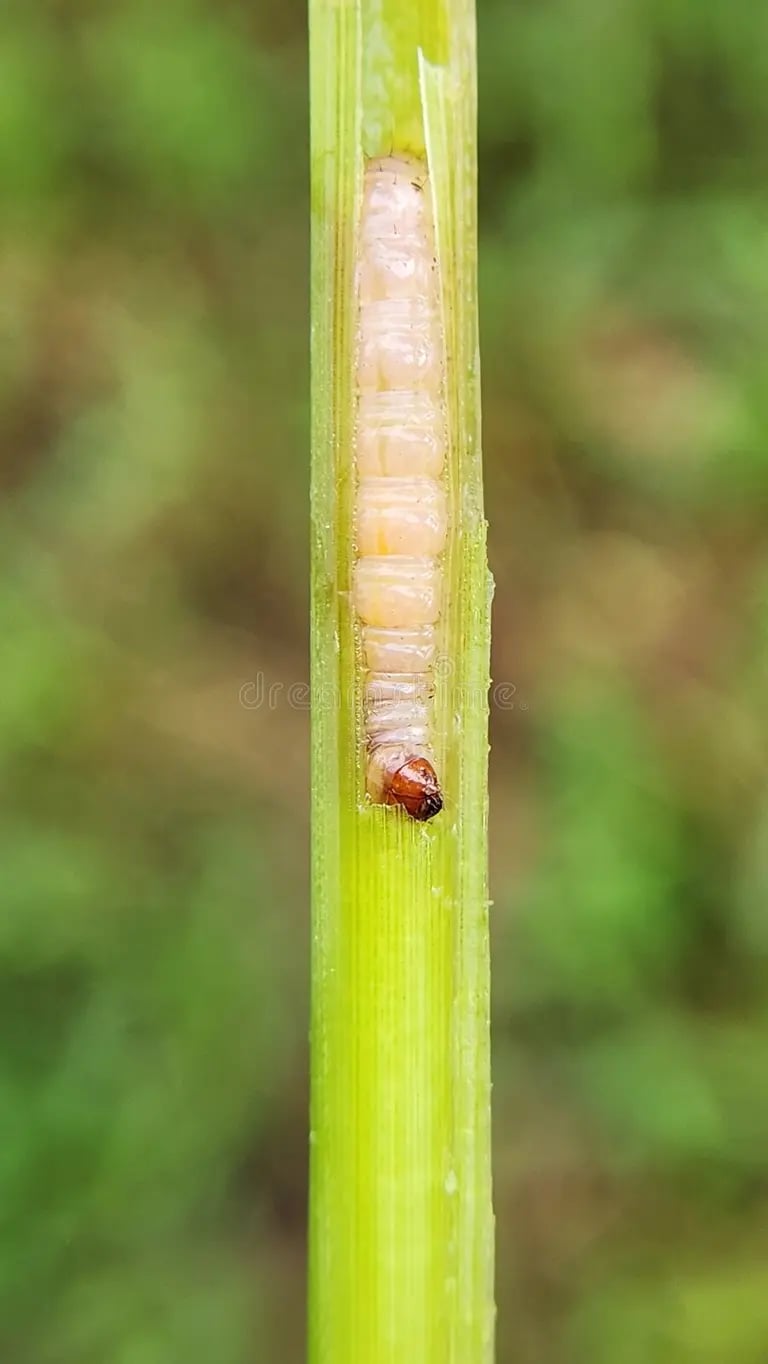
Plant at about the same time as nearby farms, remove or manage crop residues, conserve natural enemies, and follow IPM recommendations.
visibility
Paano Makikilala (How to Identify)
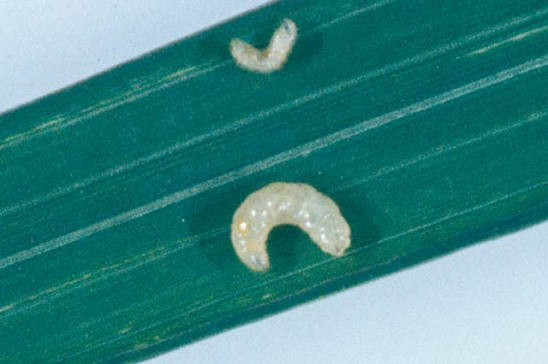
What Farmers Should Watch For: Look for dead central shoots during vegetative growth and white or empty panicles later in the season.
Conditions That Help the Pest/Disease Spread: Often attacks from tillering through flowering when moths and larvae are present in the field.
checklist
Ano ang Gagawin (What to Do)
What Farmers Should Do: Plant at about the same time as nearby farms, remove or manage crop residues, conserve natural enemies, and follow IPM recommendations.
How to Check the Field: Check damaged tillers and split suspicious stems to look for larvae or feeding tunnels.
warning
Possible Effect on the Crop
It can kill tillers, produce empty panicles, weaken plants, and reduce grain yield.
thermostat
Weather-Related Risk
Warm and humid conditions favor the pest; seasonal rains may also affect outbreaks.
Monitor fields closely during flowering and grain filling, keep field borders clean, and follow local IPM advice if populations become damaging.
visibility
Paano Makikilala (How to Identify)
What Farmers Should Watch For: Look for empty, shriveled, or discolored grains and bugs feeding on panicles.
Conditions That Help the Pest/Disease Spread: Most important from flowering to grain filling when soft developing grains are available.
checklist
Ano ang Gagawin (What to Do)
What Farmers Should Do: Monitor fields closely during flowering and grain filling, keep field borders clean, and follow local IPM advice if populations become damaging.
How to Check the Field: Inspect panicles early in the morning or late afternoon, especially around flowering and grain filling.
warning
Possible Effect on the Crop
Feeding can cause empty or poor-quality grains and lower market value.
thermostat
Weather-Related Risk
Warm weather during flowering and grain development can increase bug activity.
Scout regularly, remove weeds that may serve as hosts, conserve natural enemies, and follow local control advice when damage becomes severe.
visibility
Paano Makikilala (How to Identify)
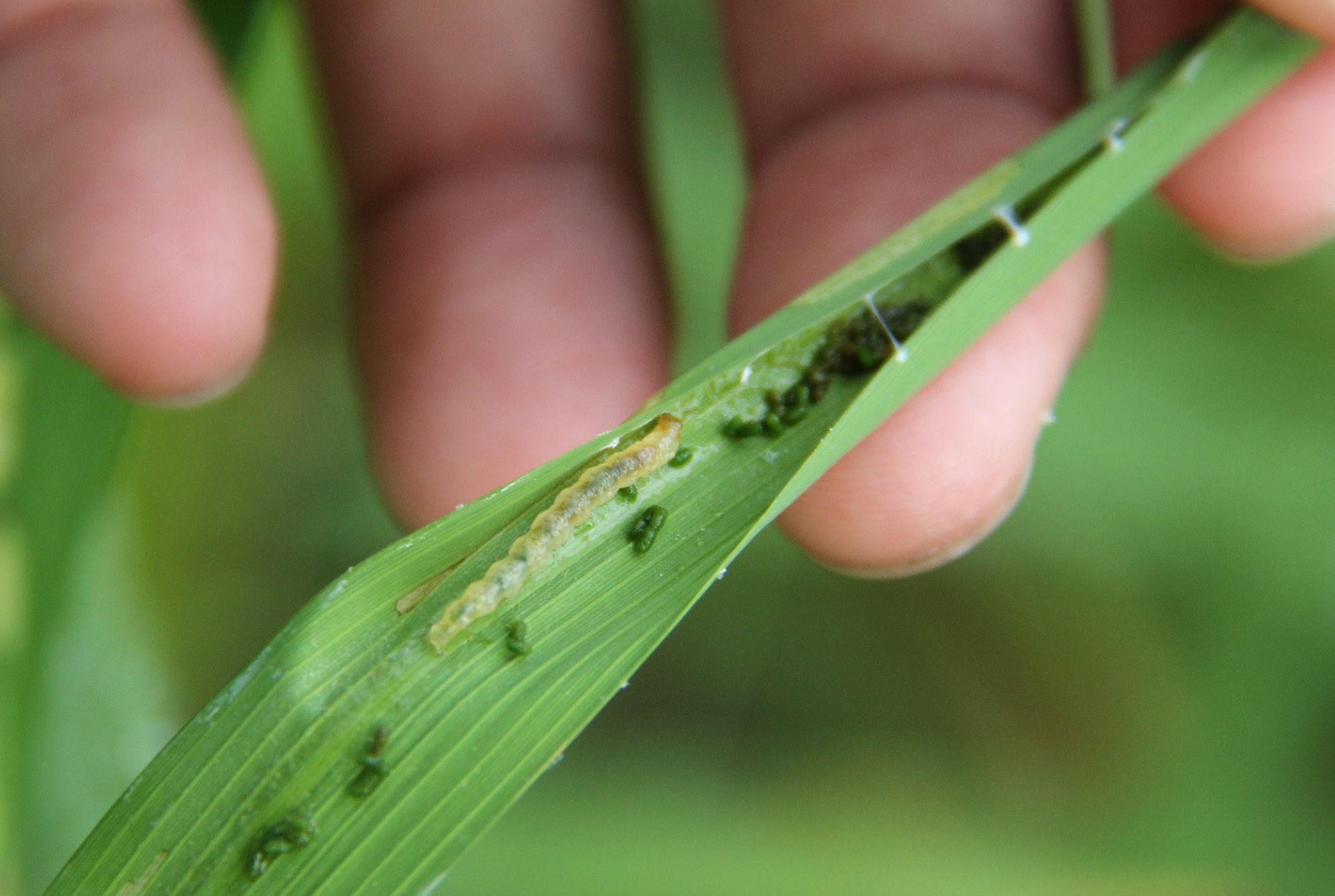
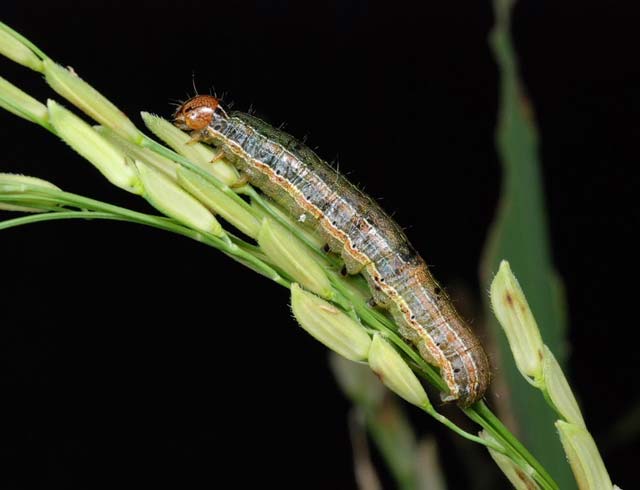
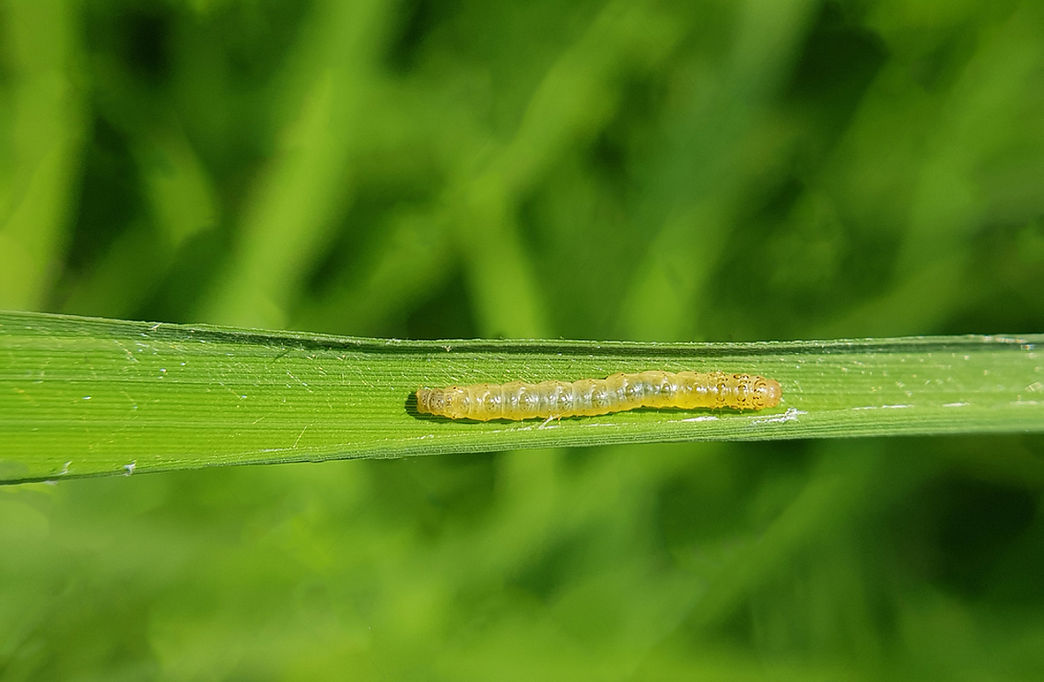
What Farmers Should Watch For: Look for leaves with large missing portions, many caterpillars, or plants that appear stripped.
Conditions That Help the Pest/Disease Spread: Can suddenly increase in young to vegetative rice, especially after long periods of cloudy or rainy weather.
checklist
Ano ang Gagawin (What to Do)
What Farmers Should Do: Scout regularly, remove weeds that may serve as hosts, conserve natural enemies, and follow local control advice when damage becomes severe.
How to Check the Field: Walk through the field and check damaged patches, lower leaves, and the soil surface for caterpillars.
warning
Possible Effect on the Crop
Severe feeding can remove much of the leaf area and slow or seriously damage crop growth.
thermostat
Weather-Related Risk
Cloudy, rainy periods can be linked with outbreaks.
Maintain field sanitation, avoid overly dense planting, keep plants from becoming severely drought-stressed, and follow local IPM advice.
visibility
Paano Makikilala (How to Identify)
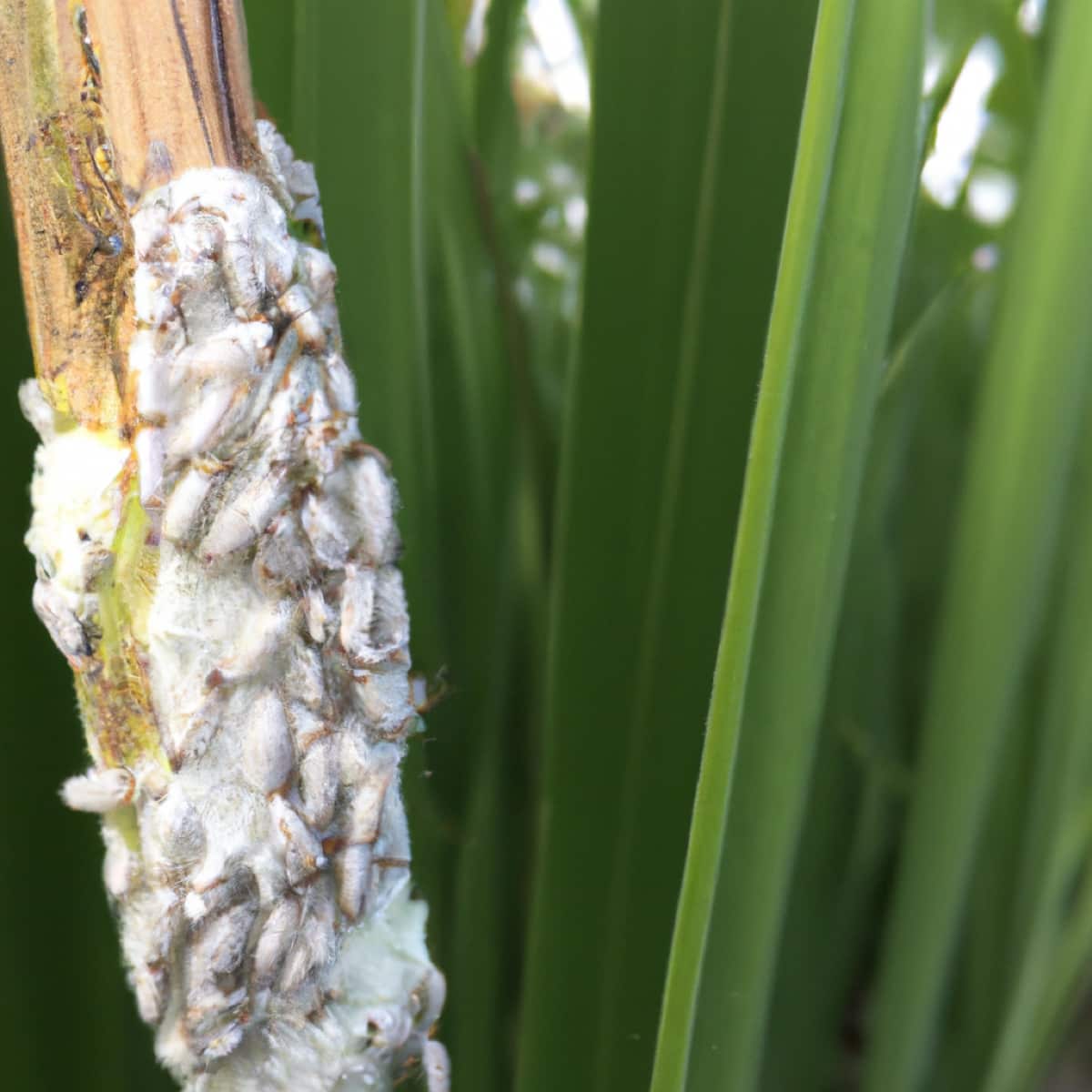
What Farmers Should Watch For: Look for white cotton-like insect clusters around stems and leaf sheaths, along with yellowing or stunted plants.
Conditions That Help the Pest/Disease Spread: More common in dry fields or dense rice stands where plants are under stress.
checklist
Ano ang Gagawin (What to Do)
What Farmers Should Do: Maintain field sanitation, avoid overly dense planting, keep plants from becoming severely drought-stressed, and follow local IPM advice.
How to Check the Field: Check the lower stems, leaf sheaths, and crowded parts of the field.
warning
Possible Effect on the Crop
Heavy feeding can stunt plants and reduce vigor and yield.
Avoid too much nitrogen fertilizer, use resistant varieties when available, keep checking the field, and follow local IPM advice when numbers become high.
visibility
Paano Makikilala (How to Identify)
What Farmers Should Watch For: Look for yellowing plants, brown or drying patches, and many small insects near the base of the plant.
Conditions That Help the Pest/Disease Spread: Usually becomes a problem in thick rice crops, especially when too much nitrogen fertilizer is used and insects are already present.
checklist
Ano ang Gagawin (What to Do)
What Farmers Should Do: Avoid too much nitrogen fertilizer, use resistant varieties when available, keep checking the field, and follow local IPM advice when numbers become high.
How to Check the Field: Check the lower stems and base of rice plants. Gently separate tillers and look for insects; a sweep net can also help.
warning
Possible Effect on the Crop
Heavy infestation can dry up patches of rice, reduce yield, and help spread some plant diseases.
thermostat
Weather-Related Risk
Warm, rainy, and humid weather can help populations increase quickly.
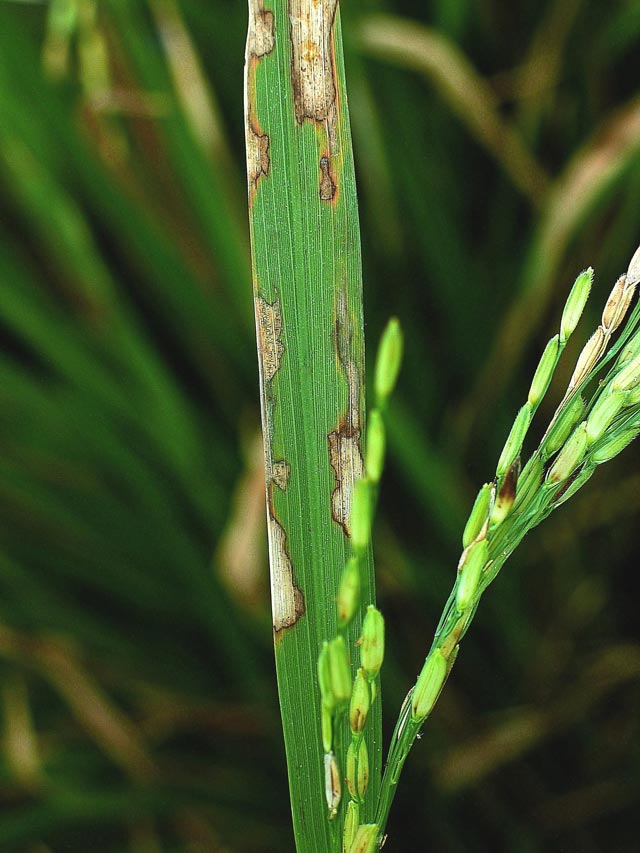
Use resistant varieties, avoid too much nitrogen fertilizer, keep proper spacing, and follow local disease-management advice.
visibility
Paano Makikilala (How to Identify)
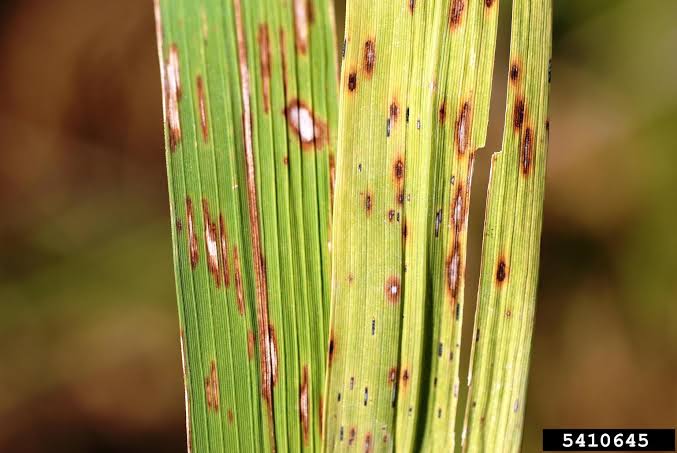
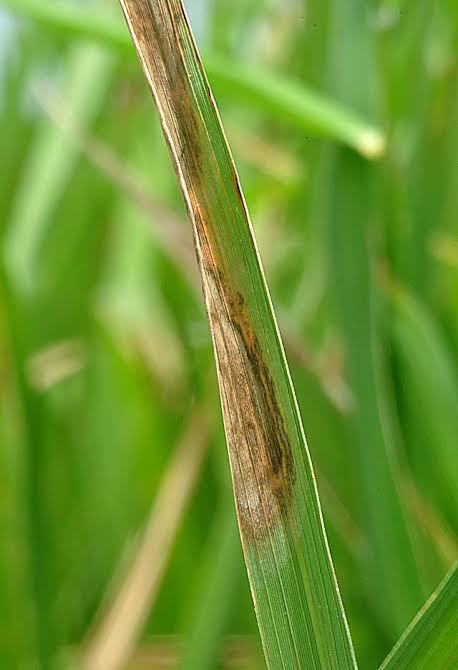
What Farmers Should Watch For: Look for diamond-shaped leaf spots with gray centers and brown edges; later, check for darkened panicle necks and white or empty panicles.
Conditions That Help the Pest/Disease Spread: Can occur from nursery to flowering, especially in susceptible varieties and lush crops.
checklist
Ano ang Gagawin (What to Do)
What Farmers Should Do: Use resistant varieties, avoid too much nitrogen fertilizer, keep proper spacing, and follow local disease-management advice.
How to Check the Field: Inspect leaves every week and check the panicle neck around heading and flowering.
warning
Possible Effect on the Crop
Severe leaf or neck blast can kill leaves or panicles and greatly reduce yield.
thermostat
Weather-Related Risk
Frequent rain, cloudy weather, high humidity, and long periods of wet leaves increase risk.
Improve drainage, avoid too much nitrogen fertilizer, use resistant varieties where available, and avoid unnecessary plant injury.
visibility
Paano Makikilala (How to Identify)
What Farmers Should Watch For: Look for yellowing and drying that starts from leaf tips or edges and moves downward.
Conditions That Help the Pest/Disease Spread: Often appears after strong winds, heavy rain, flooding, or when plants are injured.
checklist
Ano ang Gagawin (What to Do)
What Farmers Should Do: Improve drainage, avoid too much nitrogen fertilizer, use resistant varieties where available, and avoid unnecessary plant injury.
How to Check the Field: Inspect the field after storms or heavy rain, especially leaves with fresh yellow or water-soaked edges.
warning
Possible Effect on the Crop
The disease can spread quickly, dry large parts of the leaves, and reduce yield.
thermostat
Weather-Related Risk
Typhoons, strong winds, heavy rain, flooding, and standing water can increase spread.
Avoid overly dense planting and excessive nitrogen, maintain balanced fertilization, and follow local disease-management advice.
visibility
Paano Makikilala (How to Identify)
What Farmers Should Watch For: Look for oval or irregular gray-green lesions on leaf sheaths near the waterline that may spread upward.
Conditions That Help the Pest/Disease Spread: Often becomes serious in dense, lush rice with a thick canopy, especially from tillering to grain filling.
checklist
Ano ang Gagawin (What to Do)
What Farmers Should Do: Avoid overly dense planting and excessive nitrogen, maintain balanced fertilization, and follow local disease-management advice.
How to Check the Field: Check lower leaf sheaths and the inside of dense crop canopies where humidity stays high.
warning
Possible Effect on the Crop
Severe disease can damage leaves and sheaths, cause lodging, and reduce grain filling.
thermostat
Weather-Related Risk
High humidity, warm conditions, and dense wet canopies favor infection.
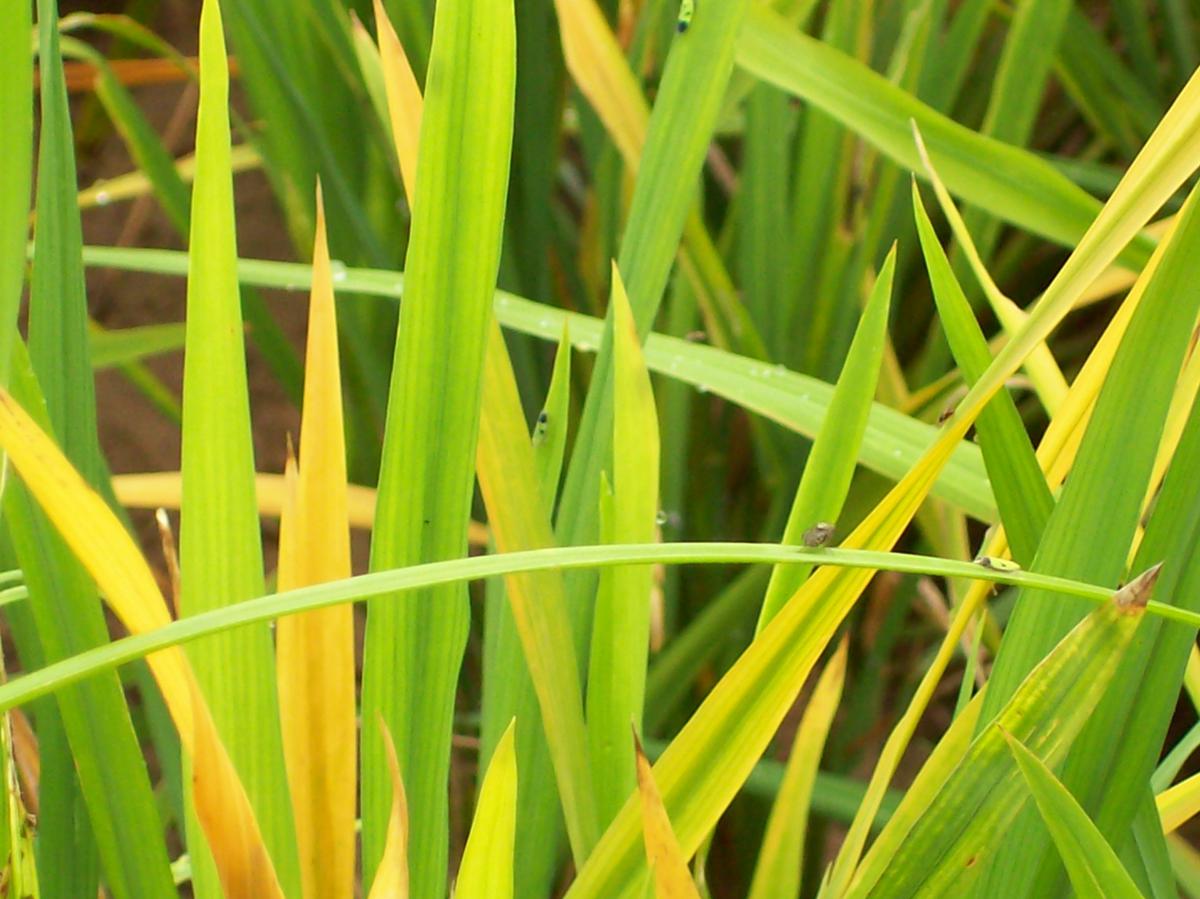
Use resistant varieties where available, remove infected plants when advised, manage green leafhopper vectors, and synchronize planting.
visibility
Paano Makikilala (How to Identify)
What Farmers Should Watch For: Look for orange-yellow leaf discoloration, stunting, fewer tillers, and poor plant growth.
Conditions That Help the Pest/Disease Spread: Most damaging when young rice is infected and green leafhoppers carrying the virus are present.
checklist
Ano ang Gagawin (What to Do)
What Farmers Should Do: Use resistant varieties where available, remove infected plants when advised, manage green leafhopper vectors, and synchronize planting.
How to Check the Field: Check young plants showing unusual yellow-orange color and monitor green leafhoppers in the same area.
warning
Possible Effect on the Crop
Early infection can severely stunt plants, reduce tillering, and cause major yield loss.
thermostat
Weather-Related Risk
Wet-season conditions can favor leafhopper activity and virus spread.
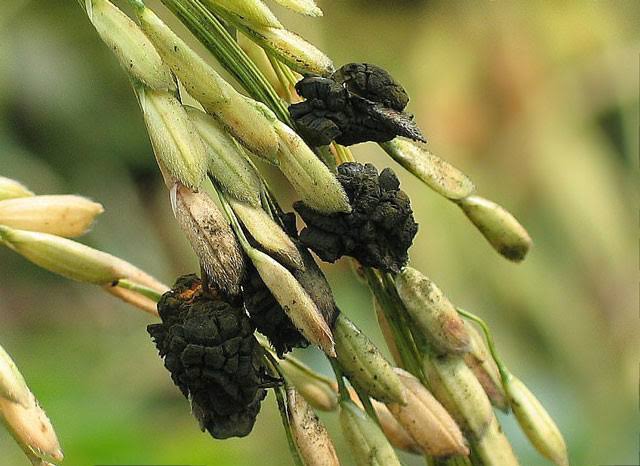
Avoid excessive nitrogen fertilizer, use clean seed and suitable varieties, and follow local disease-management recommendations.
visibility
Paano Makikilala (How to Identify)
What Farmers Should Watch For: Look for individual grains replaced by green, yellow-green, or dark smut balls.
Conditions That Help the Pest/Disease Spread: Usually shows up around flowering and grain development when conditions are wet and humid.
checklist
Ano ang Gagawin (What to Do)
What Farmers Should Do: Avoid excessive nitrogen fertilizer, use clean seed and suitable varieties, and follow local disease-management recommendations.
How to Check the Field: Inspect panicles closely from flowering through grain filling.
warning
Possible Effect on the Crop
Smut balls replace normal grains and can reduce grain quality and marketability.
thermostat
Weather-Related Risk
Wet, humid weather around flowering increases risk.
Keep the field clean, avoid unnecessary delays in harvest, manage insects and diseases that damage grains, and dry harvested grain properly.
visibility
Paano Makikilala (How to Identify)
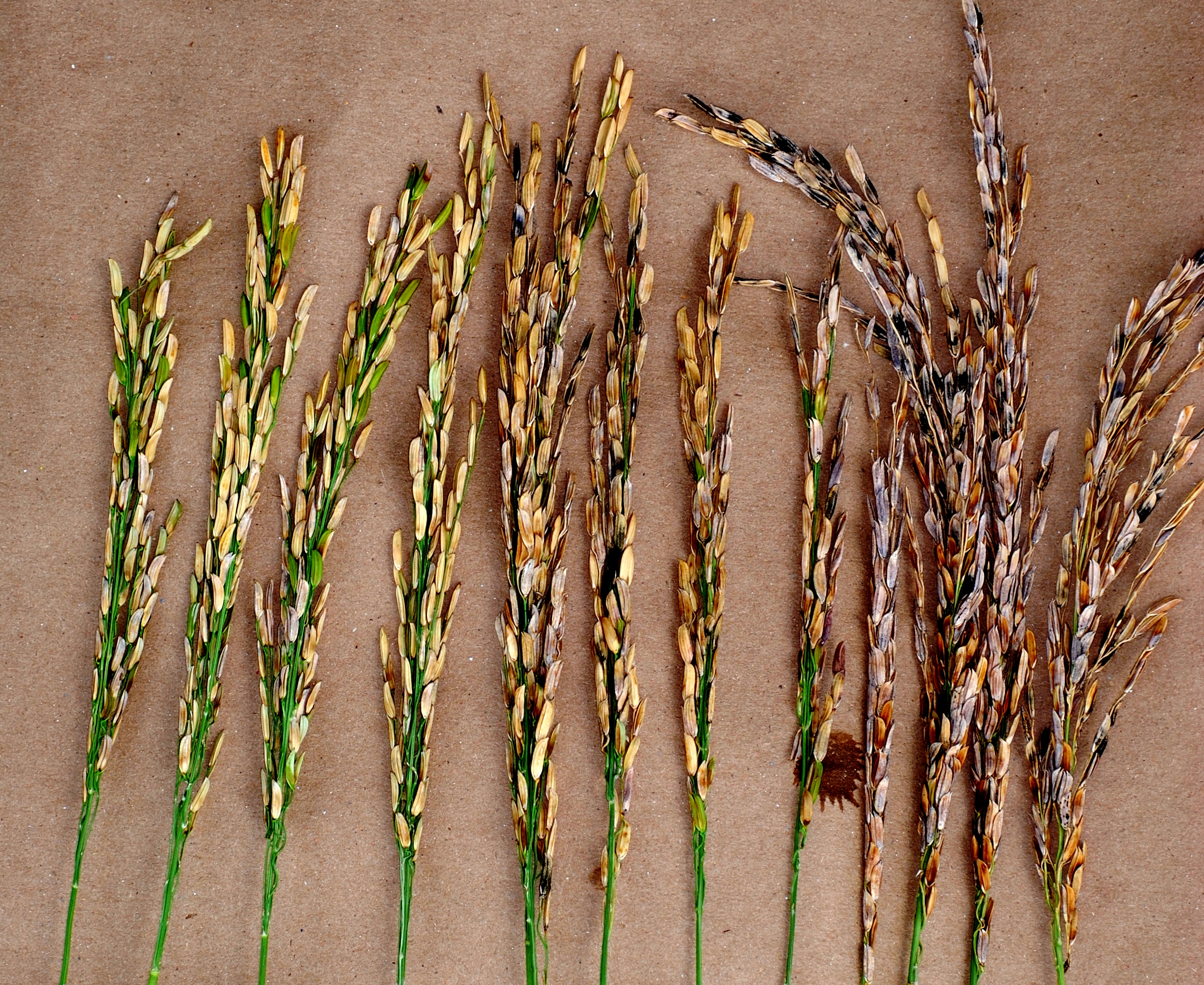
What Farmers Should Watch For: Look for grains and panicles with black, brown, or dirty-looking discoloration.
Conditions That Help the Pest/Disease Spread: Usually appears from flowering to maturity, especially when panicles stay wet for long periods.
checklist
Ano ang Gagawin (What to Do)
What Farmers Should Do: Keep the field clean, avoid unnecessary delays in harvest, manage insects and diseases that damage grains, and dry harvested grain properly.
How to Check the Field: Inspect panicles during grain filling and again before harvest, especially after rainy periods.
warning
Possible Effect on the Crop
Grains may become discolored, poorly filled, and lower in quality and market value.
thermostat
Weather-Related Risk
Frequent rain and high humidity during grain filling and maturity increase risk.
Use clean seed, suitable varieties, proper spacing, and follow local disease-management recommendations.
visibility
Paano Makikilala (How to Identify)
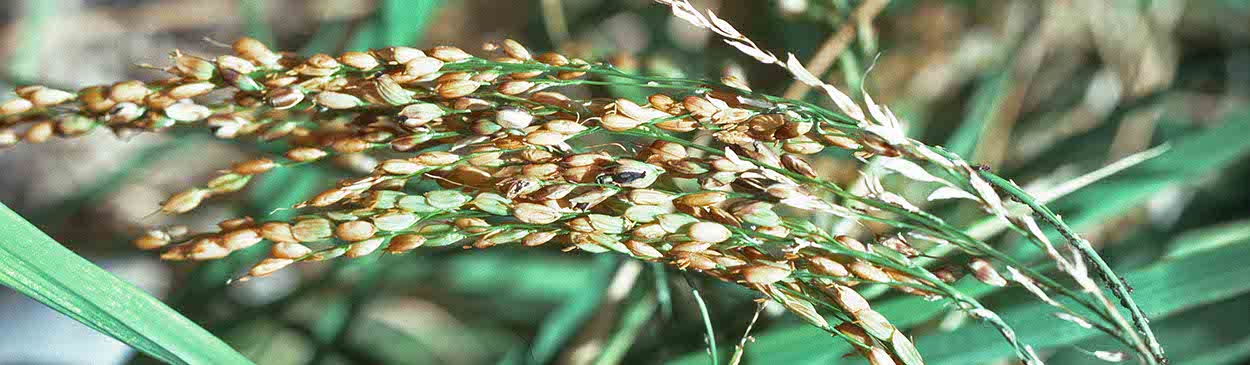
What Farmers Should Watch For: Look for some grains partly or fully replaced by black powdery material.
Conditions That Help the Pest/Disease Spread: Most noticeable during grain development and maturity after infection occurs around the reproductive stage.
checklist
Ano ang Gagawin (What to Do)
What Farmers Should Do: Use clean seed, suitable varieties, proper spacing, and follow local disease-management recommendations.
How to Check the Field: Inspect panicles closely during grain filling and before harvest.
warning
Possible Effect on the Crop
Affected grains lose quality and may reduce the marketability of harvested rice.
thermostat
Weather-Related Risk
Humid conditions during flowering and grain development can increase risk.
Monitor leafhopper numbers, use resistant varieties where available, remove badly infected plants when advised, and manage vectors using local IPM guidance.
visibility
Paano Makikilala (How to Identify)
What Farmers Should Watch For: Look for small green insects, yellowing or discolored leaves, weak plants, and possible Tungro-like symptoms.
Conditions That Help the Pest/Disease Spread: More likely when leafhoppers are present in young to actively growing rice, especially near infected plants or grassy hosts.
checklist
Ano ang Gagawin (What to Do)
What Farmers Should Do: Monitor leafhopper numbers, use resistant varieties where available, remove badly infected plants when advised, and manage vectors using local IPM guidance.
How to Check the Field: Check young leaves and sweep several parts of the field for green leafhoppers.
warning
Possible Effect on the Crop
Leafhoppers can weaken rice and may spread Tungro disease.
thermostat
Weather-Related Risk
Warm and wet conditions can favor leafhopper activity and increase virus spread.
#
Pest / Disease
Risk
Quick Action
Details
1
Golden Apple Snail
Land Preparation
Moderate
Collect snails and egg masses, manage water depth, use screens where practical, and follow local snail-management advice.
What Farmers Should Watch For: Look for missing or cut seedlings, large snails, and bright pink egg masses above the waterline.
Conditions That Help the Pest/Disease Spread: Most damaging in nurseries and newly planted fields where young seedlings are surrounded by shallow standing water.
checklist
Ano ang Gagawin (What to Do)
What Farmers Should Do: Collect snails and egg masses, manage water depth, use screens where practical, and follow local snail-management advice.
How to Check the Field: Check field edges, canals, bunds, and young seedlings, especially early in the morning.
warning
Possible Effect on the Crop
Snails can destroy many young seedlings and leave large gaps in the field.
thermostat
Weather-Related Risk
Flooded fields and standing water make it easier for snails to move and feed.
2
Rice Black Bug
Land Preparation
Moderate
Keep the field and nearby grassy areas clean, monitor regularly, and follow local control recommendations if numbers become damaging.
What Farmers Should Watch For: Look for wilting plants, yellowing, poor growth, and dark bugs with a strong unpleasant smell.
Conditions That Help the Pest/Disease Spread: Can appear from crop establishment to grain filling, especially where fields have grassy surroundings and black bugs are already present.
checklist
Ano ang Gagawin (What to Do)
What Farmers Should Do: Keep the field and nearby grassy areas clean, monitor regularly, and follow local control recommendations if numbers become damaging.
How to Check the Field: Inspect the base of plants, field edges, and grassy areas. Bugs may be easier to find at night or with light traps.
warning
Possible Effect on the Crop
Feeding can weaken plants and may reduce grain filling and yield.
thermostat
Weather-Related Risk
Dry periods can favor buildup and movement into rice fields.
3
Root Knot Nematode
Land Preparation
Moderate
Rotate with non-host crops where practical, keep fields clean, use healthy planting material, and follow local nematode-management advice.
What Farmers Should Watch For: Look for stunted, yellowish plants with poor growth and swollen or knotted roots.
Conditions That Help the Pest/Disease Spread: More likely in sandy or well-drained soils and in fields where susceptible crops are grown repeatedly.
checklist
Ano ang Gagawin (What to Do)
What Farmers Should Do: Rotate with non-host crops where practical, keep fields clean, use healthy planting material, and follow local nematode-management advice.
How to Check the Field: Pull a few weak plants carefully and wash the roots to check for small swellings or galls.
warning
Possible Effect on the Crop
Damaged roots take up less water and nutrients, causing weak growth and reduced yield.
thermostat
Weather-Related Risk
Dry or well-drained soil conditions can favor problems in infested fields.
4
Stem Borer
Land Preparation
Low
Plant at about the same time as nearby farms, remove or manage crop residues, conserve natural enemies, and follow IPM recommendations.
What Farmers Should Watch For: Look for dead central shoots during vegetative growth and white or empty panicles later in the season.
Conditions That Help the Pest/Disease Spread: Often attacks from tillering through flowering when moths and larvae are present in the field.
checklist
Ano ang Gagawin (What to Do)
What Farmers Should Do: Plant at about the same time as nearby farms, remove or manage crop residues, conserve natural enemies, and follow IPM recommendations.
How to Check the Field: Check damaged tillers and split suspicious stems to look for larvae or feeding tunnels.
warning
Possible Effect on the Crop
It can kill tillers, produce empty panicles, weaken plants, and reduce grain yield.
thermostat
Weather-Related Risk
Warm and humid conditions favor the pest; seasonal rains may also affect outbreaks.
5
Rice Bug
Land Preparation
Low
Monitor fields closely during flowering and grain filling, keep field borders clean, and follow local IPM advice if populations become damaging.
What Farmers Should Watch For: Look for empty, shriveled, or discolored grains and bugs feeding on panicles.
Conditions That Help the Pest/Disease Spread: Most important from flowering to grain filling when soft developing grains are available.
checklist
Ano ang Gagawin (What to Do)
What Farmers Should Do: Monitor fields closely during flowering and grain filling, keep field borders clean, and follow local IPM advice if populations become damaging.
How to Check the Field: Inspect panicles early in the morning or late afternoon, especially around flowering and grain filling.
warning
Possible Effect on the Crop
Feeding can cause empty or poor-quality grains and lower market value.
thermostat
Weather-Related Risk
Warm weather during flowering and grain development can increase bug activity.
6
Rice Leaf Folder
Land Preparation
Low
Avoid too much nitrogen fertilizer, conserve natural enemies, and use local IPM recommendations when damage becomes serious.
What Farmers Should Watch For: Look for leaves with large missing portions, many caterpillars, or plants that appear stripped.
Conditions That Help the Pest/Disease Spread: Can suddenly increase in young to vegetative rice, especially after long periods of cloudy or rainy weather.
checklist
Ano ang Gagawin (What to Do)
What Farmers Should Do: Scout regularly, remove weeds that may serve as hosts, conserve natural enemies, and follow local control advice when damage becomes severe.
How to Check the Field: Walk through the field and check damaged patches, lower leaves, and the soil surface for caterpillars.
warning
Possible Effect on the Crop
Severe feeding can remove much of the leaf area and slow or seriously damage crop growth.
thermostat
Weather-Related Risk
Cloudy, rainy periods can be linked with outbreaks.
8
Caseworm
Land Preparation
Low
Drain excess water for a short period when practical, manage weeds, and follow local IPM recommendations.
What Farmers Should Watch For: Look for white cotton-like insect clusters around stems and leaf sheaths, along with yellowing or stunted plants.
Conditions That Help the Pest/Disease Spread: More common in dry fields or dense rice stands where plants are under stress.
checklist
Ano ang Gagawin (What to Do)
What Farmers Should Do: Maintain field sanitation, avoid overly dense planting, keep plants from becoming severely drought-stressed, and follow local IPM advice.
How to Check the Field: Check the lower stems, leaf sheaths, and crowded parts of the field.
warning
Possible Effect on the Crop
Heavy feeding can stunt plants and reduce vigor and yield.
thermostat
Weather-Related Risk
Dry weather can increase infestation.
12
Brown Planthopper
Land Preparation
Low
Avoid too much nitrogen fertilizer, use resistant varieties when available, keep checking the field, and follow local IPM advice when numbers become high.
What Farmers Should Watch For: Look for yellowing plants, brown or drying patches, and many small insects near the base of the plant.
Conditions That Help the Pest/Disease Spread: Usually becomes a problem in thick rice crops, especially when too much nitrogen fertilizer is used and insects are already present.
checklist
Ano ang Gagawin (What to Do)
What Farmers Should Do: Avoid too much nitrogen fertilizer, use resistant varieties when available, keep checking the field, and follow local IPM advice when numbers become high.
How to Check the Field: Check the lower stems and base of rice plants. Gently separate tillers and look for insects; a sweep net can also help.
warning
Possible Effect on the Crop
Heavy infestation can dry up patches of rice, reduce yield, and help spread some plant diseases.
thermostat
Weather-Related Risk
Warm, rainy, and humid weather can help populations increase quickly.
13
Rice Gall Midge
Land Preparation
Low
Remove affected tillers when practical, synchronize planting with nearby farms, and follow local IPM advice.
What Farmers Should Watch For: Look for diamond-shaped leaf spots with gray centers and brown edges; later, check for darkened panicle necks and white or empty panicles.
Conditions That Help the Pest/Disease Spread: Can occur from nursery to flowering, especially in susceptible varieties and lush crops.
checklist
Ano ang Gagawin (What to Do)
What Farmers Should Do: Use resistant varieties, avoid too much nitrogen fertilizer, keep proper spacing, and follow local disease-management advice.
How to Check the Field: Inspect leaves every week and check the panicle neck around heading and flowering.
warning
Possible Effect on the Crop
Severe leaf or neck blast can kill leaves or panicles and greatly reduce yield.
thermostat
Weather-Related Risk
Frequent rain, cloudy weather, high humidity, and long periods of wet leaves increase risk.
15
Bacterial Leaf Blight
Land Preparation
Low
Improve drainage, avoid too much nitrogen fertilizer, use resistant varieties where available, and avoid unnecessary plant injury.
What Farmers Should Watch For: Look for yellowing and drying that starts from leaf tips or edges and moves downward.
Conditions That Help the Pest/Disease Spread: Often appears after strong winds, heavy rain, flooding, or when plants are injured.
checklist
Ano ang Gagawin (What to Do)
What Farmers Should Do: Improve drainage, avoid too much nitrogen fertilizer, use resistant varieties where available, and avoid unnecessary plant injury.
How to Check the Field: Inspect the field after storms or heavy rain, especially leaves with fresh yellow or water-soaked edges.
warning
Possible Effect on the Crop
The disease can spread quickly, dry large parts of the leaves, and reduce yield.
thermostat
Weather-Related Risk
Typhoons, strong winds, heavy rain, flooding, and standing water can increase spread.
16
Sheath Blight
Land Preparation
Low
Avoid overly dense planting and excessive nitrogen, maintain balanced fertilization, and follow local disease-management advice.
What Farmers Should Watch For: Look for oval or irregular gray-green lesions on leaf sheaths near the waterline that may spread upward.
Conditions That Help the Pest/Disease Spread: Often becomes serious in dense, lush rice with a thick canopy, especially from tillering to grain filling.
checklist
Ano ang Gagawin (What to Do)
What Farmers Should Do: Avoid overly dense planting and excessive nitrogen, maintain balanced fertilization, and follow local disease-management advice.
How to Check the Field: Check lower leaf sheaths and the inside of dense crop canopies where humidity stays high.
warning
Possible Effect on the Crop
Severe disease can damage leaves and sheaths, cause lodging, and reduce grain filling.
thermostat
Weather-Related Risk
High humidity, warm conditions, and dense wet canopies favor infection.
17
Tungro Virus
Land Preparation
Low
Use resistant varieties where available, remove infected plants when advised, manage green leafhopper vectors, and synchronize planting.
What Farmers Should Watch For: Look for orange-yellow leaf discoloration, stunting, fewer tillers, and poor plant growth.
Conditions That Help the Pest/Disease Spread: Most damaging when young rice is infected and green leafhoppers carrying the virus are present.
checklist
Ano ang Gagawin (What to Do)
What Farmers Should Do: Use resistant varieties where available, remove infected plants when advised, manage green leafhopper vectors, and synchronize planting.
How to Check the Field: Check young plants showing unusual yellow-orange color and monitor green leafhoppers in the same area.
warning
Possible Effect on the Crop
Early infection can severely stunt plants, reduce tillering, and cause major yield loss.
thermostat
Weather-Related Risk
Wet-season conditions can favor leafhopper activity and virus spread.
18
False Smut
Land Preparation
Low
Avoid excessive nitrogen fertilizer, use clean seed and suitable varieties, and follow local disease-management recommendations.
What Farmers Should Watch For: Look for individual grains replaced by green, yellow-green, or dark smut balls.
Conditions That Help the Pest/Disease Spread: Usually shows up around flowering and grain development when conditions are wet and humid.
checklist
Ano ang Gagawin (What to Do)
What Farmers Should Do: Avoid excessive nitrogen fertilizer, use clean seed and suitable varieties, and follow local disease-management recommendations.
How to Check the Field: Inspect panicles closely from flowering through grain filling.
warning
Possible Effect on the Crop
Smut balls replace normal grains and can reduce grain quality and marketability.
thermostat
Weather-Related Risk
Wet, humid weather around flowering increases risk.
19
Bakanae Disease
Land Preparation
Low
Use certified clean seed, follow recommended seed treatment, remove infected seedlings, and keep nursery practices clean.
What Farmers Should Watch For: Look for grains and panicles with black, brown, or dirty-looking discoloration.
Conditions That Help the Pest/Disease Spread: Usually appears from flowering to maturity, especially when panicles stay wet for long periods.
checklist
Ano ang Gagawin (What to Do)
What Farmers Should Do: Keep the field clean, avoid unnecessary delays in harvest, manage insects and diseases that damage grains, and dry harvested grain properly.
How to Check the Field: Inspect panicles during grain filling and again before harvest, especially after rainy periods.
warning
Possible Effect on the Crop
Grains may become discolored, poorly filled, and lower in quality and market value.
thermostat
Weather-Related Risk
Frequent rain and high humidity during grain filling and maturity increase risk.
22
Kernel Smut
Land Preparation
Low
Use clean seed, suitable varieties, proper spacing, and follow local disease-management recommendations.
What Farmers Should Watch For: Look for some grains partly or fully replaced by black powdery material.
Conditions That Help the Pest/Disease Spread: Most noticeable during grain development and maturity after infection occurs around the reproductive stage.
checklist
Ano ang Gagawin (What to Do)
What Farmers Should Do: Use clean seed, suitable varieties, proper spacing, and follow local disease-management recommendations.
How to Check the Field: Inspect panicles closely during grain filling and before harvest.
warning
Possible Effect on the Crop
Affected grains lose quality and may reduce the marketability of harvested rice.
thermostat
Weather-Related Risk
Humid conditions during flowering and grain development can increase risk.
23
Leaf Scald
Land Preparation
Low
Maintain balanced fertilization, reduce crop stress, and use locally recommended disease-management practices.
What Farmers Should Watch For: Look for yellowing leaves, weak or stunted plants, and small planthoppers around the lower part of the plant.
Conditions That Help the Pest/Disease Spread: Often increases in thick, closely planted rice with plenty of soft new growth.
checklist
Ano ang Gagawin (What to Do)
What Farmers Should Do: Avoid too much fertilizer, keep plant spacing reasonable, monitor insect numbers, and protect helpful insects.
How to Check the Field: Inspect several hills across the field, especially the plant bases and lower leaves.
warning
Possible Effect on the Crop
Large populations can weaken plants and cause serious damage if left unchecked.
thermostat
Weather-Related Risk
Humid and rainy conditions can favor population buildup.
26
Green Leafhopper
Land Preparation
Low
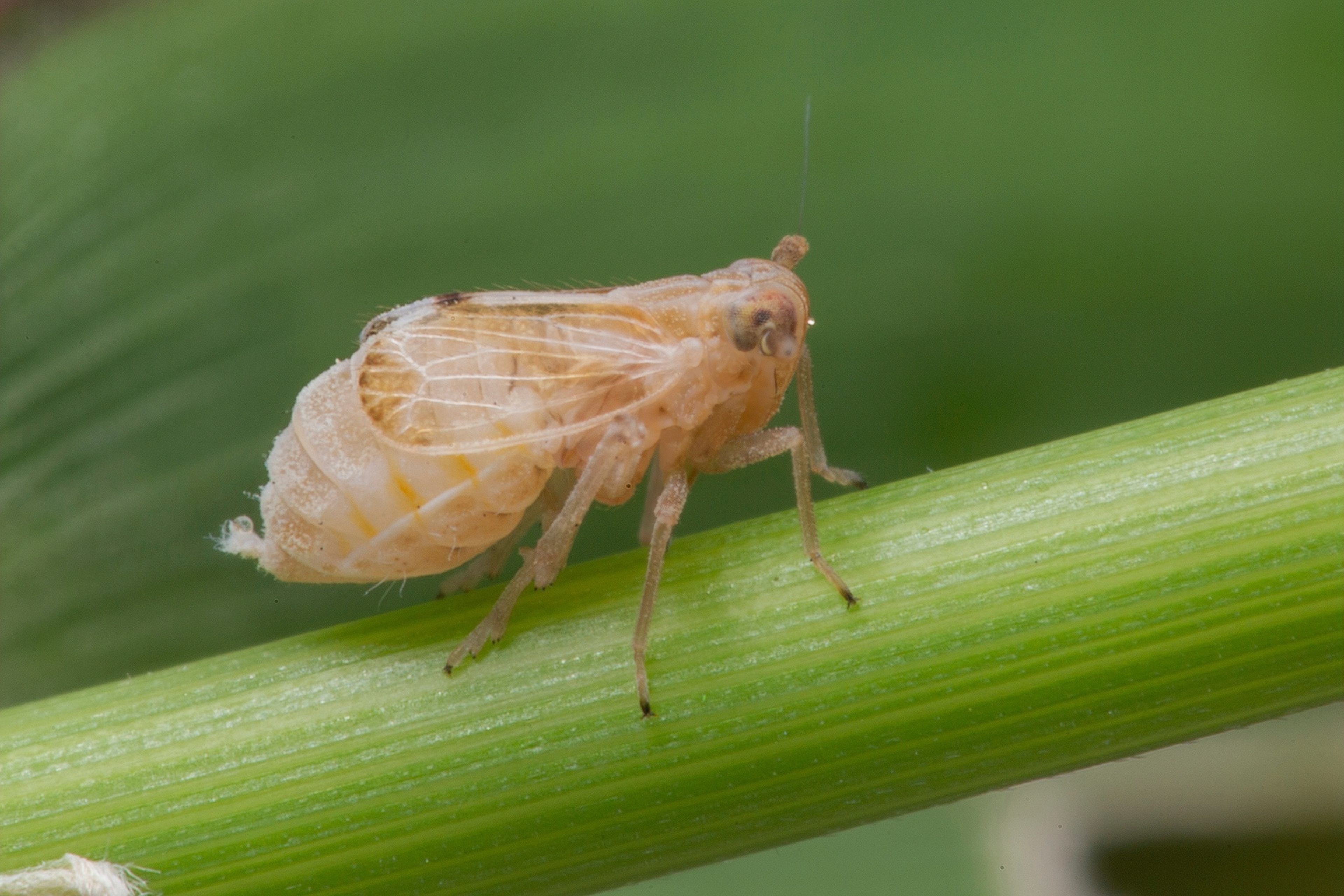
Monitor leafhopper numbers, use resistant varieties where available, remove badly infected plants when advised, and manage vectors using local IPM guidance.
What Farmers Should Watch For: Look for small green insects, yellowing or discolored leaves, weak plants, and possible Tungro-like symptoms.
Conditions That Help the Pest/Disease Spread: More likely when leafhoppers are present in young to actively growing rice, especially near infected plants or grassy hosts.
checklist
Ano ang Gagawin (What to Do)
What Farmers Should Do: Monitor leafhopper numbers, use resistant varieties where available, remove badly infected plants when advised, and manage vectors using local IPM guidance.
How to Check the Field: Check young leaves and sweep several parts of the field for green leafhoppers.
warning
Possible Effect on the Crop
Leafhoppers can weaken rice and may spread Tungro disease.
thermostat
Weather-Related Risk
Warm and wet conditions can favor leafhopper activity and increase virus spread.
info
Use the arrows to browse photos, or click a photo to enlarge. Rows are sorted from highest to lowest risk.
Collect snails and egg masses, manage water depth, use screens where practical, and follow local snail-management advice.
visibility
Paano Makikilala (How to Identify)
What Farmers Should Watch For: Look for missing or cut seedlings, large snails, and bright pink egg masses above the waterline.
Conditions That Help the Pest/Disease Spread: Most damaging in nurseries and newly planted fields where young seedlings are surrounded by shallow standing water.
checklist
Ano ang Gagawin (What to Do)
What Farmers Should Do: Collect snails and egg masses, manage water depth, use screens where practical, and follow local snail-management advice.
How to Check the Field: Check field edges, canals, bunds, and young seedlings, especially early in the morning.
warning
Possible Effect on the Crop
Snails can destroy many young seedlings and leave large gaps in the field.
thermostat
Weather-Related Risk
Flooded fields and standing water make it easier for snails to move and feed.
Rotate with non-host crops where practical, keep fields clean, use healthy planting material, and follow local nematode-management advice.
visibility
Paano Makikilala (How to Identify)
What Farmers Should Watch For: Look for stunted, yellowish plants with poor growth and swollen or knotted roots.
Conditions That Help the Pest/Disease Spread: More likely in sandy or well-drained soils and in fields where susceptible crops are grown repeatedly.
checklist
Ano ang Gagawin (What to Do)
What Farmers Should Do: Rotate with non-host crops where practical, keep fields clean, use healthy planting material, and follow local nematode-management advice.
How to Check the Field: Pull a few weak plants carefully and wash the roots to check for small swellings or galls.
warning
Possible Effect on the Crop
Damaged roots take up less water and nutrients, causing weak growth and reduced yield.
thermostat
Weather-Related Risk
Dry or well-drained soil conditions can favor problems in infested fields.
Use resistant varieties, avoid too much nitrogen fertilizer, keep proper spacing, and follow local disease-management advice.
visibility
Paano Makikilala (How to Identify)
What Farmers Should Watch For: Look for diamond-shaped leaf spots with gray centers and brown edges; later, check for darkened panicle necks and white or empty panicles.
Conditions That Help the Pest/Disease Spread: Can occur from nursery to flowering, especially in susceptible varieties and lush crops.
checklist
Ano ang Gagawin (What to Do)
What Farmers Should Do: Use resistant varieties, avoid too much nitrogen fertilizer, keep proper spacing, and follow local disease-management advice.
How to Check the Field: Inspect leaves every week and check the panicle neck around heading and flowering.
warning
Possible Effect on the Crop
Severe leaf or neck blast can kill leaves or panicles and greatly reduce yield.
thermostat
Weather-Related Risk
Frequent rain, cloudy weather, high humidity, and long periods of wet leaves increase risk.
Monitor leafhopper numbers, use resistant varieties where available, remove badly infected plants when advised, and manage vectors using local IPM guidance.
visibility
Paano Makikilala (How to Identify)
What Farmers Should Watch For: Look for small green insects, yellowing or discolored leaves, weak plants, and possible Tungro-like symptoms.
Conditions That Help the Pest/Disease Spread: More likely when leafhoppers are present in young to actively growing rice, especially near infected plants or grassy hosts.
checklist
Ano ang Gagawin (What to Do)
What Farmers Should Do: Monitor leafhopper numbers, use resistant varieties where available, remove badly infected plants when advised, and manage vectors using local IPM guidance.
How to Check the Field: Check young leaves and sweep several parts of the field for green leafhoppers.
warning
Possible Effect on the Crop
Leafhoppers can weaken rice and may spread Tungro disease.
thermostat
Weather-Related Risk
Warm and wet conditions can favor leafhopper activity and increase virus spread.
Keep the field and nearby grassy areas clean, monitor regularly, and follow local control recommendations if numbers become damaging.
visibility
Paano Makikilala (How to Identify)
What Farmers Should Watch For: Look for wilting plants, yellowing, poor growth, and dark bugs with a strong unpleasant smell.
Conditions That Help the Pest/Disease Spread: Can appear from crop establishment to grain filling, especially where fields have grassy surroundings and black bugs are already present.
checklist
Ano ang Gagawin (What to Do)
What Farmers Should Do: Keep the field and nearby grassy areas clean, monitor regularly, and follow local control recommendations if numbers become damaging.
How to Check the Field: Inspect the base of plants, field edges, and grassy areas. Bugs may be easier to find at night or with light traps.
warning
Possible Effect on the Crop
Feeding can weaken plants and may reduce grain filling and yield.
thermostat
Weather-Related Risk
Dry periods can favor buildup and movement into rice fields.
Scout regularly, remove weeds that may serve as hosts, conserve natural enemies, and follow local control advice when damage becomes severe.
visibility
Paano Makikilala (How to Identify)
What Farmers Should Watch For: Look for leaves with large missing portions, many caterpillars, or plants that appear stripped.
Conditions That Help the Pest/Disease Spread: Can suddenly increase in young to vegetative rice, especially after long periods of cloudy or rainy weather.
checklist
Ano ang Gagawin (What to Do)
What Farmers Should Do: Scout regularly, remove weeds that may serve as hosts, conserve natural enemies, and follow local control advice when damage becomes severe.
How to Check the Field: Walk through the field and check damaged patches, lower leaves, and the soil surface for caterpillars.
warning
Possible Effect on the Crop
Severe feeding can remove much of the leaf area and slow or seriously damage crop growth.
thermostat
Weather-Related Risk
Cloudy, rainy periods can be linked with outbreaks.
Improve drainage, avoid too much nitrogen fertilizer, use resistant varieties where available, and avoid unnecessary plant injury.
visibility
Paano Makikilala (How to Identify)
What Farmers Should Watch For: Look for yellowing and drying that starts from leaf tips or edges and moves downward.
Conditions That Help the Pest/Disease Spread: Often appears after strong winds, heavy rain, flooding, or when plants are injured.
checklist
Ano ang Gagawin (What to Do)
What Farmers Should Do: Improve drainage, avoid too much nitrogen fertilizer, use resistant varieties where available, and avoid unnecessary plant injury.
How to Check the Field: Inspect the field after storms or heavy rain, especially leaves with fresh yellow or water-soaked edges.
warning
Possible Effect on the Crop
The disease can spread quickly, dry large parts of the leaves, and reduce yield.
thermostat
Weather-Related Risk
Typhoons, strong winds, heavy rain, flooding, and standing water can increase spread.
Use resistant varieties where available, remove infected plants when advised, manage green leafhopper vectors, and synchronize planting.
visibility
Paano Makikilala (How to Identify)
What Farmers Should Watch For: Look for orange-yellow leaf discoloration, stunting, fewer tillers, and poor plant growth.
Conditions That Help the Pest/Disease Spread: Most damaging when young rice is infected and green leafhoppers carrying the virus are present.
checklist
Ano ang Gagawin (What to Do)
What Farmers Should Do: Use resistant varieties where available, remove infected plants when advised, manage green leafhopper vectors, and synchronize planting.
How to Check the Field: Check young plants showing unusual yellow-orange color and monitor green leafhoppers in the same area.
warning
Possible Effect on the Crop
Early infection can severely stunt plants, reduce tillering, and cause major yield loss.
thermostat
Weather-Related Risk
Wet-season conditions can favor leafhopper activity and virus spread.
Use clean seed, suitable varieties, proper spacing, and follow local disease-management recommendations.
visibility
Paano Makikilala (How to Identify)
What Farmers Should Watch For: Look for some grains partly or fully replaced by black powdery material.
Conditions That Help the Pest/Disease Spread: Most noticeable during grain development and maturity after infection occurs around the reproductive stage.
checklist
Ano ang Gagawin (What to Do)
What Farmers Should Do: Use clean seed, suitable varieties, proper spacing, and follow local disease-management recommendations.
How to Check the Field: Inspect panicles closely during grain filling and before harvest.
warning
Possible Effect on the Crop
Affected grains lose quality and may reduce the marketability of harvested rice.
thermostat
Weather-Related Risk
Humid conditions during flowering and grain development can increase risk.
Avoid overly dense planting and excessive nitrogen, maintain balanced fertilization, and follow local disease-management advice.
visibility
Paano Makikilala (How to Identify)
What Farmers Should Watch For: Look for oval or irregular gray-green lesions on leaf sheaths near the waterline that may spread upward.
Conditions That Help the Pest/Disease Spread: Often becomes serious in dense, lush rice with a thick canopy, especially from tillering to grain filling.
checklist
Ano ang Gagawin (What to Do)
What Farmers Should Do: Avoid overly dense planting and excessive nitrogen, maintain balanced fertilization, and follow local disease-management advice.
How to Check the Field: Check lower leaf sheaths and the inside of dense crop canopies where humidity stays high.
warning
Possible Effect on the Crop
Severe disease can damage leaves and sheaths, cause lodging, and reduce grain filling.
thermostat
Weather-Related Risk
High humidity, warm conditions, and dense wet canopies favor infection.
Avoid excessive nitrogen fertilizer, use clean seed and suitable varieties, and follow local disease-management recommendations.
visibility
Paano Makikilala (How to Identify)
What Farmers Should Watch For: Look for individual grains replaced by green, yellow-green, or dark smut balls.
Conditions That Help the Pest/Disease Spread: Usually shows up around flowering and grain development when conditions are wet and humid.
checklist
Ano ang Gagawin (What to Do)
What Farmers Should Do: Avoid excessive nitrogen fertilizer, use clean seed and suitable varieties, and follow local disease-management recommendations.
How to Check the Field: Inspect panicles closely from flowering through grain filling.
warning
Possible Effect on the Crop
Smut balls replace normal grains and can reduce grain quality and marketability.
thermostat
Weather-Related Risk
Wet, humid weather around flowering increases risk.
Plant at about the same time as nearby farms, remove or manage crop residues, conserve natural enemies, and follow IPM recommendations.
visibility
Paano Makikilala (How to Identify)
What Farmers Should Watch For: Look for dead central shoots during vegetative growth and white or empty panicles later in the season.
Conditions That Help the Pest/Disease Spread: Often attacks from tillering through flowering when moths and larvae are present in the field.
checklist
Ano ang Gagawin (What to Do)
What Farmers Should Do: Plant at about the same time as nearby farms, remove or manage crop residues, conserve natural enemies, and follow IPM recommendations.
How to Check the Field: Check damaged tillers and split suspicious stems to look for larvae or feeding tunnels.
warning
Possible Effect on the Crop
It can kill tillers, produce empty panicles, weaken plants, and reduce grain yield.
thermostat
Weather-Related Risk
Warm and humid conditions favor the pest; seasonal rains may also affect outbreaks.
Maintain field sanitation, avoid overly dense planting, keep plants from becoming severely drought-stressed, and follow local IPM advice.
visibility
Paano Makikilala (How to Identify)
What Farmers Should Watch For: Look for white cotton-like insect clusters around stems and leaf sheaths, along with yellowing or stunted plants.
Conditions That Help the Pest/Disease Spread: More common in dry fields or dense rice stands where plants are under stress.
checklist
Ano ang Gagawin (What to Do)
What Farmers Should Do: Maintain field sanitation, avoid overly dense planting, keep plants from becoming severely drought-stressed, and follow local IPM advice.
How to Check the Field: Check the lower stems, leaf sheaths, and crowded parts of the field.
warning
Possible Effect on the Crop
Heavy feeding can stunt plants and reduce vigor and yield.
Avoid too much nitrogen fertilizer, use resistant varieties when available, keep checking the field, and follow local IPM advice when numbers become high.
visibility
Paano Makikilala (How to Identify)
What Farmers Should Watch For: Look for yellowing plants, brown or drying patches, and many small insects near the base of the plant.
Conditions That Help the Pest/Disease Spread: Usually becomes a problem in thick rice crops, especially when too much nitrogen fertilizer is used and insects are already present.
checklist
Ano ang Gagawin (What to Do)
What Farmers Should Do: Avoid too much nitrogen fertilizer, use resistant varieties when available, keep checking the field, and follow local IPM advice when numbers become high.
How to Check the Field: Check the lower stems and base of rice plants. Gently separate tillers and look for insects; a sweep net can also help.
warning
Possible Effect on the Crop
Heavy infestation can dry up patches of rice, reduce yield, and help spread some plant diseases.
thermostat
Weather-Related Risk
Warm, rainy, and humid weather can help populations increase quickly.
Keep the field clean, avoid unnecessary delays in harvest, manage insects and diseases that damage grains, and dry harvested grain properly.
visibility
Paano Makikilala (How to Identify)
What Farmers Should Watch For: Look for grains and panicles with black, brown, or dirty-looking discoloration.
Conditions That Help the Pest/Disease Spread: Usually appears from flowering to maturity, especially when panicles stay wet for long periods.
checklist
Ano ang Gagawin (What to Do)
What Farmers Should Do: Keep the field clean, avoid unnecessary delays in harvest, manage insects and diseases that damage grains, and dry harvested grain properly.
How to Check the Field: Inspect panicles during grain filling and again before harvest, especially after rainy periods.
warning
Possible Effect on the Crop
Grains may become discolored, poorly filled, and lower in quality and market value.
thermostat
Weather-Related Risk
Frequent rain and high humidity during grain filling and maturity increase risk.
Monitor fields closely during flowering and grain filling, keep field borders clean, and follow local IPM advice if populations become damaging.
visibility
Paano Makikilala (How to Identify)
What Farmers Should Watch For: Look for empty, shriveled, or discolored grains and bugs feeding on panicles.
Conditions That Help the Pest/Disease Spread: Most important from flowering to grain filling when soft developing grains are available.
checklist
Ano ang Gagawin (What to Do)
What Farmers Should Do: Monitor fields closely during flowering and grain filling, keep field borders clean, and follow local IPM advice if populations become damaging.
How to Check the Field: Inspect panicles early in the morning or late afternoon, especially around flowering and grain filling.
warning
Possible Effect on the Crop
Feeding can cause empty or poor-quality grains and lower market value.
thermostat
Weather-Related Risk
Warm weather during flowering and grain development can increase bug activity.
#
Pest / Disease
Risk
Quick Action
Details
1
Golden Apple Snail
Nursery
Very High
Collect snails and egg masses, manage water depth, use screens where practical, and follow local snail-management advice.
What Farmers Should Watch For: Look for missing or cut seedlings, large snails, and bright pink egg masses above the waterline.
Conditions That Help the Pest/Disease Spread: Most damaging in nurseries and newly planted fields where young seedlings are surrounded by shallow standing water.
checklist
Ano ang Gagawin (What to Do)
What Farmers Should Do: Collect snails and egg masses, manage water depth, use screens where practical, and follow local snail-management advice.
How to Check the Field: Check field edges, canals, bunds, and young seedlings, especially early in the morning.
warning
Possible Effect on the Crop
Snails can destroy many young seedlings and leave large gaps in the field.
thermostat
Weather-Related Risk
Flooded fields and standing water make it easier for snails to move and feed.
2
Root Knot Nematode
Nursery
High
Rotate with non-host crops where practical, keep fields clean, use healthy planting material, and follow local nematode-management advice.
What Farmers Should Watch For: Look for stunted, yellowish plants with poor growth and swollen or knotted roots.
Conditions That Help the Pest/Disease Spread: More likely in sandy or well-drained soils and in fields where susceptible crops are grown repeatedly.
checklist
Ano ang Gagawin (What to Do)
What Farmers Should Do: Rotate with non-host crops where practical, keep fields clean, use healthy planting material, and follow local nematode-management advice.
How to Check the Field: Pull a few weak plants carefully and wash the roots to check for small swellings or galls.
warning
Possible Effect on the Crop
Damaged roots take up less water and nutrients, causing weak growth and reduced yield.
thermostat
Weather-Related Risk
Dry or well-drained soil conditions can favor problems in infested fields.
3
Rice Blast
Nursery
High
Use resistant varieties, avoid too much nitrogen fertilizer, keep proper spacing, and follow local disease-management advice.
What Farmers Should Watch For: Look for diamond-shaped leaf spots with gray centers and brown edges; later, check for darkened panicle necks and white or empty panicles.
Conditions That Help the Pest/Disease Spread: Can occur from nursery to flowering, especially in susceptible varieties and lush crops.
checklist
Ano ang Gagawin (What to Do)
What Farmers Should Do: Use resistant varieties, avoid too much nitrogen fertilizer, keep proper spacing, and follow local disease-management advice.
How to Check the Field: Inspect leaves every week and check the panicle neck around heading and flowering.
warning
Possible Effect on the Crop
Severe leaf or neck blast can kill leaves or panicles and greatly reduce yield.
thermostat
Weather-Related Risk
Frequent rain, cloudy weather, high humidity, and long periods of wet leaves increase risk.
4
Bakanae Disease
Nursery
High
Use certified clean seed, follow recommended seed treatment, remove infected seedlings, and keep nursery practices clean.
What Farmers Should Watch For: Look for hollow, silver-colored shoots that do not produce normal leaves or panicles.
Conditions That Help the Pest/Disease Spread: Most important during tillering, especially in wet-season fields where the pest is already present.
checklist
Ano ang Gagawin (What to Do)
What Farmers Should Do: Remove affected tillers when practical, synchronize planting with nearby farms, and follow local IPM advice.
How to Check the Field: Check tillers carefully and compare abnormal silver shoots with healthy tillers.
warning
Possible Effect on the Crop
Affected tillers do not produce normal panicles, reducing productive tillers and yield.
thermostat
Weather-Related Risk
Wet conditions and poorly drained fields can favor infestation.
9
Green Leafhopper
Nursery
Moderate
Monitor leafhopper numbers, use resistant varieties where available, remove badly infected plants when advised, and manage vectors using local IPM guidance.
What Farmers Should Watch For: Look for small green insects, yellowing or discolored leaves, weak plants, and possible Tungro-like symptoms.
Conditions That Help the Pest/Disease Spread: More likely when leafhoppers are present in young to actively growing rice, especially near infected plants or grassy hosts.
checklist
Ano ang Gagawin (What to Do)
What Farmers Should Do: Monitor leafhopper numbers, use resistant varieties where available, remove badly infected plants when advised, and manage vectors using local IPM guidance.
How to Check the Field: Check young leaves and sweep several parts of the field for green leafhoppers.
warning
Possible Effect on the Crop
Leafhoppers can weaken rice and may spread Tungro disease.
thermostat
Weather-Related Risk
Warm and wet conditions can favor leafhopper activity and increase virus spread.
10
Rice Black Bug
Nursery
Moderate
Keep the field and nearby grassy areas clean, monitor regularly, and follow local control recommendations if numbers become damaging.
What Farmers Should Watch For: Look for wilting plants, yellowing, poor growth, and dark bugs with a strong unpleasant smell.
Conditions That Help the Pest/Disease Spread: Can appear from crop establishment to grain filling, especially where fields have grassy surroundings and black bugs are already present.
checklist
Ano ang Gagawin (What to Do)
What Farmers Should Do: Keep the field and nearby grassy areas clean, monitor regularly, and follow local control recommendations if numbers become damaging.
How to Check the Field: Inspect the base of plants, field edges, and grassy areas. Bugs may be easier to find at night or with light traps.
warning
Possible Effect on the Crop
Feeding can weaken plants and may reduce grain filling and yield.
thermostat
Weather-Related Risk
Dry periods can favor buildup and movement into rice fields.
11
Rice Leaf Folder
Nursery
Moderate
Avoid too much nitrogen fertilizer, conserve natural enemies, and use local IPM recommendations when damage becomes serious.
What Farmers Should Watch For: Look for leaves with large missing portions, many caterpillars, or plants that appear stripped.
Conditions That Help the Pest/Disease Spread: Can suddenly increase in young to vegetative rice, especially after long periods of cloudy or rainy weather.
checklist
Ano ang Gagawin (What to Do)
What Farmers Should Do: Scout regularly, remove weeds that may serve as hosts, conserve natural enemies, and follow local control advice when damage becomes severe.
How to Check the Field: Walk through the field and check damaged patches, lower leaves, and the soil surface for caterpillars.
warning
Possible Effect on the Crop
Severe feeding can remove much of the leaf area and slow or seriously damage crop growth.
thermostat
Weather-Related Risk
Cloudy, rainy periods can be linked with outbreaks.
13
Rice Whorl Maggot
Nursery
Moderate
Maintain good water management and drainage when appropriate, keep fields clean, and follow local IPM guidance.
What Farmers Should Watch For: Look for yellowing and drying that starts from leaf tips or edges and moves downward.
Conditions That Help the Pest/Disease Spread: Often appears after strong winds, heavy rain, flooding, or when plants are injured.
checklist
Ano ang Gagawin (What to Do)
What Farmers Should Do: Improve drainage, avoid too much nitrogen fertilizer, use resistant varieties where available, and avoid unnecessary plant injury.
How to Check the Field: Inspect the field after storms or heavy rain, especially leaves with fresh yellow or water-soaked edges.
warning
Possible Effect on the Crop
The disease can spread quickly, dry large parts of the leaves, and reduce yield.
thermostat
Weather-Related Risk
Typhoons, strong winds, heavy rain, flooding, and standing water can increase spread.
15
Tungro Virus
Nursery
Moderate
Use resistant varieties where available, remove infected plants when advised, manage green leafhopper vectors, and synchronize planting.
What Farmers Should Watch For: Look for orange-yellow leaf discoloration, stunting, fewer tillers, and poor plant growth.
Conditions That Help the Pest/Disease Spread: Most damaging when young rice is infected and green leafhoppers carrying the virus are present.
checklist
Ano ang Gagawin (What to Do)
What Farmers Should Do: Use resistant varieties where available, remove infected plants when advised, manage green leafhopper vectors, and synchronize planting.
How to Check the Field: Check young plants showing unusual yellow-orange color and monitor green leafhoppers in the same area.
warning
Possible Effect on the Crop
Early infection can severely stunt plants, reduce tillering, and cause major yield loss.
thermostat
Weather-Related Risk
Wet-season conditions can favor leafhopper activity and virus spread.
16
Narrow Brown Leaf Spot
Nursery
Moderate
Improve balanced nutrient management, keep plants healthy, and follow local disease recommendations.
What Farmers Should Watch For: Look for some grains partly or fully replaced by black powdery material.
Conditions That Help the Pest/Disease Spread: Most noticeable during grain development and maturity after infection occurs around the reproductive stage.
checklist
Ano ang Gagawin (What to Do)
What Farmers Should Do: Use clean seed, suitable varieties, proper spacing, and follow local disease-management recommendations.
How to Check the Field: Inspect panicles closely during grain filling and before harvest.
warning
Possible Effect on the Crop
Affected grains lose quality and may reduce the marketability of harvested rice.
thermostat
Weather-Related Risk
Humid conditions during flowering and grain development can increase risk.
18
Sheath Blight
Nursery
Low
Avoid overly dense planting and excessive nitrogen, maintain balanced fertilization, and follow local disease-management advice.
What Farmers Should Watch For: Look for oval or irregular gray-green lesions on leaf sheaths near the waterline that may spread upward.
Conditions That Help the Pest/Disease Spread: Often becomes serious in dense, lush rice with a thick canopy, especially from tillering to grain filling.
checklist
Ano ang Gagawin (What to Do)
What Farmers Should Do: Avoid overly dense planting and excessive nitrogen, maintain balanced fertilization, and follow local disease-management advice.
How to Check the Field: Check lower leaf sheaths and the inside of dense crop canopies where humidity stays high.
warning
Possible Effect on the Crop
Severe disease can damage leaves and sheaths, cause lodging, and reduce grain filling.
thermostat
Weather-Related Risk
High humidity, warm conditions, and dense wet canopies favor infection.
19
Leaf Scald
Nursery
Low
Maintain balanced fertilization, reduce crop stress, and use locally recommended disease-management practices.
What Farmers Should Watch For: Look for individual grains replaced by green, yellow-green, or dark smut balls.
Conditions That Help the Pest/Disease Spread: Usually shows up around flowering and grain development when conditions are wet and humid.
checklist
Ano ang Gagawin (What to Do)
What Farmers Should Do: Avoid excessive nitrogen fertilizer, use clean seed and suitable varieties, and follow local disease-management recommendations.
How to Check the Field: Inspect panicles closely from flowering through grain filling.
warning
Possible Effect on the Crop
Smut balls replace normal grains and can reduce grain quality and marketability.
thermostat
Weather-Related Risk
Wet, humid weather around flowering increases risk.
21
Stem Borer
Nursery
Low
Plant at about the same time as nearby farms, remove or manage crop residues, conserve natural enemies, and follow IPM recommendations.
What Farmers Should Watch For: Look for dead central shoots during vegetative growth and white or empty panicles later in the season.
Conditions That Help the Pest/Disease Spread: Often attacks from tillering through flowering when moths and larvae are present in the field.
checklist
Ano ang Gagawin (What to Do)
What Farmers Should Do: Plant at about the same time as nearby farms, remove or manage crop residues, conserve natural enemies, and follow IPM recommendations.
How to Check the Field: Check damaged tillers and split suspicious stems to look for larvae or feeding tunnels.
warning
Possible Effect on the Crop
It can kill tillers, produce empty panicles, weaken plants, and reduce grain yield.
thermostat
Weather-Related Risk
Warm and humid conditions favor the pest; seasonal rains may also affect outbreaks.
22
Whitebacked Planthopper
Nursery
Low
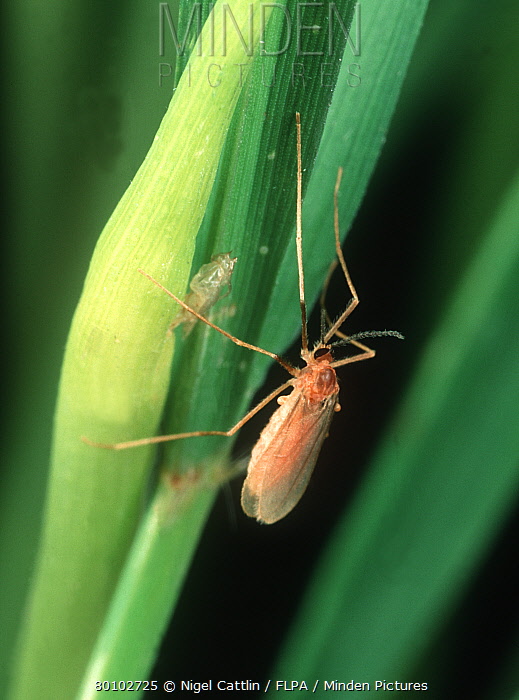
Avoid too much fertilizer, keep plant spacing reasonable, monitor insect numbers, and protect helpful insects.
What Farmers Should Watch For: Look for white cotton-like insect clusters around stems and leaf sheaths, along with yellowing or stunted plants.
Conditions That Help the Pest/Disease Spread: More common in dry fields or dense rice stands where plants are under stress.
checklist
Ano ang Gagawin (What to Do)
What Farmers Should Do: Maintain field sanitation, avoid overly dense planting, keep plants from becoming severely drought-stressed, and follow local IPM advice.
How to Check the Field: Check the lower stems, leaf sheaths, and crowded parts of the field.
warning
Possible Effect on the Crop
Heavy feeding can stunt plants and reduce vigor and yield.
thermostat
Weather-Related Risk
Dry weather can increase infestation.
24
Brown Planthopper
Nursery
Low
Avoid too much nitrogen fertilizer, use resistant varieties when available, keep checking the field, and follow local IPM advice when numbers become high.
What Farmers Should Watch For: Look for yellowing plants, brown or drying patches, and many small insects near the base of the plant.
Conditions That Help the Pest/Disease Spread: Usually becomes a problem in thick rice crops, especially when too much nitrogen fertilizer is used and insects are already present.
checklist
Ano ang Gagawin (What to Do)
What Farmers Should Do: Avoid too much nitrogen fertilizer, use resistant varieties when available, keep checking the field, and follow local IPM advice when numbers become high.
How to Check the Field: Check the lower stems and base of rice plants. Gently separate tillers and look for insects; a sweep net can also help.
warning
Possible Effect on the Crop
Heavy infestation can dry up patches of rice, reduce yield, and help spread some plant diseases.
thermostat
Weather-Related Risk
Warm, rainy, and humid weather can help populations increase quickly.
25
Dirty Panicle
Nursery
Low
Keep the field clean, avoid unnecessary delays in harvest, manage insects and diseases that damage grains, and dry harvested grain properly.
What Farmers Should Watch For: Look for grains and panicles with black, brown, or dirty-looking discoloration.
Conditions That Help the Pest/Disease Spread: Usually appears from flowering to maturity, especially when panicles stay wet for long periods.
checklist
Ano ang Gagawin (What to Do)
What Farmers Should Do: Keep the field clean, avoid unnecessary delays in harvest, manage insects and diseases that damage grains, and dry harvested grain properly.
How to Check the Field: Inspect panicles during grain filling and again before harvest, especially after rainy periods.
warning
Possible Effect on the Crop
Grains may become discolored, poorly filled, and lower in quality and market value.
thermostat
Weather-Related Risk
Frequent rain and high humidity during grain filling and maturity increase risk.
26
Rice Bug
Nursery
Low
Monitor fields closely during flowering and grain filling, keep field borders clean, and follow local IPM advice if populations become damaging.
What Farmers Should Watch For: Look for empty, shriveled, or discolored grains and bugs feeding on panicles.
Conditions That Help the Pest/Disease Spread: Most important from flowering to grain filling when soft developing grains are available.
checklist
Ano ang Gagawin (What to Do)
What Farmers Should Do: Monitor fields closely during flowering and grain filling, keep field borders clean, and follow local IPM advice if populations become damaging.
How to Check the Field: Inspect panicles early in the morning or late afternoon, especially around flowering and grain filling.
warning
Possible Effect on the Crop
Feeding can cause empty or poor-quality grains and lower market value.
thermostat
Weather-Related Risk
Warm weather during flowering and grain development can increase bug activity.
info
Use the arrows to browse photos, or click a photo to enlarge. Rows are sorted from highest to lowest risk.
agriculture
Recommended Activities
Transplant healthy seedlings or perform direct seeding
water_drop
Water Management
Maintain shallow water level (1-2 cm)
eco
Fertilizer Management
Apply basal NPK fertilizer during planting
bug_report
Pest Management
Monitor golden apple snail and stem borer
thermostat
Climate Considerations
Avoid transplanting during heavy rains or flooding
warning
Risk Alerts
Poor crop establishment due to flooding or drought stress
pest_control
Pest & Disease Watch — Transplanting
Field photos and actions, ranked from highest to lowest risk.
Photo sources
Severity:Very HighHighModerateLowRed = worst · Green = lowest
Collect snails and egg masses, manage water depth, use screens where practical, and follow local snail-management advice.
visibility
Paano Makikilala (How to Identify)
What Farmers Should Watch For: Look for missing or cut seedlings, large snails, and bright pink egg masses above the waterline.
Conditions That Help the Pest/Disease Spread: Most damaging in nurseries and newly planted fields where young seedlings are surrounded by shallow standing water.
checklist
Ano ang Gagawin (What to Do)
What Farmers Should Do: Collect snails and egg masses, manage water depth, use screens where practical, and follow local snail-management advice.
How to Check the Field: Check field edges, canals, bunds, and young seedlings, especially early in the morning.
warning
Possible Effect on the Crop
Snails can destroy many young seedlings and leave large gaps in the field.
thermostat
Weather-Related Risk
Flooded fields and standing water make it easier for snails to move and feed.
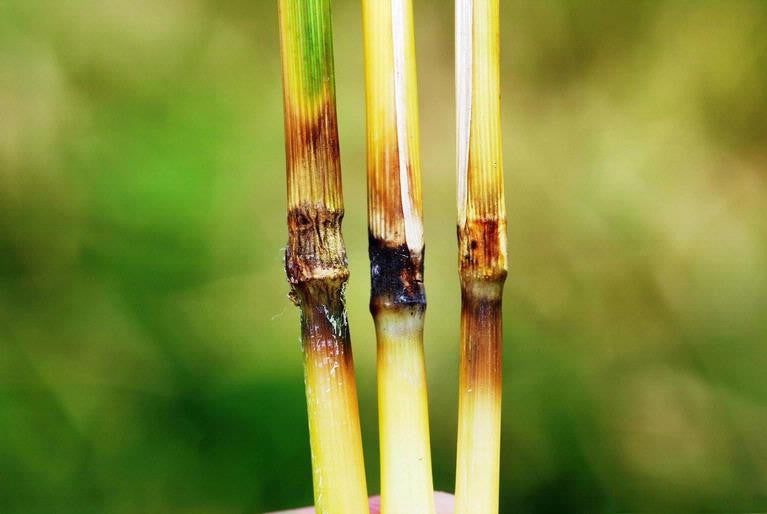
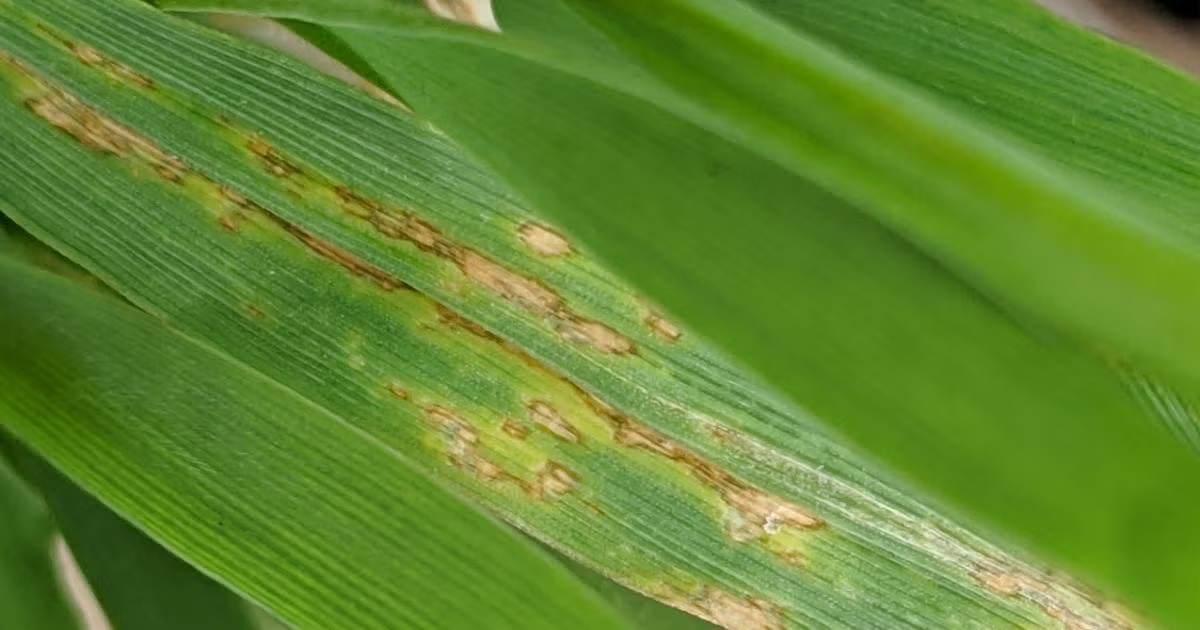
Use resistant varieties, avoid too much nitrogen fertilizer, keep proper spacing, and follow local disease-management advice.
visibility
Paano Makikilala (How to Identify)
What Farmers Should Watch For: Look for diamond-shaped leaf spots with gray centers and brown edges; later, check for darkened panicle necks and white or empty panicles.
Conditions That Help the Pest/Disease Spread: Can occur from nursery to flowering, especially in susceptible varieties and lush crops.
checklist
Ano ang Gagawin (What to Do)
What Farmers Should Do: Use resistant varieties, avoid too much nitrogen fertilizer, keep proper spacing, and follow local disease-management advice.
How to Check the Field: Inspect leaves every week and check the panicle neck around heading and flowering.
warning
Possible Effect on the Crop
Severe leaf or neck blast can kill leaves or panicles and greatly reduce yield.
thermostat
Weather-Related Risk
Frequent rain, cloudy weather, high humidity, and long periods of wet leaves increase risk.
Keep the field and nearby grassy areas clean, monitor regularly, and follow local control recommendations if numbers become damaging.
visibility
Paano Makikilala (How to Identify)
What Farmers Should Watch For: Look for wilting plants, yellowing, poor growth, and dark bugs with a strong unpleasant smell.
Conditions That Help the Pest/Disease Spread: Can appear from crop establishment to grain filling, especially where fields have grassy surroundings and black bugs are already present.
checklist
Ano ang Gagawin (What to Do)
What Farmers Should Do: Keep the field and nearby grassy areas clean, monitor regularly, and follow local control recommendations if numbers become damaging.
How to Check the Field: Inspect the base of plants, field edges, and grassy areas. Bugs may be easier to find at night or with light traps.
warning
Possible Effect on the Crop
Feeding can weaken plants and may reduce grain filling and yield.
thermostat
Weather-Related Risk
Dry periods can favor buildup and movement into rice fields.
Scout regularly, remove weeds that may serve as hosts, conserve natural enemies, and follow local control advice when damage becomes severe.
visibility
Paano Makikilala (How to Identify)
What Farmers Should Watch For: Look for leaves with large missing portions, many caterpillars, or plants that appear stripped.
Conditions That Help the Pest/Disease Spread: Can suddenly increase in young to vegetative rice, especially after long periods of cloudy or rainy weather.
checklist
Ano ang Gagawin (What to Do)
What Farmers Should Do: Scout regularly, remove weeds that may serve as hosts, conserve natural enemies, and follow local control advice when damage becomes severe.
How to Check the Field: Walk through the field and check damaged patches, lower leaves, and the soil surface for caterpillars.
warning
Possible Effect on the Crop
Severe feeding can remove much of the leaf area and slow or seriously damage crop growth.
thermostat
Weather-Related Risk
Cloudy, rainy periods can be linked with outbreaks.
Rotate with non-host crops where practical, keep fields clean, use healthy planting material, and follow local nematode-management advice.
visibility
Paano Makikilala (How to Identify)
What Farmers Should Watch For: Look for stunted, yellowish plants with poor growth and swollen or knotted roots.
Conditions That Help the Pest/Disease Spread: More likely in sandy or well-drained soils and in fields where susceptible crops are grown repeatedly.
checklist
Ano ang Gagawin (What to Do)
What Farmers Should Do: Rotate with non-host crops where practical, keep fields clean, use healthy planting material, and follow local nematode-management advice.
How to Check the Field: Pull a few weak plants carefully and wash the roots to check for small swellings or galls.
warning
Possible Effect on the Crop
Damaged roots take up less water and nutrients, causing weak growth and reduced yield.
thermostat
Weather-Related Risk
Dry or well-drained soil conditions can favor problems in infested fields.
Use resistant varieties where available, remove infected plants when advised, manage green leafhopper vectors, and synchronize planting.
visibility
Paano Makikilala (How to Identify)
What Farmers Should Watch For: Look for orange-yellow leaf discoloration, stunting, fewer tillers, and poor plant growth.
Conditions That Help the Pest/Disease Spread: Most damaging when young rice is infected and green leafhoppers carrying the virus are present.
checklist
Ano ang Gagawin (What to Do)
What Farmers Should Do: Use resistant varieties where available, remove infected plants when advised, manage green leafhopper vectors, and synchronize planting.
How to Check the Field: Check young plants showing unusual yellow-orange color and monitor green leafhoppers in the same area.
warning
Possible Effect on the Crop
Early infection can severely stunt plants, reduce tillering, and cause major yield loss.
thermostat
Weather-Related Risk
Wet-season conditions can favor leafhopper activity and virus spread.
Monitor leafhopper numbers, use resistant varieties where available, remove badly infected plants when advised, and manage vectors using local IPM guidance.
visibility
Paano Makikilala (How to Identify)
What Farmers Should Watch For: Look for small green insects, yellowing or discolored leaves, weak plants, and possible Tungro-like symptoms.
Conditions That Help the Pest/Disease Spread: More likely when leafhoppers are present in young to actively growing rice, especially near infected plants or grassy hosts.
checklist
Ano ang Gagawin (What to Do)
What Farmers Should Do: Monitor leafhopper numbers, use resistant varieties where available, remove badly infected plants when advised, and manage vectors using local IPM guidance.
How to Check the Field: Check young leaves and sweep several parts of the field for green leafhoppers.
warning
Possible Effect on the Crop
Leafhoppers can weaken rice and may spread Tungro disease.
thermostat
Weather-Related Risk
Warm and wet conditions can favor leafhopper activity and increase virus spread.
Plant at about the same time as nearby farms, remove or manage crop residues, conserve natural enemies, and follow IPM recommendations.
visibility
Paano Makikilala (How to Identify)
What Farmers Should Watch For: Look for dead central shoots during vegetative growth and white or empty panicles later in the season.
Conditions That Help the Pest/Disease Spread: Often attacks from tillering through flowering when moths and larvae are present in the field.
checklist
Ano ang Gagawin (What to Do)
What Farmers Should Do: Plant at about the same time as nearby farms, remove or manage crop residues, conserve natural enemies, and follow IPM recommendations.
How to Check the Field: Check damaged tillers and split suspicious stems to look for larvae or feeding tunnels.
warning
Possible Effect on the Crop
It can kill tillers, produce empty panicles, weaken plants, and reduce grain yield.
thermostat
Weather-Related Risk
Warm and humid conditions favor the pest; seasonal rains may also affect outbreaks.
Maintain field sanitation, avoid overly dense planting, keep plants from becoming severely drought-stressed, and follow local IPM advice.
visibility
Paano Makikilala (How to Identify)
What Farmers Should Watch For: Look for white cotton-like insect clusters around stems and leaf sheaths, along with yellowing or stunted plants.
Conditions That Help the Pest/Disease Spread: More common in dry fields or dense rice stands where plants are under stress.
checklist
Ano ang Gagawin (What to Do)
What Farmers Should Do: Maintain field sanitation, avoid overly dense planting, keep plants from becoming severely drought-stressed, and follow local IPM advice.
How to Check the Field: Check the lower stems, leaf sheaths, and crowded parts of the field.
warning
Possible Effect on the Crop
Heavy feeding can stunt plants and reduce vigor and yield.
Improve drainage, avoid too much nitrogen fertilizer, use resistant varieties where available, and avoid unnecessary plant injury.
visibility
Paano Makikilala (How to Identify)
What Farmers Should Watch For: Look for yellowing and drying that starts from leaf tips or edges and moves downward.
Conditions That Help the Pest/Disease Spread: Often appears after strong winds, heavy rain, flooding, or when plants are injured.
checklist
Ano ang Gagawin (What to Do)
What Farmers Should Do: Improve drainage, avoid too much nitrogen fertilizer, use resistant varieties where available, and avoid unnecessary plant injury.
How to Check the Field: Inspect the field after storms or heavy rain, especially leaves with fresh yellow or water-soaked edges.
warning
Possible Effect on the Crop
The disease can spread quickly, dry large parts of the leaves, and reduce yield.
thermostat
Weather-Related Risk
Typhoons, strong winds, heavy rain, flooding, and standing water can increase spread.
Avoid overly dense planting and excessive nitrogen, maintain balanced fertilization, and follow local disease-management advice.
visibility
Paano Makikilala (How to Identify)
What Farmers Should Watch For: Look for oval or irregular gray-green lesions on leaf sheaths near the waterline that may spread upward.
Conditions That Help the Pest/Disease Spread: Often becomes serious in dense, lush rice with a thick canopy, especially from tillering to grain filling.
checklist
Ano ang Gagawin (What to Do)
What Farmers Should Do: Avoid overly dense planting and excessive nitrogen, maintain balanced fertilization, and follow local disease-management advice.
How to Check the Field: Check lower leaf sheaths and the inside of dense crop canopies where humidity stays high.
warning
Possible Effect on the Crop
Severe disease can damage leaves and sheaths, cause lodging, and reduce grain filling.
thermostat
Weather-Related Risk
High humidity, warm conditions, and dense wet canopies favor infection.
Monitor fields closely during flowering and grain filling, keep field borders clean, and follow local IPM advice if populations become damaging.
visibility
Paano Makikilala (How to Identify)
What Farmers Should Watch For: Look for empty, shriveled, or discolored grains and bugs feeding on panicles.
Conditions That Help the Pest/Disease Spread: Most important from flowering to grain filling when soft developing grains are available.
checklist
Ano ang Gagawin (What to Do)
What Farmers Should Do: Monitor fields closely during flowering and grain filling, keep field borders clean, and follow local IPM advice if populations become damaging.
How to Check the Field: Inspect panicles early in the morning or late afternoon, especially around flowering and grain filling.
warning
Possible Effect on the Crop
Feeding can cause empty or poor-quality grains and lower market value.
thermostat
Weather-Related Risk
Warm weather during flowering and grain development can increase bug activity.
Keep the field clean, avoid unnecessary delays in harvest, manage insects and diseases that damage grains, and dry harvested grain properly.
visibility
Paano Makikilala (How to Identify)
What Farmers Should Watch For: Look for grains and panicles with black, brown, or dirty-looking discoloration.
Conditions That Help the Pest/Disease Spread: Usually appears from flowering to maturity, especially when panicles stay wet for long periods.
checklist
Ano ang Gagawin (What to Do)
What Farmers Should Do: Keep the field clean, avoid unnecessary delays in harvest, manage insects and diseases that damage grains, and dry harvested grain properly.
How to Check the Field: Inspect panicles during grain filling and again before harvest, especially after rainy periods.
warning
Possible Effect on the Crop
Grains may become discolored, poorly filled, and lower in quality and market value.
thermostat
Weather-Related Risk
Frequent rain and high humidity during grain filling and maturity increase risk.
Use clean seed, suitable varieties, proper spacing, and follow local disease-management recommendations.
visibility
Paano Makikilala (How to Identify)
What Farmers Should Watch For: Look for some grains partly or fully replaced by black powdery material.
Conditions That Help the Pest/Disease Spread: Most noticeable during grain development and maturity after infection occurs around the reproductive stage.
checklist
Ano ang Gagawin (What to Do)
What Farmers Should Do: Use clean seed, suitable varieties, proper spacing, and follow local disease-management recommendations.
How to Check the Field: Inspect panicles closely during grain filling and before harvest.
warning
Possible Effect on the Crop
Affected grains lose quality and may reduce the marketability of harvested rice.
thermostat
Weather-Related Risk
Humid conditions during flowering and grain development can increase risk.
Avoid too much nitrogen fertilizer, use resistant varieties when available, keep checking the field, and follow local IPM advice when numbers become high.
visibility
Paano Makikilala (How to Identify)
What Farmers Should Watch For: Look for yellowing plants, brown or drying patches, and many small insects near the base of the plant.
Conditions That Help the Pest/Disease Spread: Usually becomes a problem in thick rice crops, especially when too much nitrogen fertilizer is used and insects are already present.
checklist
Ano ang Gagawin (What to Do)
What Farmers Should Do: Avoid too much nitrogen fertilizer, use resistant varieties when available, keep checking the field, and follow local IPM advice when numbers become high.
How to Check the Field: Check the lower stems and base of rice plants. Gently separate tillers and look for insects; a sweep net can also help.
warning
Possible Effect on the Crop
Heavy infestation can dry up patches of rice, reduce yield, and help spread some plant diseases.
thermostat
Weather-Related Risk
Warm, rainy, and humid weather can help populations increase quickly.
Avoid excessive nitrogen fertilizer, use clean seed and suitable varieties, and follow local disease-management recommendations.
visibility
Paano Makikilala (How to Identify)
What Farmers Should Watch For: Look for individual grains replaced by green, yellow-green, or dark smut balls.
Conditions That Help the Pest/Disease Spread: Usually shows up around flowering and grain development when conditions are wet and humid.
checklist
Ano ang Gagawin (What to Do)
What Farmers Should Do: Avoid excessive nitrogen fertilizer, use clean seed and suitable varieties, and follow local disease-management recommendations.
How to Check the Field: Inspect panicles closely from flowering through grain filling.
warning
Possible Effect on the Crop
Smut balls replace normal grains and can reduce grain quality and marketability.
thermostat
Weather-Related Risk
Wet, humid weather around flowering increases risk.
#
Pest / Disease
Risk
Quick Action
Details
1
Golden Apple Snail
Transplanting
Very High
Collect snails and egg masses, manage water depth, use screens where practical, and follow local snail-management advice.
What Farmers Should Watch For: Look for missing or cut seedlings, large snails, and bright pink egg masses above the waterline.
Conditions That Help the Pest/Disease Spread: Most damaging in nurseries and newly planted fields where young seedlings are surrounded by shallow standing water.
checklist
Ano ang Gagawin (What to Do)
What Farmers Should Do: Collect snails and egg masses, manage water depth, use screens where practical, and follow local snail-management advice.
How to Check the Field: Check field edges, canals, bunds, and young seedlings, especially early in the morning.
warning
Possible Effect on the Crop
Snails can destroy many young seedlings and leave large gaps in the field.
thermostat
Weather-Related Risk
Flooded fields and standing water make it easier for snails to move and feed.
2
Rice Thrips
Transplanting
Very High
Maintain proper water supply, keep seedlings healthy, and follow local IPM recommendations when needed.
What Farmers Should Watch For: Look for diamond-shaped leaf spots with gray centers and brown edges; later, check for darkened panicle necks and white or empty panicles.
Conditions That Help the Pest/Disease Spread: Can occur from nursery to flowering, especially in susceptible varieties and lush crops.
checklist
Ano ang Gagawin (What to Do)
What Farmers Should Do: Use resistant varieties, avoid too much nitrogen fertilizer, keep proper spacing, and follow local disease-management advice.
How to Check the Field: Inspect leaves every week and check the panicle neck around heading and flowering.
warning
Possible Effect on the Crop
Severe leaf or neck blast can kill leaves or panicles and greatly reduce yield.
thermostat
Weather-Related Risk
Frequent rain, cloudy weather, high humidity, and long periods of wet leaves increase risk.
5
Rice Black Bug
Transplanting
High
Keep the field and nearby grassy areas clean, monitor regularly, and follow local control recommendations if numbers become damaging.
What Farmers Should Watch For: Look for wilting plants, yellowing, poor growth, and dark bugs with a strong unpleasant smell.
Conditions That Help the Pest/Disease Spread: Can appear from crop establishment to grain filling, especially where fields have grassy surroundings and black bugs are already present.
checklist
Ano ang Gagawin (What to Do)
What Farmers Should Do: Keep the field and nearby grassy areas clean, monitor regularly, and follow local control recommendations if numbers become damaging.
How to Check the Field: Inspect the base of plants, field edges, and grassy areas. Bugs may be easier to find at night or with light traps.
warning
Possible Effect on the Crop
Feeding can weaken plants and may reduce grain filling and yield.
thermostat
Weather-Related Risk
Dry periods can favor buildup and movement into rice fields.
6
Bakanae Disease
Transplanting
High
Use certified clean seed, follow recommended seed treatment, remove infected seedlings, and keep nursery practices clean.
What Farmers Should Watch For: Look for leaves with large missing portions, many caterpillars, or plants that appear stripped.
Conditions That Help the Pest/Disease Spread: Can suddenly increase in young to vegetative rice, especially after long periods of cloudy or rainy weather.
checklist
Ano ang Gagawin (What to Do)
What Farmers Should Do: Scout regularly, remove weeds that may serve as hosts, conserve natural enemies, and follow local control advice when damage becomes severe.
How to Check the Field: Walk through the field and check damaged patches, lower leaves, and the soil surface for caterpillars.
warning
Possible Effect on the Crop
Severe feeding can remove much of the leaf area and slow or seriously damage crop growth.
thermostat
Weather-Related Risk
Cloudy, rainy periods can be linked with outbreaks.
9
Caseworm
Transplanting
High
Drain excess water for a short period when practical, manage weeds, and follow local IPM recommendations.
What Farmers Should Watch For: Look for stunted, yellowish plants with poor growth and swollen or knotted roots.
Conditions That Help the Pest/Disease Spread: More likely in sandy or well-drained soils and in fields where susceptible crops are grown repeatedly.
checklist
Ano ang Gagawin (What to Do)
What Farmers Should Do: Rotate with non-host crops where practical, keep fields clean, use healthy planting material, and follow local nematode-management advice.
How to Check the Field: Pull a few weak plants carefully and wash the roots to check for small swellings or galls.
warning
Possible Effect on the Crop
Damaged roots take up less water and nutrients, causing weak growth and reduced yield.
thermostat
Weather-Related Risk
Dry or well-drained soil conditions can favor problems in infested fields.
12
Tungro Virus
Transplanting
High
Use resistant varieties where available, remove infected plants when advised, manage green leafhopper vectors, and synchronize planting.
What Farmers Should Watch For: Look for orange-yellow leaf discoloration, stunting, fewer tillers, and poor plant growth.
Conditions That Help the Pest/Disease Spread: Most damaging when young rice is infected and green leafhoppers carrying the virus are present.
checklist
Ano ang Gagawin (What to Do)
What Farmers Should Do: Use resistant varieties where available, remove infected plants when advised, manage green leafhopper vectors, and synchronize planting.
How to Check the Field: Check young plants showing unusual yellow-orange color and monitor green leafhoppers in the same area.
warning
Possible Effect on the Crop
Early infection can severely stunt plants, reduce tillering, and cause major yield loss.
thermostat
Weather-Related Risk
Wet-season conditions can favor leafhopper activity and virus spread.
13
Rice Gall Midge
Transplanting
Moderate
Remove affected tillers when practical, synchronize planting with nearby farms, and follow local IPM advice.
What Farmers Should Watch For: Look for hollow, silver-colored shoots that do not produce normal leaves or panicles.
Conditions That Help the Pest/Disease Spread: Most important during tillering, especially in wet-season fields where the pest is already present.
checklist
Ano ang Gagawin (What to Do)
What Farmers Should Do: Remove affected tillers when practical, synchronize planting with nearby farms, and follow local IPM advice.
How to Check the Field: Check tillers carefully and compare abnormal silver shoots with healthy tillers.
warning
Possible Effect on the Crop
Affected tillers do not produce normal panicles, reducing productive tillers and yield.
thermostat
Weather-Related Risk
Wet conditions and poorly drained fields can favor infestation.
14
Green Leafhopper
Transplanting
Moderate
Monitor leafhopper numbers, use resistant varieties where available, remove badly infected plants when advised, and manage vectors using local IPM guidance.
What Farmers Should Watch For: Look for small green insects, yellowing or discolored leaves, weak plants, and possible Tungro-like symptoms.
Conditions That Help the Pest/Disease Spread: More likely when leafhoppers are present in young to actively growing rice, especially near infected plants or grassy hosts.
checklist
Ano ang Gagawin (What to Do)
What Farmers Should Do: Monitor leafhopper numbers, use resistant varieties where available, remove badly infected plants when advised, and manage vectors using local IPM guidance.
How to Check the Field: Check young leaves and sweep several parts of the field for green leafhoppers.
warning
Possible Effect on the Crop
Leafhoppers can weaken rice and may spread Tungro disease.
thermostat
Weather-Related Risk
Warm and wet conditions can favor leafhopper activity and increase virus spread.
15
Stem Borer
Transplanting
Moderate
Plant at about the same time as nearby farms, remove or manage crop residues, conserve natural enemies, and follow IPM recommendations.
What Farmers Should Watch For: Look for dead central shoots during vegetative growth and white or empty panicles later in the season.
Conditions That Help the Pest/Disease Spread: Often attacks from tillering through flowering when moths and larvae are present in the field.
checklist
Ano ang Gagawin (What to Do)
What Farmers Should Do: Plant at about the same time as nearby farms, remove or manage crop residues, conserve natural enemies, and follow IPM recommendations.
How to Check the Field: Check damaged tillers and split suspicious stems to look for larvae or feeding tunnels.
warning
Possible Effect on the Crop
It can kill tillers, produce empty panicles, weaken plants, and reduce grain yield.
thermostat
Weather-Related Risk
Warm and humid conditions favor the pest; seasonal rains may also affect outbreaks.
16
Rice Mealybug
Transplanting
Moderate
Maintain field sanitation, avoid overly dense planting, keep plants from becoming severely drought-stressed, and follow local IPM advice.
What Farmers Should Watch For: Look for white cotton-like insect clusters around stems and leaf sheaths, along with yellowing or stunted plants.
Conditions That Help the Pest/Disease Spread: More common in dry fields or dense rice stands where plants are under stress.
checklist
Ano ang Gagawin (What to Do)
What Farmers Should Do: Maintain field sanitation, avoid overly dense planting, keep plants from becoming severely drought-stressed, and follow local IPM advice.
How to Check the Field: Check the lower stems, leaf sheaths, and crowded parts of the field.
warning
Possible Effect on the Crop
Heavy feeding can stunt plants and reduce vigor and yield.
thermostat
Weather-Related Risk
Dry weather can increase infestation.
17
Bacterial Leaf Blight
Transplanting
Moderate
Improve drainage, avoid too much nitrogen fertilizer, use resistant varieties where available, and avoid unnecessary plant injury.
What Farmers Should Watch For: Look for yellowing and drying that starts from leaf tips or edges and moves downward.
Conditions That Help the Pest/Disease Spread: Often appears after strong winds, heavy rain, flooding, or when plants are injured.
checklist
Ano ang Gagawin (What to Do)
What Farmers Should Do: Improve drainage, avoid too much nitrogen fertilizer, use resistant varieties where available, and avoid unnecessary plant injury.
How to Check the Field: Inspect the field after storms or heavy rain, especially leaves with fresh yellow or water-soaked edges.
warning
Possible Effect on the Crop
The disease can spread quickly, dry large parts of the leaves, and reduce yield.
thermostat
Weather-Related Risk
Typhoons, strong winds, heavy rain, flooding, and standing water can increase spread.
18
Sheath Blight
Transplanting
Moderate
Avoid overly dense planting and excessive nitrogen, maintain balanced fertilization, and follow local disease-management advice.
What Farmers Should Watch For: Look for oval or irregular gray-green lesions on leaf sheaths near the waterline that may spread upward.
Conditions That Help the Pest/Disease Spread: Often becomes serious in dense, lush rice with a thick canopy, especially from tillering to grain filling.
checklist
Ano ang Gagawin (What to Do)
What Farmers Should Do: Avoid overly dense planting and excessive nitrogen, maintain balanced fertilization, and follow local disease-management advice.
How to Check the Field: Check lower leaf sheaths and the inside of dense crop canopies where humidity stays high.
warning
Possible Effect on the Crop
Severe disease can damage leaves and sheaths, cause lodging, and reduce grain filling.
thermostat
Weather-Related Risk
High humidity, warm conditions, and dense wet canopies favor infection.
19
Narrow Brown Leaf Spot
Transplanting
Moderate
Improve balanced nutrient management, keep plants healthy, and follow local disease recommendations.
What Farmers Should Watch For: Look for empty, shriveled, or discolored grains and bugs feeding on panicles.
Conditions That Help the Pest/Disease Spread: Most important from flowering to grain filling when soft developing grains are available.
checklist
Ano ang Gagawin (What to Do)
What Farmers Should Do: Monitor fields closely during flowering and grain filling, keep field borders clean, and follow local IPM advice if populations become damaging.
How to Check the Field: Inspect panicles early in the morning or late afternoon, especially around flowering and grain filling.
warning
Possible Effect on the Crop
Feeding can cause empty or poor-quality grains and lower market value.
thermostat
Weather-Related Risk
Warm weather during flowering and grain development can increase bug activity.
22
Whitebacked Planthopper
Transplanting
Low
Avoid too much fertilizer, keep plant spacing reasonable, monitor insect numbers, and protect helpful insects.
What Farmers Should Watch For: Look for grains and panicles with black, brown, or dirty-looking discoloration.
Conditions That Help the Pest/Disease Spread: Usually appears from flowering to maturity, especially when panicles stay wet for long periods.
checklist
Ano ang Gagawin (What to Do)
What Farmers Should Do: Keep the field clean, avoid unnecessary delays in harvest, manage insects and diseases that damage grains, and dry harvested grain properly.
How to Check the Field: Inspect panicles during grain filling and again before harvest, especially after rainy periods.
warning
Possible Effect on the Crop
Grains may become discolored, poorly filled, and lower in quality and market value.
thermostat
Weather-Related Risk
Frequent rain and high humidity during grain filling and maturity increase risk.
24
Kernel Smut
Transplanting
Low
Use clean seed, suitable varieties, proper spacing, and follow local disease-management recommendations.
What Farmers Should Watch For: Look for some grains partly or fully replaced by black powdery material.
Conditions That Help the Pest/Disease Spread: Most noticeable during grain development and maturity after infection occurs around the reproductive stage.
checklist
Ano ang Gagawin (What to Do)
What Farmers Should Do: Use clean seed, suitable varieties, proper spacing, and follow local disease-management recommendations.
How to Check the Field: Inspect panicles closely during grain filling and before harvest.
warning
Possible Effect on the Crop
Affected grains lose quality and may reduce the marketability of harvested rice.
thermostat
Weather-Related Risk
Humid conditions during flowering and grain development can increase risk.
25
Brown Planthopper
Transplanting
Low
Avoid too much nitrogen fertilizer, use resistant varieties when available, keep checking the field, and follow local IPM advice when numbers become high.
What Farmers Should Watch For: Look for yellowing plants, brown or drying patches, and many small insects near the base of the plant.
Conditions That Help the Pest/Disease Spread: Usually becomes a problem in thick rice crops, especially when too much nitrogen fertilizer is used and insects are already present.
checklist
Ano ang Gagawin (What to Do)
What Farmers Should Do: Avoid too much nitrogen fertilizer, use resistant varieties when available, keep checking the field, and follow local IPM advice when numbers become high.
How to Check the Field: Check the lower stems and base of rice plants. Gently separate tillers and look for insects; a sweep net can also help.
warning
Possible Effect on the Crop
Heavy infestation can dry up patches of rice, reduce yield, and help spread some plant diseases.
thermostat
Weather-Related Risk
Warm, rainy, and humid weather can help populations increase quickly.
26
False Smut
Transplanting
Low
Avoid excessive nitrogen fertilizer, use clean seed and suitable varieties, and follow local disease-management recommendations.
What Farmers Should Watch For: Look for individual grains replaced by green, yellow-green, or dark smut balls.
Conditions That Help the Pest/Disease Spread: Usually shows up around flowering and grain development when conditions are wet and humid.
checklist
Ano ang Gagawin (What to Do)
What Farmers Should Do: Avoid excessive nitrogen fertilizer, use clean seed and suitable varieties, and follow local disease-management recommendations.
How to Check the Field: Inspect panicles closely from flowering through grain filling.
warning
Possible Effect on the Crop
Smut balls replace normal grains and can reduce grain quality and marketability.
thermostat
Weather-Related Risk
Wet, humid weather around flowering increases risk.
info
Use the arrows to browse photos, or click a photo to enlarge. Rows are sorted from highest to lowest risk.
agriculture
Recommended Activities
Apply nitrogen fertilizer, control weeds, monitor crop growth
water_drop
Water Management
Maintain continuous flooding at 2-3 cm; practice AWD if possible
eco
Fertilizer Management
2nd split nitrogen application (30 kg N/ha)
bug_report
Pest Management
Monitor stem borer, BPH, and rice leaf folder
thermostat
Climate Considerations
Frequent rainfall may occur; ensure proper drainage
warning
Risk Alerts
Stem borer outbreak during warm and humid conditions
pest_control
Pest & Disease Watch — Tillering
Field photos and actions, ranked from highest to lowest risk.
Photo sources
Severity:Very HighHighModerateLowRed = worst · Green = lowest
Plant at about the same time as nearby farms, remove or manage crop residues, conserve natural enemies, and follow IPM recommendations.
visibility
Paano Makikilala (How to Identify)
What Farmers Should Watch For: Look for dead central shoots during vegetative growth and white or empty panicles later in the season.
Conditions That Help the Pest/Disease Spread: Often attacks from tillering through flowering when moths and larvae are present in the field.
checklist
Ano ang Gagawin (What to Do)
What Farmers Should Do: Plant at about the same time as nearby farms, remove or manage crop residues, conserve natural enemies, and follow IPM recommendations.
How to Check the Field: Check damaged tillers and split suspicious stems to look for larvae or feeding tunnels.
warning
Possible Effect on the Crop
It can kill tillers, produce empty panicles, weaken plants, and reduce grain yield.
thermostat
Weather-Related Risk
Warm and humid conditions favor the pest; seasonal rains may also affect outbreaks.
Monitor leafhopper numbers, use resistant varieties where available, remove badly infected plants when advised, and manage vectors using local IPM guidance.
visibility
Paano Makikilala (How to Identify)
What Farmers Should Watch For: Look for small green insects, yellowing or discolored leaves, weak plants, and possible Tungro-like symptoms.
Conditions That Help the Pest/Disease Spread: More likely when leafhoppers are present in young to actively growing rice, especially near infected plants or grassy hosts.
checklist
Ano ang Gagawin (What to Do)
What Farmers Should Do: Monitor leafhopper numbers, use resistant varieties where available, remove badly infected plants when advised, and manage vectors using local IPM guidance.
How to Check the Field: Check young leaves and sweep several parts of the field for green leafhoppers.
warning
Possible Effect on the Crop
Leafhoppers can weaken rice and may spread Tungro disease.
thermostat
Weather-Related Risk
Warm and wet conditions can favor leafhopper activity and increase virus spread.
Keep the field and nearby grassy areas clean, monitor regularly, and follow local control recommendations if numbers become damaging.
visibility
Paano Makikilala (How to Identify)
What Farmers Should Watch For: Look for wilting plants, yellowing, poor growth, and dark bugs with a strong unpleasant smell.
Conditions That Help the Pest/Disease Spread: Can appear from crop establishment to grain filling, especially where fields have grassy surroundings and black bugs are already present.
checklist
Ano ang Gagawin (What to Do)
What Farmers Should Do: Keep the field and nearby grassy areas clean, monitor regularly, and follow local control recommendations if numbers become damaging.
How to Check the Field: Inspect the base of plants, field edges, and grassy areas. Bugs may be easier to find at night or with light traps.
warning
Possible Effect on the Crop
Feeding can weaken plants and may reduce grain filling and yield.
thermostat
Weather-Related Risk
Dry periods can favor buildup and movement into rice fields.
Scout regularly, remove weeds that may serve as hosts, conserve natural enemies, and follow local control advice when damage becomes severe.
visibility
Paano Makikilala (How to Identify)
What Farmers Should Watch For: Look for leaves with large missing portions, many caterpillars, or plants that appear stripped.
Conditions That Help the Pest/Disease Spread: Can suddenly increase in young to vegetative rice, especially after long periods of cloudy or rainy weather.
checklist
Ano ang Gagawin (What to Do)
What Farmers Should Do: Scout regularly, remove weeds that may serve as hosts, conserve natural enemies, and follow local control advice when damage becomes severe.
How to Check the Field: Walk through the field and check damaged patches, lower leaves, and the soil surface for caterpillars.
warning
Possible Effect on the Crop
Severe feeding can remove much of the leaf area and slow or seriously damage crop growth.
thermostat
Weather-Related Risk
Cloudy, rainy periods can be linked with outbreaks.
Collect snails and egg masses, manage water depth, use screens where practical, and follow local snail-management advice.
visibility
Paano Makikilala (How to Identify)
What Farmers Should Watch For: Look for missing or cut seedlings, large snails, and bright pink egg masses above the waterline.
Conditions That Help the Pest/Disease Spread: Most damaging in nurseries and newly planted fields where young seedlings are surrounded by shallow standing water.
checklist
Ano ang Gagawin (What to Do)
What Farmers Should Do: Collect snails and egg masses, manage water depth, use screens where practical, and follow local snail-management advice.
How to Check the Field: Check field edges, canals, bunds, and young seedlings, especially early in the morning.
warning
Possible Effect on the Crop
Snails can destroy many young seedlings and leave large gaps in the field.
thermostat
Weather-Related Risk
Flooded fields and standing water make it easier for snails to move and feed.
Maintain field sanitation, avoid overly dense planting, keep plants from becoming severely drought-stressed, and follow local IPM advice.
visibility
Paano Makikilala (How to Identify)
What Farmers Should Watch For: Look for white cotton-like insect clusters around stems and leaf sheaths, along with yellowing or stunted plants.
Conditions That Help the Pest/Disease Spread: More common in dry fields or dense rice stands where plants are under stress.
checklist
Ano ang Gagawin (What to Do)
What Farmers Should Do: Maintain field sanitation, avoid overly dense planting, keep plants from becoming severely drought-stressed, and follow local IPM advice.
How to Check the Field: Check the lower stems, leaf sheaths, and crowded parts of the field.
warning
Possible Effect on the Crop
Heavy feeding can stunt plants and reduce vigor and yield.
Use resistant varieties, avoid too much nitrogen fertilizer, keep proper spacing, and follow local disease-management advice.
visibility
Paano Makikilala (How to Identify)
What Farmers Should Watch For: Look for diamond-shaped leaf spots with gray centers and brown edges; later, check for darkened panicle necks and white or empty panicles.
Conditions That Help the Pest/Disease Spread: Can occur from nursery to flowering, especially in susceptible varieties and lush crops.
checklist
Ano ang Gagawin (What to Do)
What Farmers Should Do: Use resistant varieties, avoid too much nitrogen fertilizer, keep proper spacing, and follow local disease-management advice.
How to Check the Field: Inspect leaves every week and check the panicle neck around heading and flowering.
warning
Possible Effect on the Crop
Severe leaf or neck blast can kill leaves or panicles and greatly reduce yield.
thermostat
Weather-Related Risk
Frequent rain, cloudy weather, high humidity, and long periods of wet leaves increase risk.
Avoid overly dense planting and excessive nitrogen, maintain balanced fertilization, and follow local disease-management advice.
visibility
Paano Makikilala (How to Identify)
What Farmers Should Watch For: Look for oval or irregular gray-green lesions on leaf sheaths near the waterline that may spread upward.
Conditions That Help the Pest/Disease Spread: Often becomes serious in dense, lush rice with a thick canopy, especially from tillering to grain filling.
checklist
Ano ang Gagawin (What to Do)
What Farmers Should Do: Avoid overly dense planting and excessive nitrogen, maintain balanced fertilization, and follow local disease-management advice.
How to Check the Field: Check lower leaf sheaths and the inside of dense crop canopies where humidity stays high.
warning
Possible Effect on the Crop
Severe disease can damage leaves and sheaths, cause lodging, and reduce grain filling.
thermostat
Weather-Related Risk
High humidity, warm conditions, and dense wet canopies favor infection.
Improve drainage, avoid too much nitrogen fertilizer, use resistant varieties where available, and avoid unnecessary plant injury.
visibility
Paano Makikilala (How to Identify)
What Farmers Should Watch For: Look for yellowing and drying that starts from leaf tips or edges and moves downward.
Conditions That Help the Pest/Disease Spread: Often appears after strong winds, heavy rain, flooding, or when plants are injured.
checklist
Ano ang Gagawin (What to Do)
What Farmers Should Do: Improve drainage, avoid too much nitrogen fertilizer, use resistant varieties where available, and avoid unnecessary plant injury.
How to Check the Field: Inspect the field after storms or heavy rain, especially leaves with fresh yellow or water-soaked edges.
warning
Possible Effect on the Crop
The disease can spread quickly, dry large parts of the leaves, and reduce yield.
thermostat
Weather-Related Risk
Typhoons, strong winds, heavy rain, flooding, and standing water can increase spread.
Use resistant varieties where available, remove infected plants when advised, manage green leafhopper vectors, and synchronize planting.
visibility
Paano Makikilala (How to Identify)
What Farmers Should Watch For: Look for orange-yellow leaf discoloration, stunting, fewer tillers, and poor plant growth.
Conditions That Help the Pest/Disease Spread: Most damaging when young rice is infected and green leafhoppers carrying the virus are present.
checklist
Ano ang Gagawin (What to Do)
What Farmers Should Do: Use resistant varieties where available, remove infected plants when advised, manage green leafhopper vectors, and synchronize planting.
How to Check the Field: Check young plants showing unusual yellow-orange color and monitor green leafhoppers in the same area.
warning
Possible Effect on the Crop
Early infection can severely stunt plants, reduce tillering, and cause major yield loss.
thermostat
Weather-Related Risk
Wet-season conditions can favor leafhopper activity and virus spread.
Rotate with non-host crops where practical, keep fields clean, use healthy planting material, and follow local nematode-management advice.
visibility
Paano Makikilala (How to Identify)
What Farmers Should Watch For: Look for stunted, yellowish plants with poor growth and swollen or knotted roots.
Conditions That Help the Pest/Disease Spread: More likely in sandy or well-drained soils and in fields where susceptible crops are grown repeatedly.
checklist
Ano ang Gagawin (What to Do)
What Farmers Should Do: Rotate with non-host crops where practical, keep fields clean, use healthy planting material, and follow local nematode-management advice.
How to Check the Field: Pull a few weak plants carefully and wash the roots to check for small swellings or galls.
warning
Possible Effect on the Crop
Damaged roots take up less water and nutrients, causing weak growth and reduced yield.
thermostat
Weather-Related Risk
Dry or well-drained soil conditions can favor problems in infested fields.
Keep the field clean, avoid unnecessary delays in harvest, manage insects and diseases that damage grains, and dry harvested grain properly.
visibility
Paano Makikilala (How to Identify)
What Farmers Should Watch For: Look for grains and panicles with black, brown, or dirty-looking discoloration.
Conditions That Help the Pest/Disease Spread: Usually appears from flowering to maturity, especially when panicles stay wet for long periods.
checklist
Ano ang Gagawin (What to Do)
What Farmers Should Do: Keep the field clean, avoid unnecessary delays in harvest, manage insects and diseases that damage grains, and dry harvested grain properly.
How to Check the Field: Inspect panicles during grain filling and again before harvest, especially after rainy periods.
warning
Possible Effect on the Crop
Grains may become discolored, poorly filled, and lower in quality and market value.
thermostat
Weather-Related Risk
Frequent rain and high humidity during grain filling and maturity increase risk.
Avoid too much nitrogen fertilizer, use resistant varieties when available, keep checking the field, and follow local IPM advice when numbers become high.
visibility
Paano Makikilala (How to Identify)
What Farmers Should Watch For: Look for yellowing plants, brown or drying patches, and many small insects near the base of the plant.
Conditions That Help the Pest/Disease Spread: Usually becomes a problem in thick rice crops, especially when too much nitrogen fertilizer is used and insects are already present.
checklist
Ano ang Gagawin (What to Do)
What Farmers Should Do: Avoid too much nitrogen fertilizer, use resistant varieties when available, keep checking the field, and follow local IPM advice when numbers become high.
How to Check the Field: Check the lower stems and base of rice plants. Gently separate tillers and look for insects; a sweep net can also help.
warning
Possible Effect on the Crop
Heavy infestation can dry up patches of rice, reduce yield, and help spread some plant diseases.
thermostat
Weather-Related Risk
Warm, rainy, and humid weather can help populations increase quickly.
Avoid excessive nitrogen fertilizer, use clean seed and suitable varieties, and follow local disease-management recommendations.
visibility
Paano Makikilala (How to Identify)
What Farmers Should Watch For: Look for individual grains replaced by green, yellow-green, or dark smut balls.
Conditions That Help the Pest/Disease Spread: Usually shows up around flowering and grain development when conditions are wet and humid.
checklist
Ano ang Gagawin (What to Do)
What Farmers Should Do: Avoid excessive nitrogen fertilizer, use clean seed and suitable varieties, and follow local disease-management recommendations.
How to Check the Field: Inspect panicles closely from flowering through grain filling.
warning
Possible Effect on the Crop
Smut balls replace normal grains and can reduce grain quality and marketability.
thermostat
Weather-Related Risk
Wet, humid weather around flowering increases risk.
Use clean seed, suitable varieties, proper spacing, and follow local disease-management recommendations.
visibility
Paano Makikilala (How to Identify)
What Farmers Should Watch For: Look for some grains partly or fully replaced by black powdery material.
Conditions That Help the Pest/Disease Spread: Most noticeable during grain development and maturity after infection occurs around the reproductive stage.
checklist
Ano ang Gagawin (What to Do)
What Farmers Should Do: Use clean seed, suitable varieties, proper spacing, and follow local disease-management recommendations.
How to Check the Field: Inspect panicles closely during grain filling and before harvest.
warning
Possible Effect on the Crop
Affected grains lose quality and may reduce the marketability of harvested rice.
thermostat
Weather-Related Risk
Humid conditions during flowering and grain development can increase risk.
Monitor fields closely during flowering and grain filling, keep field borders clean, and follow local IPM advice if populations become damaging.
visibility
Paano Makikilala (How to Identify)
What Farmers Should Watch For: Look for empty, shriveled, or discolored grains and bugs feeding on panicles.
Conditions That Help the Pest/Disease Spread: Most important from flowering to grain filling when soft developing grains are available.
checklist
Ano ang Gagawin (What to Do)
What Farmers Should Do: Monitor fields closely during flowering and grain filling, keep field borders clean, and follow local IPM advice if populations become damaging.
How to Check the Field: Inspect panicles early in the morning or late afternoon, especially around flowering and grain filling.
warning
Possible Effect on the Crop
Feeding can cause empty or poor-quality grains and lower market value.
thermostat
Weather-Related Risk
Warm weather during flowering and grain development can increase bug activity.
#
Pest / Disease
Risk
Quick Action
Details
1
Rice Gall Midge
Tillering
Very High
Remove affected tillers when practical, synchronize planting with nearby farms, and follow local IPM advice.
What Farmers Should Watch For: Look for dead central shoots during vegetative growth and white or empty panicles later in the season.
Conditions That Help the Pest/Disease Spread: Often attacks from tillering through flowering when moths and larvae are present in the field.
checklist
Ano ang Gagawin (What to Do)
What Farmers Should Do: Plant at about the same time as nearby farms, remove or manage crop residues, conserve natural enemies, and follow IPM recommendations.
How to Check the Field: Check damaged tillers and split suspicious stems to look for larvae or feeding tunnels.
warning
Possible Effect on the Crop
It can kill tillers, produce empty panicles, weaken plants, and reduce grain yield.
thermostat
Weather-Related Risk
Warm and humid conditions favor the pest; seasonal rains may also affect outbreaks.
3
Green Leafhopper
Tillering
High
Monitor leafhopper numbers, use resistant varieties where available, remove badly infected plants when advised, and manage vectors using local IPM guidance.
What Farmers Should Watch For: Look for small green insects, yellowing or discolored leaves, weak plants, and possible Tungro-like symptoms.
Conditions That Help the Pest/Disease Spread: More likely when leafhoppers are present in young to actively growing rice, especially near infected plants or grassy hosts.
checklist
Ano ang Gagawin (What to Do)
What Farmers Should Do: Monitor leafhopper numbers, use resistant varieties where available, remove badly infected plants when advised, and manage vectors using local IPM guidance.
How to Check the Field: Check young leaves and sweep several parts of the field for green leafhoppers.
warning
Possible Effect on the Crop
Leafhoppers can weaken rice and may spread Tungro disease.
thermostat
Weather-Related Risk
Warm and wet conditions can favor leafhopper activity and increase virus spread.
4
Rice Black Bug
Tillering
High
Keep the field and nearby grassy areas clean, monitor regularly, and follow local control recommendations if numbers become damaging.
What Farmers Should Watch For: Look for wilting plants, yellowing, poor growth, and dark bugs with a strong unpleasant smell.
Conditions That Help the Pest/Disease Spread: Can appear from crop establishment to grain filling, especially where fields have grassy surroundings and black bugs are already present.
checklist
Ano ang Gagawin (What to Do)
What Farmers Should Do: Keep the field and nearby grassy areas clean, monitor regularly, and follow local control recommendations if numbers become damaging.
How to Check the Field: Inspect the base of plants, field edges, and grassy areas. Bugs may be easier to find at night or with light traps.
warning
Possible Effect on the Crop
Feeding can weaken plants and may reduce grain filling and yield.
thermostat
Weather-Related Risk
Dry periods can favor buildup and movement into rice fields.
5
Narrow Brown Leaf Spot
Tillering
High
Improve balanced nutrient management, keep plants healthy, and follow local disease recommendations.
What Farmers Should Watch For: Look for leaves with large missing portions, many caterpillars, or plants that appear stripped.
Conditions That Help the Pest/Disease Spread: Can suddenly increase in young to vegetative rice, especially after long periods of cloudy or rainy weather.
checklist
Ano ang Gagawin (What to Do)
What Farmers Should Do: Scout regularly, remove weeds that may serve as hosts, conserve natural enemies, and follow local control advice when damage becomes severe.
How to Check the Field: Walk through the field and check damaged patches, lower leaves, and the soil surface for caterpillars.
warning
Possible Effect on the Crop
Severe feeding can remove much of the leaf area and slow or seriously damage crop growth.
thermostat
Weather-Related Risk
Cloudy, rainy periods can be linked with outbreaks.
8
Caseworm
Tillering
High
Drain excess water for a short period when practical, manage weeds, and follow local IPM recommendations.
What Farmers Should Watch For: Look for missing or cut seedlings, large snails, and bright pink egg masses above the waterline.
Conditions That Help the Pest/Disease Spread: Most damaging in nurseries and newly planted fields where young seedlings are surrounded by shallow standing water.
checklist
Ano ang Gagawin (What to Do)
What Farmers Should Do: Collect snails and egg masses, manage water depth, use screens where practical, and follow local snail-management advice.
How to Check the Field: Check field edges, canals, bunds, and young seedlings, especially early in the morning.
warning
Possible Effect on the Crop
Snails can destroy many young seedlings and leave large gaps in the field.
thermostat
Weather-Related Risk
Flooded fields and standing water make it easier for snails to move and feed.
10
Rice Hispa
Tillering
High
Remove badly infested leaves when practical, keep the field healthy, and follow local IPM advice.
What Farmers Should Watch For: Look for white cotton-like insect clusters around stems and leaf sheaths, along with yellowing or stunted plants.
Conditions That Help the Pest/Disease Spread: More common in dry fields or dense rice stands where plants are under stress.
checklist
Ano ang Gagawin (What to Do)
What Farmers Should Do: Maintain field sanitation, avoid overly dense planting, keep plants from becoming severely drought-stressed, and follow local IPM advice.
How to Check the Field: Check the lower stems, leaf sheaths, and crowded parts of the field.
warning
Possible Effect on the Crop
Heavy feeding can stunt plants and reduce vigor and yield.
thermostat
Weather-Related Risk
Dry weather can increase infestation.
12
Rice Thrips
Tillering
High
Maintain proper water supply, keep seedlings healthy, and follow local IPM recommendations when needed.
What Farmers Should Watch For: Look for diamond-shaped leaf spots with gray centers and brown edges; later, check for darkened panicle necks and white or empty panicles.
Conditions That Help the Pest/Disease Spread: Can occur from nursery to flowering, especially in susceptible varieties and lush crops.
checklist
Ano ang Gagawin (What to Do)
What Farmers Should Do: Use resistant varieties, avoid too much nitrogen fertilizer, keep proper spacing, and follow local disease-management advice.
How to Check the Field: Inspect leaves every week and check the panicle neck around heading and flowering.
warning
Possible Effect on the Crop
Severe leaf or neck blast can kill leaves or panicles and greatly reduce yield.
thermostat
Weather-Related Risk
Frequent rain, cloudy weather, high humidity, and long periods of wet leaves increase risk.
15
Sheath Blight
Tillering
High
Avoid overly dense planting and excessive nitrogen, maintain balanced fertilization, and follow local disease-management advice.
What Farmers Should Watch For: Look for oval or irregular gray-green lesions on leaf sheaths near the waterline that may spread upward.
Conditions That Help the Pest/Disease Spread: Often becomes serious in dense, lush rice with a thick canopy, especially from tillering to grain filling.
checklist
Ano ang Gagawin (What to Do)
What Farmers Should Do: Avoid overly dense planting and excessive nitrogen, maintain balanced fertilization, and follow local disease-management advice.
How to Check the Field: Check lower leaf sheaths and the inside of dense crop canopies where humidity stays high.
warning
Possible Effect on the Crop
Severe disease can damage leaves and sheaths, cause lodging, and reduce grain filling.
thermostat
Weather-Related Risk
High humidity, warm conditions, and dense wet canopies favor infection.
16
Bacterial Leaf Blight
Tillering
High
Improve drainage, avoid too much nitrogen fertilizer, use resistant varieties where available, and avoid unnecessary plant injury.
What Farmers Should Watch For: Look for yellowing and drying that starts from leaf tips or edges and moves downward.
Conditions That Help the Pest/Disease Spread: Often appears after strong winds, heavy rain, flooding, or when plants are injured.
checklist
Ano ang Gagawin (What to Do)
What Farmers Should Do: Improve drainage, avoid too much nitrogen fertilizer, use resistant varieties where available, and avoid unnecessary plant injury.
How to Check the Field: Inspect the field after storms or heavy rain, especially leaves with fresh yellow or water-soaked edges.
warning
Possible Effect on the Crop
The disease can spread quickly, dry large parts of the leaves, and reduce yield.
thermostat
Weather-Related Risk
Typhoons, strong winds, heavy rain, flooding, and standing water can increase spread.
17
Tungro Virus
Tillering
High
Use resistant varieties where available, remove infected plants when advised, manage green leafhopper vectors, and synchronize planting.
What Farmers Should Watch For: Look for orange-yellow leaf discoloration, stunting, fewer tillers, and poor plant growth.
Conditions That Help the Pest/Disease Spread: Most damaging when young rice is infected and green leafhoppers carrying the virus are present.
checklist
Ano ang Gagawin (What to Do)
What Farmers Should Do: Use resistant varieties where available, remove infected plants when advised, manage green leafhopper vectors, and synchronize planting.
How to Check the Field: Check young plants showing unusual yellow-orange color and monitor green leafhoppers in the same area.
warning
Possible Effect on the Crop
Early infection can severely stunt plants, reduce tillering, and cause major yield loss.
thermostat
Weather-Related Risk
Wet-season conditions can favor leafhopper activity and virus spread.
18
Root Knot Nematode
Tillering
Moderate
Rotate with non-host crops where practical, keep fields clean, use healthy planting material, and follow local nematode-management advice.
What Farmers Should Watch For: Look for stunted, yellowish plants with poor growth and swollen or knotted roots.
Conditions That Help the Pest/Disease Spread: More likely in sandy or well-drained soils and in fields where susceptible crops are grown repeatedly.
checklist
Ano ang Gagawin (What to Do)
What Farmers Should Do: Rotate with non-host crops where practical, keep fields clean, use healthy planting material, and follow local nematode-management advice.
How to Check the Field: Pull a few weak plants carefully and wash the roots to check for small swellings or galls.
warning
Possible Effect on the Crop
Damaged roots take up less water and nutrients, causing weak growth and reduced yield.
thermostat
Weather-Related Risk
Dry or well-drained soil conditions can favor problems in infested fields.
19
Whitebacked Planthopper
Tillering
Moderate
Avoid too much fertilizer, keep plant spacing reasonable, monitor insect numbers, and protect helpful insects.
What Farmers Should Watch For: Look for grains and panicles with black, brown, or dirty-looking discoloration.
Conditions That Help the Pest/Disease Spread: Usually appears from flowering to maturity, especially when panicles stay wet for long periods.
checklist
Ano ang Gagawin (What to Do)
What Farmers Should Do: Keep the field clean, avoid unnecessary delays in harvest, manage insects and diseases that damage grains, and dry harvested grain properly.
How to Check the Field: Inspect panicles during grain filling and again before harvest, especially after rainy periods.
warning
Possible Effect on the Crop
Grains may become discolored, poorly filled, and lower in quality and market value.
thermostat
Weather-Related Risk
Frequent rain and high humidity during grain filling and maturity increase risk.
21
Leaf Scald
Tillering
Moderate
Maintain balanced fertilization, reduce crop stress, and use locally recommended disease-management practices.
What Farmers Should Watch For: Look for large drying or scalded-looking areas starting from leaf tips or edges.
Conditions That Help the Pest/Disease Spread: Usually becomes more visible from panicle initiation to flowering, especially when rice is stressed.
checklist
Ano ang Gagawin (What to Do)
What Farmers Should Do: Maintain balanced fertilization, reduce crop stress, and use locally recommended disease-management practices.
How to Check the Field: Inspect upper and middle leaves and compare healthy and affected plants across the field.
warning
Possible Effect on the Crop
Severe leaf damage reduces the plant's ability to make food and may lower grain filling.
thermostat
Weather-Related Risk
High humidity and plant stress can favor disease development.
22
Brown Planthopper
Tillering
Moderate
Avoid too much nitrogen fertilizer, use resistant varieties when available, keep checking the field, and follow local IPM advice when numbers become high.
What Farmers Should Watch For: Look for yellowing plants, brown or drying patches, and many small insects near the base of the plant.
Conditions That Help the Pest/Disease Spread: Usually becomes a problem in thick rice crops, especially when too much nitrogen fertilizer is used and insects are already present.
checklist
Ano ang Gagawin (What to Do)
What Farmers Should Do: Avoid too much nitrogen fertilizer, use resistant varieties when available, keep checking the field, and follow local IPM advice when numbers become high.
How to Check the Field: Check the lower stems and base of rice plants. Gently separate tillers and look for insects; a sweep net can also help.
warning
Possible Effect on the Crop
Heavy infestation can dry up patches of rice, reduce yield, and help spread some plant diseases.
thermostat
Weather-Related Risk
Warm, rainy, and humid weather can help populations increase quickly.
23
Bakanae Disease
Tillering
Moderate
Use certified clean seed, follow recommended seed treatment, remove infected seedlings, and keep nursery practices clean.
What Farmers Should Watch For: Look for individual grains replaced by green, yellow-green, or dark smut balls.
Conditions That Help the Pest/Disease Spread: Usually shows up around flowering and grain development when conditions are wet and humid.
checklist
Ano ang Gagawin (What to Do)
What Farmers Should Do: Avoid excessive nitrogen fertilizer, use clean seed and suitable varieties, and follow local disease-management recommendations.
How to Check the Field: Inspect panicles closely from flowering through grain filling.
warning
Possible Effect on the Crop
Smut balls replace normal grains and can reduce grain quality and marketability.
thermostat
Weather-Related Risk
Wet, humid weather around flowering increases risk.
25
Kernel Smut
Tillering
Low
Use clean seed, suitable varieties, proper spacing, and follow local disease-management recommendations.
What Farmers Should Watch For: Look for some grains partly or fully replaced by black powdery material.
Conditions That Help the Pest/Disease Spread: Most noticeable during grain development and maturity after infection occurs around the reproductive stage.
checklist
Ano ang Gagawin (What to Do)
What Farmers Should Do: Use clean seed, suitable varieties, proper spacing, and follow local disease-management recommendations.
How to Check the Field: Inspect panicles closely during grain filling and before harvest.
warning
Possible Effect on the Crop
Affected grains lose quality and may reduce the marketability of harvested rice.
thermostat
Weather-Related Risk
Humid conditions during flowering and grain development can increase risk.
26
Rice Bug
Tillering
Low
Monitor fields closely during flowering and grain filling, keep field borders clean, and follow local IPM advice if populations become damaging.
What Farmers Should Watch For: Look for empty, shriveled, or discolored grains and bugs feeding on panicles.
Conditions That Help the Pest/Disease Spread: Most important from flowering to grain filling when soft developing grains are available.
checklist
Ano ang Gagawin (What to Do)
What Farmers Should Do: Monitor fields closely during flowering and grain filling, keep field borders clean, and follow local IPM advice if populations become damaging.
How to Check the Field: Inspect panicles early in the morning or late afternoon, especially around flowering and grain filling.
warning
Possible Effect on the Crop
Feeding can cause empty or poor-quality grains and lower market value.
thermostat
Weather-Related Risk
Warm weather during flowering and grain development can increase bug activity.
info
Use the arrows to browse photos, or click a photo to enlarge. Rows are sorted from highest to lowest risk.
agriculture
Recommended Activities
Apply reproductive-stage fertilizer and monitor crop uniformity
water_drop
Water Management
Maintain stable water supply and avoid water stress
eco
Fertilizer Management
Potassium and nitrogen topdress application
bug_report
Pest Management
Monitor rice bug and stem borer incidence
thermostat
Climate Considerations
Highly sensitive to drought stress during reproductive stage
warning
Risk Alerts
Yield reduction caused by moisture stress
pest_control
Pest & Disease Watch — Panicle Initiation
Field photos and actions, ranked from highest to lowest risk.
Photo sources
Severity:Very HighHighModerateLowRed = worst · Green = lowest
Avoid too much nitrogen fertilizer, use resistant varieties when available, keep checking the field, and follow local IPM advice when numbers become high.
visibility
Paano Makikilala (How to Identify)
What Farmers Should Watch For: Look for yellowing plants, brown or drying patches, and many small insects near the base of the plant.
Conditions That Help the Pest/Disease Spread: Usually becomes a problem in thick rice crops, especially when too much nitrogen fertilizer is used and insects are already present.
checklist
Ano ang Gagawin (What to Do)
What Farmers Should Do: Avoid too much nitrogen fertilizer, use resistant varieties when available, keep checking the field, and follow local IPM advice when numbers become high.
How to Check the Field: Check the lower stems and base of rice plants. Gently separate tillers and look for insects; a sweep net can also help.
warning
Possible Effect on the Crop
Heavy infestation can dry up patches of rice, reduce yield, and help spread some plant diseases.
thermostat
Weather-Related Risk
Warm, rainy, and humid weather can help populations increase quickly.
Monitor leafhopper numbers, use resistant varieties where available, remove badly infected plants when advised, and manage vectors using local IPM guidance.
visibility
Paano Makikilala (How to Identify)
What Farmers Should Watch For: Look for small green insects, yellowing or discolored leaves, weak plants, and possible Tungro-like symptoms.
Conditions That Help the Pest/Disease Spread: More likely when leafhoppers are present in young to actively growing rice, especially near infected plants or grassy hosts.
checklist
Ano ang Gagawin (What to Do)
What Farmers Should Do: Monitor leafhopper numbers, use resistant varieties where available, remove badly infected plants when advised, and manage vectors using local IPM guidance.
How to Check the Field: Check young leaves and sweep several parts of the field for green leafhoppers.
warning
Possible Effect on the Crop
Leafhoppers can weaken rice and may spread Tungro disease.
thermostat
Weather-Related Risk
Warm and wet conditions can favor leafhopper activity and increase virus spread.
Plant at about the same time as nearby farms, remove or manage crop residues, conserve natural enemies, and follow IPM recommendations.
visibility
Paano Makikilala (How to Identify)
What Farmers Should Watch For: Look for dead central shoots during vegetative growth and white or empty panicles later in the season.
Conditions That Help the Pest/Disease Spread: Often attacks from tillering through flowering when moths and larvae are present in the field.
checklist
Ano ang Gagawin (What to Do)
What Farmers Should Do: Plant at about the same time as nearby farms, remove or manage crop residues, conserve natural enemies, and follow IPM recommendations.
How to Check the Field: Check damaged tillers and split suspicious stems to look for larvae or feeding tunnels.
warning
Possible Effect on the Crop
It can kill tillers, produce empty panicles, weaken plants, and reduce grain yield.
thermostat
Weather-Related Risk
Warm and humid conditions favor the pest; seasonal rains may also affect outbreaks.
Maintain field sanitation, avoid overly dense planting, keep plants from becoming severely drought-stressed, and follow local IPM advice.
visibility
Paano Makikilala (How to Identify)
What Farmers Should Watch For: Look for white cotton-like insect clusters around stems and leaf sheaths, along with yellowing or stunted plants.
Conditions That Help the Pest/Disease Spread: More common in dry fields or dense rice stands where plants are under stress.
checklist
Ano ang Gagawin (What to Do)
What Farmers Should Do: Maintain field sanitation, avoid overly dense planting, keep plants from becoming severely drought-stressed, and follow local IPM advice.
How to Check the Field: Check the lower stems, leaf sheaths, and crowded parts of the field.
warning
Possible Effect on the Crop
Heavy feeding can stunt plants and reduce vigor and yield.
Use resistant varieties, avoid too much nitrogen fertilizer, keep proper spacing, and follow local disease-management advice.
visibility
Paano Makikilala (How to Identify)
What Farmers Should Watch For: Look for diamond-shaped leaf spots with gray centers and brown edges; later, check for darkened panicle necks and white or empty panicles.
Conditions That Help the Pest/Disease Spread: Can occur from nursery to flowering, especially in susceptible varieties and lush crops.
checklist
Ano ang Gagawin (What to Do)
What Farmers Should Do: Use resistant varieties, avoid too much nitrogen fertilizer, keep proper spacing, and follow local disease-management advice.
How to Check the Field: Inspect leaves every week and check the panicle neck around heading and flowering.
warning
Possible Effect on the Crop
Severe leaf or neck blast can kill leaves or panicles and greatly reduce yield.
thermostat
Weather-Related Risk
Frequent rain, cloudy weather, high humidity, and long periods of wet leaves increase risk.
Improve drainage, avoid too much nitrogen fertilizer, use resistant varieties where available, and avoid unnecessary plant injury.
visibility
Paano Makikilala (How to Identify)
What Farmers Should Watch For: Look for yellowing and drying that starts from leaf tips or edges and moves downward.
Conditions That Help the Pest/Disease Spread: Often appears after strong winds, heavy rain, flooding, or when plants are injured.
checklist
Ano ang Gagawin (What to Do)
What Farmers Should Do: Improve drainage, avoid too much nitrogen fertilizer, use resistant varieties where available, and avoid unnecessary plant injury.
How to Check the Field: Inspect the field after storms or heavy rain, especially leaves with fresh yellow or water-soaked edges.
warning
Possible Effect on the Crop
The disease can spread quickly, dry large parts of the leaves, and reduce yield.
thermostat
Weather-Related Risk
Typhoons, strong winds, heavy rain, flooding, and standing water can increase spread.
Avoid overly dense planting and excessive nitrogen, maintain balanced fertilization, and follow local disease-management advice.
visibility
Paano Makikilala (How to Identify)
What Farmers Should Watch For: Look for oval or irregular gray-green lesions on leaf sheaths near the waterline that may spread upward.
Conditions That Help the Pest/Disease Spread: Often becomes serious in dense, lush rice with a thick canopy, especially from tillering to grain filling.
checklist
Ano ang Gagawin (What to Do)
What Farmers Should Do: Avoid overly dense planting and excessive nitrogen, maintain balanced fertilization, and follow local disease-management advice.
How to Check the Field: Check lower leaf sheaths and the inside of dense crop canopies where humidity stays high.
warning
Possible Effect on the Crop
Severe disease can damage leaves and sheaths, cause lodging, and reduce grain filling.
thermostat
Weather-Related Risk
High humidity, warm conditions, and dense wet canopies favor infection.
Use resistant varieties where available, remove infected plants when advised, manage green leafhopper vectors, and synchronize planting.
visibility
Paano Makikilala (How to Identify)
What Farmers Should Watch For: Look for orange-yellow leaf discoloration, stunting, fewer tillers, and poor plant growth.
Conditions That Help the Pest/Disease Spread: Most damaging when young rice is infected and green leafhoppers carrying the virus are present.
checklist
Ano ang Gagawin (What to Do)
What Farmers Should Do: Use resistant varieties where available, remove infected plants when advised, manage green leafhopper vectors, and synchronize planting.
How to Check the Field: Check young plants showing unusual yellow-orange color and monitor green leafhoppers in the same area.
warning
Possible Effect on the Crop
Early infection can severely stunt plants, reduce tillering, and cause major yield loss.
thermostat
Weather-Related Risk
Wet-season conditions can favor leafhopper activity and virus spread.
Use clean seed, suitable varieties, proper spacing, and follow local disease-management recommendations.
visibility
Paano Makikilala (How to Identify)
What Farmers Should Watch For: Look for some grains partly or fully replaced by black powdery material.
Conditions That Help the Pest/Disease Spread: Most noticeable during grain development and maturity after infection occurs around the reproductive stage.
checklist
Ano ang Gagawin (What to Do)
What Farmers Should Do: Use clean seed, suitable varieties, proper spacing, and follow local disease-management recommendations.
How to Check the Field: Inspect panicles closely during grain filling and before harvest.
warning
Possible Effect on the Crop
Affected grains lose quality and may reduce the marketability of harvested rice.
thermostat
Weather-Related Risk
Humid conditions during flowering and grain development can increase risk.
Avoid excessive nitrogen fertilizer, use clean seed and suitable varieties, and follow local disease-management recommendations.
visibility
Paano Makikilala (How to Identify)
What Farmers Should Watch For: Look for individual grains replaced by green, yellow-green, or dark smut balls.
Conditions That Help the Pest/Disease Spread: Usually shows up around flowering and grain development when conditions are wet and humid.
checklist
Ano ang Gagawin (What to Do)
What Farmers Should Do: Avoid excessive nitrogen fertilizer, use clean seed and suitable varieties, and follow local disease-management recommendations.
How to Check the Field: Inspect panicles closely from flowering through grain filling.
warning
Possible Effect on the Crop
Smut balls replace normal grains and can reduce grain quality and marketability.
thermostat
Weather-Related Risk
Wet, humid weather around flowering increases risk.
Rotate with non-host crops where practical, keep fields clean, use healthy planting material, and follow local nematode-management advice.
visibility
Paano Makikilala (How to Identify)
What Farmers Should Watch For: Look for stunted, yellowish plants with poor growth and swollen or knotted roots.
Conditions That Help the Pest/Disease Spread: More likely in sandy or well-drained soils and in fields where susceptible crops are grown repeatedly.
checklist
Ano ang Gagawin (What to Do)
What Farmers Should Do: Rotate with non-host crops where practical, keep fields clean, use healthy planting material, and follow local nematode-management advice.
How to Check the Field: Pull a few weak plants carefully and wash the roots to check for small swellings or galls.
warning
Possible Effect on the Crop
Damaged roots take up less water and nutrients, causing weak growth and reduced yield.
thermostat
Weather-Related Risk
Dry or well-drained soil conditions can favor problems in infested fields.
Keep the field and nearby grassy areas clean, monitor regularly, and follow local control recommendations if numbers become damaging.
visibility
Paano Makikilala (How to Identify)
What Farmers Should Watch For: Look for wilting plants, yellowing, poor growth, and dark bugs with a strong unpleasant smell.
Conditions That Help the Pest/Disease Spread: Can appear from crop establishment to grain filling, especially where fields have grassy surroundings and black bugs are already present.
checklist
Ano ang Gagawin (What to Do)
What Farmers Should Do: Keep the field and nearby grassy areas clean, monitor regularly, and follow local control recommendations if numbers become damaging.
How to Check the Field: Inspect the base of plants, field edges, and grassy areas. Bugs may be easier to find at night or with light traps.
warning
Possible Effect on the Crop
Feeding can weaken plants and may reduce grain filling and yield.
thermostat
Weather-Related Risk
Dry periods can favor buildup and movement into rice fields.
Monitor fields closely during flowering and grain filling, keep field borders clean, and follow local IPM advice if populations become damaging.
visibility
Paano Makikilala (How to Identify)
What Farmers Should Watch For: Look for empty, shriveled, or discolored grains and bugs feeding on panicles.
Conditions That Help the Pest/Disease Spread: Most important from flowering to grain filling when soft developing grains are available.
checklist
Ano ang Gagawin (What to Do)
What Farmers Should Do: Monitor fields closely during flowering and grain filling, keep field borders clean, and follow local IPM advice if populations become damaging.
How to Check the Field: Inspect panicles early in the morning or late afternoon, especially around flowering and grain filling.
warning
Possible Effect on the Crop
Feeding can cause empty or poor-quality grains and lower market value.
thermostat
Weather-Related Risk
Warm weather during flowering and grain development can increase bug activity.
Keep the field clean, avoid unnecessary delays in harvest, manage insects and diseases that damage grains, and dry harvested grain properly.
visibility
Paano Makikilala (How to Identify)
What Farmers Should Watch For: Look for grains and panicles with black, brown, or dirty-looking discoloration.
Conditions That Help the Pest/Disease Spread: Usually appears from flowering to maturity, especially when panicles stay wet for long periods.
checklist
Ano ang Gagawin (What to Do)
What Farmers Should Do: Keep the field clean, avoid unnecessary delays in harvest, manage insects and diseases that damage grains, and dry harvested grain properly.
How to Check the Field: Inspect panicles during grain filling and again before harvest, especially after rainy periods.
warning
Possible Effect on the Crop
Grains may become discolored, poorly filled, and lower in quality and market value.
thermostat
Weather-Related Risk
Frequent rain and high humidity during grain filling and maturity increase risk.
Scout regularly, remove weeds that may serve as hosts, conserve natural enemies, and follow local control advice when damage becomes severe.
visibility
Paano Makikilala (How to Identify)
What Farmers Should Watch For: Look for leaves with large missing portions, many caterpillars, or plants that appear stripped.
Conditions That Help the Pest/Disease Spread: Can suddenly increase in young to vegetative rice, especially after long periods of cloudy or rainy weather.
checklist
Ano ang Gagawin (What to Do)
What Farmers Should Do: Scout regularly, remove weeds that may serve as hosts, conserve natural enemies, and follow local control advice when damage becomes severe.
How to Check the Field: Walk through the field and check damaged patches, lower leaves, and the soil surface for caterpillars.
warning
Possible Effect on the Crop
Severe feeding can remove much of the leaf area and slow or seriously damage crop growth.
thermostat
Weather-Related Risk
Cloudy, rainy periods can be linked with outbreaks.
Collect snails and egg masses, manage water depth, use screens where practical, and follow local snail-management advice.
visibility
Paano Makikilala (How to Identify)
What Farmers Should Watch For: Look for missing or cut seedlings, large snails, and bright pink egg masses above the waterline.
Conditions That Help the Pest/Disease Spread: Most damaging in nurseries and newly planted fields where young seedlings are surrounded by shallow standing water.
checklist
Ano ang Gagawin (What to Do)
What Farmers Should Do: Collect snails and egg masses, manage water depth, use screens where practical, and follow local snail-management advice.
How to Check the Field: Check field edges, canals, bunds, and young seedlings, especially early in the morning.
warning
Possible Effect on the Crop
Snails can destroy many young seedlings and leave large gaps in the field.
thermostat
Weather-Related Risk
Flooded fields and standing water make it easier for snails to move and feed.
#
Pest / Disease
Risk
Quick Action
Details
1
Brown Planthopper
Panicle Initiation
High
Avoid too much nitrogen fertilizer, use resistant varieties when available, keep checking the field, and follow local IPM advice when numbers become high.
What Farmers Should Watch For: Look for yellowing plants, brown or drying patches, and many small insects near the base of the plant.
Conditions That Help the Pest/Disease Spread: Usually becomes a problem in thick rice crops, especially when too much nitrogen fertilizer is used and insects are already present.
checklist
Ano ang Gagawin (What to Do)
What Farmers Should Do: Avoid too much nitrogen fertilizer, use resistant varieties when available, keep checking the field, and follow local IPM advice when numbers become high.
How to Check the Field: Check the lower stems and base of rice plants. Gently separate tillers and look for insects; a sweep net can also help.
warning
Possible Effect on the Crop
Heavy infestation can dry up patches of rice, reduce yield, and help spread some plant diseases.
thermostat
Weather-Related Risk
Warm, rainy, and humid weather can help populations increase quickly.
2
Whitebacked Planthopper
Panicle Initiation
High
Avoid too much fertilizer, keep plant spacing reasonable, monitor insect numbers, and protect helpful insects.
What Farmers Should Watch For: Look for yellowing leaves, weak or stunted plants, and small planthoppers around the lower part of the plant.
Conditions That Help the Pest/Disease Spread: Often increases in thick, closely planted rice with plenty of soft new growth.
checklist
Ano ang Gagawin (What to Do)
What Farmers Should Do: Avoid too much fertilizer, keep plant spacing reasonable, monitor insect numbers, and protect helpful insects.
How to Check the Field: Inspect several hills across the field, especially the plant bases and lower leaves.
warning
Possible Effect on the Crop
Large populations can weaken plants and cause serious damage if left unchecked.
thermostat
Weather-Related Risk
Humid and rainy conditions can favor population buildup.
3
Green Leafhopper
Panicle Initiation
High
Monitor leafhopper numbers, use resistant varieties where available, remove badly infected plants when advised, and manage vectors using local IPM guidance.
What Farmers Should Watch For: Look for small green insects, yellowing or discolored leaves, weak plants, and possible Tungro-like symptoms.
Conditions That Help the Pest/Disease Spread: More likely when leafhoppers are present in young to actively growing rice, especially near infected plants or grassy hosts.
checklist
Ano ang Gagawin (What to Do)
What Farmers Should Do: Monitor leafhopper numbers, use resistant varieties where available, remove badly infected plants when advised, and manage vectors using local IPM guidance.
How to Check the Field: Check young leaves and sweep several parts of the field for green leafhoppers.
warning
Possible Effect on the Crop
Leafhoppers can weaken rice and may spread Tungro disease.
thermostat
Weather-Related Risk
Warm and wet conditions can favor leafhopper activity and increase virus spread.
4
Stem Borer
Panicle Initiation
High
Plant at about the same time as nearby farms, remove or manage crop residues, conserve natural enemies, and follow IPM recommendations.
What Farmers Should Watch For: Look for dead central shoots during vegetative growth and white or empty panicles later in the season.
Conditions That Help the Pest/Disease Spread: Often attacks from tillering through flowering when moths and larvae are present in the field.
checklist
Ano ang Gagawin (What to Do)
What Farmers Should Do: Plant at about the same time as nearby farms, remove or manage crop residues, conserve natural enemies, and follow IPM recommendations.
How to Check the Field: Check damaged tillers and split suspicious stems to look for larvae or feeding tunnels.
warning
Possible Effect on the Crop
It can kill tillers, produce empty panicles, weaken plants, and reduce grain yield.
thermostat
Weather-Related Risk
Warm and humid conditions favor the pest; seasonal rains may also affect outbreaks.
5
Rice Leaf Folder
Panicle Initiation
High
Avoid too much nitrogen fertilizer, conserve natural enemies, and use local IPM recommendations when damage becomes serious.
What Farmers Should Watch For: Look for white cotton-like insect clusters around stems and leaf sheaths, along with yellowing or stunted plants.
Conditions That Help the Pest/Disease Spread: More common in dry fields or dense rice stands where plants are under stress.
checklist
Ano ang Gagawin (What to Do)
What Farmers Should Do: Maintain field sanitation, avoid overly dense planting, keep plants from becoming severely drought-stressed, and follow local IPM advice.
How to Check the Field: Check the lower stems, leaf sheaths, and crowded parts of the field.
warning
Possible Effect on the Crop
Heavy feeding can stunt plants and reduce vigor and yield.
thermostat
Weather-Related Risk
Dry weather can increase infestation.
7
Rice Gall Midge
Panicle Initiation
High
Remove affected tillers when practical, synchronize planting with nearby farms, and follow local IPM advice.
What Farmers Should Watch For: Look for diamond-shaped leaf spots with gray centers and brown edges; later, check for darkened panicle necks and white or empty panicles.
Conditions That Help the Pest/Disease Spread: Can occur from nursery to flowering, especially in susceptible varieties and lush crops.
checklist
Ano ang Gagawin (What to Do)
What Farmers Should Do: Use resistant varieties, avoid too much nitrogen fertilizer, keep proper spacing, and follow local disease-management advice.
How to Check the Field: Inspect leaves every week and check the panicle neck around heading and flowering.
warning
Possible Effect on the Crop
Severe leaf or neck blast can kill leaves or panicles and greatly reduce yield.
thermostat
Weather-Related Risk
Frequent rain, cloudy weather, high humidity, and long periods of wet leaves increase risk.
9
Bacterial Leaf Blight
Panicle Initiation
High
Improve drainage, avoid too much nitrogen fertilizer, use resistant varieties where available, and avoid unnecessary plant injury.
What Farmers Should Watch For: Look for yellowing and drying that starts from leaf tips or edges and moves downward.
Conditions That Help the Pest/Disease Spread: Often appears after strong winds, heavy rain, flooding, or when plants are injured.
checklist
Ano ang Gagawin (What to Do)
What Farmers Should Do: Improve drainage, avoid too much nitrogen fertilizer, use resistant varieties where available, and avoid unnecessary plant injury.
How to Check the Field: Inspect the field after storms or heavy rain, especially leaves with fresh yellow or water-soaked edges.
warning
Possible Effect on the Crop
The disease can spread quickly, dry large parts of the leaves, and reduce yield.
thermostat
Weather-Related Risk
Typhoons, strong winds, heavy rain, flooding, and standing water can increase spread.
10
Sheath Blight
Panicle Initiation
High
Avoid overly dense planting and excessive nitrogen, maintain balanced fertilization, and follow local disease-management advice.
What Farmers Should Watch For: Look for oval or irregular gray-green lesions on leaf sheaths near the waterline that may spread upward.
Conditions That Help the Pest/Disease Spread: Often becomes serious in dense, lush rice with a thick canopy, especially from tillering to grain filling.
checklist
Ano ang Gagawin (What to Do)
What Farmers Should Do: Avoid overly dense planting and excessive nitrogen, maintain balanced fertilization, and follow local disease-management advice.
How to Check the Field: Check lower leaf sheaths and the inside of dense crop canopies where humidity stays high.
warning
Possible Effect on the Crop
Severe disease can damage leaves and sheaths, cause lodging, and reduce grain filling.
thermostat
Weather-Related Risk
High humidity, warm conditions, and dense wet canopies favor infection.
11
Tungro Virus
Panicle Initiation
High
Use resistant varieties where available, remove infected plants when advised, manage green leafhopper vectors, and synchronize planting.
What Farmers Should Watch For: Look for orange-yellow leaf discoloration, stunting, fewer tillers, and poor plant growth.
Conditions That Help the Pest/Disease Spread: Most damaging when young rice is infected and green leafhoppers carrying the virus are present.
checklist
Ano ang Gagawin (What to Do)
What Farmers Should Do: Use resistant varieties where available, remove infected plants when advised, manage green leafhopper vectors, and synchronize planting.
How to Check the Field: Check young plants showing unusual yellow-orange color and monitor green leafhoppers in the same area.
warning
Possible Effect on the Crop
Early infection can severely stunt plants, reduce tillering, and cause major yield loss.
thermostat
Weather-Related Risk
Wet-season conditions can favor leafhopper activity and virus spread.
12
Narrow Brown Leaf Spot
Panicle Initiation
High
Improve balanced nutrient management, keep plants healthy, and follow local disease recommendations.
What Farmers Should Watch For: Look for some grains partly or fully replaced by black powdery material.
Conditions That Help the Pest/Disease Spread: Most noticeable during grain development and maturity after infection occurs around the reproductive stage.
checklist
Ano ang Gagawin (What to Do)
What Farmers Should Do: Use clean seed, suitable varieties, proper spacing, and follow local disease-management recommendations.
How to Check the Field: Inspect panicles closely during grain filling and before harvest.
warning
Possible Effect on the Crop
Affected grains lose quality and may reduce the marketability of harvested rice.
thermostat
Weather-Related Risk
Humid conditions during flowering and grain development can increase risk.
17
False Smut
Panicle Initiation
Moderate
Avoid excessive nitrogen fertilizer, use clean seed and suitable varieties, and follow local disease-management recommendations.
What Farmers Should Watch For: Look for individual grains replaced by green, yellow-green, or dark smut balls.
Conditions That Help the Pest/Disease Spread: Usually shows up around flowering and grain development when conditions are wet and humid.
checklist
Ano ang Gagawin (What to Do)
What Farmers Should Do: Avoid excessive nitrogen fertilizer, use clean seed and suitable varieties, and follow local disease-management recommendations.
How to Check the Field: Inspect panicles closely from flowering through grain filling.
warning
Possible Effect on the Crop
Smut balls replace normal grains and can reduce grain quality and marketability.
thermostat
Weather-Related Risk
Wet, humid weather around flowering increases risk.
18
Root Knot Nematode
Panicle Initiation
Moderate
Rotate with non-host crops where practical, keep fields clean, use healthy planting material, and follow local nematode-management advice.
What Farmers Should Watch For: Look for stunted, yellowish plants with poor growth and swollen or knotted roots.
Conditions That Help the Pest/Disease Spread: More likely in sandy or well-drained soils and in fields where susceptible crops are grown repeatedly.
checklist
Ano ang Gagawin (What to Do)
What Farmers Should Do: Rotate with non-host crops where practical, keep fields clean, use healthy planting material, and follow local nematode-management advice.
How to Check the Field: Pull a few weak plants carefully and wash the roots to check for small swellings or galls.
warning
Possible Effect on the Crop
Damaged roots take up less water and nutrients, causing weak growth and reduced yield.
thermostat
Weather-Related Risk
Dry or well-drained soil conditions can favor problems in infested fields.
19
Rice Black Bug
Panicle Initiation
Moderate
Keep the field and nearby grassy areas clean, monitor regularly, and follow local control recommendations if numbers become damaging.
What Farmers Should Watch For: Look for wilting plants, yellowing, poor growth, and dark bugs with a strong unpleasant smell.
Conditions That Help the Pest/Disease Spread: Can appear from crop establishment to grain filling, especially where fields have grassy surroundings and black bugs are already present.
checklist
Ano ang Gagawin (What to Do)
What Farmers Should Do: Keep the field and nearby grassy areas clean, monitor regularly, and follow local control recommendations if numbers become damaging.
How to Check the Field: Inspect the base of plants, field edges, and grassy areas. Bugs may be easier to find at night or with light traps.
warning
Possible Effect on the Crop
Feeding can weaken plants and may reduce grain filling and yield.
thermostat
Weather-Related Risk
Dry periods can favor buildup and movement into rice fields.
20
Rice Bug
Panicle Initiation
Moderate
Monitor fields closely during flowering and grain filling, keep field borders clean, and follow local IPM advice if populations become damaging.
What Farmers Should Watch For: Look for empty, shriveled, or discolored grains and bugs feeding on panicles.
Conditions That Help the Pest/Disease Spread: Most important from flowering to grain filling when soft developing grains are available.
checklist
Ano ang Gagawin (What to Do)
What Farmers Should Do: Monitor fields closely during flowering and grain filling, keep field borders clean, and follow local IPM advice if populations become damaging.
How to Check the Field: Inspect panicles early in the morning or late afternoon, especially around flowering and grain filling.
warning
Possible Effect on the Crop
Feeding can cause empty or poor-quality grains and lower market value.
thermostat
Weather-Related Risk
Warm weather during flowering and grain development can increase bug activity.
21
Dirty Panicle
Panicle Initiation
Moderate
Keep the field clean, avoid unnecessary delays in harvest, manage insects and diseases that damage grains, and dry harvested grain properly.
What Farmers Should Watch For: Look for grains and panicles with black, brown, or dirty-looking discoloration.
Conditions That Help the Pest/Disease Spread: Usually appears from flowering to maturity, especially when panicles stay wet for long periods.
checklist
Ano ang Gagawin (What to Do)
What Farmers Should Do: Keep the field clean, avoid unnecessary delays in harvest, manage insects and diseases that damage grains, and dry harvested grain properly.
How to Check the Field: Inspect panicles during grain filling and again before harvest, especially after rainy periods.
warning
Possible Effect on the Crop
Grains may become discolored, poorly filled, and lower in quality and market value.
thermostat
Weather-Related Risk
Frequent rain and high humidity during grain filling and maturity increase risk.
22
Armyworm
Panicle Initiation
Moderate
Scout regularly, remove weeds that may serve as hosts, conserve natural enemies, and follow local control advice when damage becomes severe.
What Farmers Should Watch For: Look for leaves with large missing portions, many caterpillars, or plants that appear stripped.
Conditions That Help the Pest/Disease Spread: Can suddenly increase in young to vegetative rice, especially after long periods of cloudy or rainy weather.
checklist
Ano ang Gagawin (What to Do)
What Farmers Should Do: Scout regularly, remove weeds that may serve as hosts, conserve natural enemies, and follow local control advice when damage becomes severe.
How to Check the Field: Walk through the field and check damaged patches, lower leaves, and the soil surface for caterpillars.
warning
Possible Effect on the Crop
Severe feeding can remove much of the leaf area and slow or seriously damage crop growth.
thermostat
Weather-Related Risk
Cloudy, rainy periods can be linked with outbreaks.
23
Caseworm
Panicle Initiation
Moderate
Drain excess water for a short period when practical, manage weeds, and follow local IPM recommendations.
What Farmers Should Watch For: Look for missing or cut seedlings, large snails, and bright pink egg masses above the waterline.
Conditions That Help the Pest/Disease Spread: Most damaging in nurseries and newly planted fields where young seedlings are surrounded by shallow standing water.
checklist
Ano ang Gagawin (What to Do)
What Farmers Should Do: Collect snails and egg masses, manage water depth, use screens where practical, and follow local snail-management advice.
How to Check the Field: Check field edges, canals, bunds, and young seedlings, especially early in the morning.
warning
Possible Effect on the Crop
Snails can destroy many young seedlings and leave large gaps in the field.
thermostat
Weather-Related Risk
Flooded fields and standing water make it easier for snails to move and feed.
info
Use the arrows to browse photos, or click a photo to enlarge. Rows are sorted from highest to lowest risk.
agriculture
Recommended Activities
Continue crop monitoring and maintain field sanitation
water_drop
Water Management
Maintain 3-5 cm water depth consistently
eco
Fertilizer Management
Apply supplemental potassium if deficiency appears
bug_report
Pest Management
Monitor sheath blight and rice bug populations
thermostat
Climate Considerations
Avoid water stress during reproductive stage
warning
Risk Alerts
Increased disease development during cloudy and wet weather
pest_control
Pest & Disease Watch — Booting
Field photos and actions, ranked from highest to lowest risk.
Photo sources
Severity:Very HighHighModerateLowRed = worst · Green = lowest
Use resistant varieties, avoid too much nitrogen fertilizer, keep proper spacing, and follow local disease-management advice.
visibility
Paano Makikilala (How to Identify)
What Farmers Should Watch For: Look for diamond-shaped leaf spots with gray centers and brown edges; later, check for darkened panicle necks and white or empty panicles.
Conditions That Help the Pest/Disease Spread: Can occur from nursery to flowering, especially in susceptible varieties and lush crops.
checklist
Ano ang Gagawin (What to Do)
What Farmers Should Do: Use resistant varieties, avoid too much nitrogen fertilizer, keep proper spacing, and follow local disease-management advice.
How to Check the Field: Inspect leaves every week and check the panicle neck around heading and flowering.
warning
Possible Effect on the Crop
Severe leaf or neck blast can kill leaves or panicles and greatly reduce yield.
thermostat
Weather-Related Risk
Frequent rain, cloudy weather, high humidity, and long periods of wet leaves increase risk.
Avoid overly dense planting and excessive nitrogen, maintain balanced fertilization, and follow local disease-management advice.
visibility
Paano Makikilala (How to Identify)
What Farmers Should Watch For: Look for oval or irregular gray-green lesions on leaf sheaths near the waterline that may spread upward.
Conditions That Help the Pest/Disease Spread: Often becomes serious in dense, lush rice with a thick canopy, especially from tillering to grain filling.
checklist
Ano ang Gagawin (What to Do)
What Farmers Should Do: Avoid overly dense planting and excessive nitrogen, maintain balanced fertilization, and follow local disease-management advice.
How to Check the Field: Check lower leaf sheaths and the inside of dense crop canopies where humidity stays high.
warning
Possible Effect on the Crop
Severe disease can damage leaves and sheaths, cause lodging, and reduce grain filling.
thermostat
Weather-Related Risk
High humidity, warm conditions, and dense wet canopies favor infection.
Avoid too much nitrogen fertilizer, use resistant varieties when available, keep checking the field, and follow local IPM advice when numbers become high.
visibility
Paano Makikilala (How to Identify)
What Farmers Should Watch For: Look for yellowing plants, brown or drying patches, and many small insects near the base of the plant.
Conditions That Help the Pest/Disease Spread: Usually becomes a problem in thick rice crops, especially when too much nitrogen fertilizer is used and insects are already present.
checklist
Ano ang Gagawin (What to Do)
What Farmers Should Do: Avoid too much nitrogen fertilizer, use resistant varieties when available, keep checking the field, and follow local IPM advice when numbers become high.
How to Check the Field: Check the lower stems and base of rice plants. Gently separate tillers and look for insects; a sweep net can also help.
warning
Possible Effect on the Crop
Heavy infestation can dry up patches of rice, reduce yield, and help spread some plant diseases.
thermostat
Weather-Related Risk
Warm, rainy, and humid weather can help populations increase quickly.
Monitor fields closely during flowering and grain filling, keep field borders clean, and follow local IPM advice if populations become damaging.
visibility
Paano Makikilala (How to Identify)
What Farmers Should Watch For: Look for empty, shriveled, or discolored grains and bugs feeding on panicles.
Conditions That Help the Pest/Disease Spread: Most important from flowering to grain filling when soft developing grains are available.
checklist
Ano ang Gagawin (What to Do)
What Farmers Should Do: Monitor fields closely during flowering and grain filling, keep field borders clean, and follow local IPM advice if populations become damaging.
How to Check the Field: Inspect panicles early in the morning or late afternoon, especially around flowering and grain filling.
warning
Possible Effect on the Crop
Feeding can cause empty or poor-quality grains and lower market value.
thermostat
Weather-Related Risk
Warm weather during flowering and grain development can increase bug activity.
Improve drainage, avoid too much nitrogen fertilizer, use resistant varieties where available, and avoid unnecessary plant injury.
visibility
Paano Makikilala (How to Identify)
What Farmers Should Watch For: Look for yellowing and drying that starts from leaf tips or edges and moves downward.
Conditions That Help the Pest/Disease Spread: Often appears after strong winds, heavy rain, flooding, or when plants are injured.
checklist
Ano ang Gagawin (What to Do)
What Farmers Should Do: Improve drainage, avoid too much nitrogen fertilizer, use resistant varieties where available, and avoid unnecessary plant injury.
How to Check the Field: Inspect the field after storms or heavy rain, especially leaves with fresh yellow or water-soaked edges.
warning
Possible Effect on the Crop
The disease can spread quickly, dry large parts of the leaves, and reduce yield.
thermostat
Weather-Related Risk
Typhoons, strong winds, heavy rain, flooding, and standing water can increase spread.
Avoid excessive nitrogen fertilizer, use clean seed and suitable varieties, and follow local disease-management recommendations.
visibility
Paano Makikilala (How to Identify)
What Farmers Should Watch For: Look for individual grains replaced by green, yellow-green, or dark smut balls.
Conditions That Help the Pest/Disease Spread: Usually shows up around flowering and grain development when conditions are wet and humid.
checklist
Ano ang Gagawin (What to Do)
What Farmers Should Do: Avoid excessive nitrogen fertilizer, use clean seed and suitable varieties, and follow local disease-management recommendations.
How to Check the Field: Inspect panicles closely from flowering through grain filling.
warning
Possible Effect on the Crop
Smut balls replace normal grains and can reduce grain quality and marketability.
thermostat
Weather-Related Risk
Wet, humid weather around flowering increases risk.
Keep the field clean, avoid unnecessary delays in harvest, manage insects and diseases that damage grains, and dry harvested grain properly.
visibility
Paano Makikilala (How to Identify)
What Farmers Should Watch For: Look for grains and panicles with black, brown, or dirty-looking discoloration.
Conditions That Help the Pest/Disease Spread: Usually appears from flowering to maturity, especially when panicles stay wet for long periods.
checklist
Ano ang Gagawin (What to Do)
What Farmers Should Do: Keep the field clean, avoid unnecessary delays in harvest, manage insects and diseases that damage grains, and dry harvested grain properly.
How to Check the Field: Inspect panicles during grain filling and again before harvest, especially after rainy periods.
warning
Possible Effect on the Crop
Grains may become discolored, poorly filled, and lower in quality and market value.
thermostat
Weather-Related Risk
Frequent rain and high humidity during grain filling and maturity increase risk.
Use clean seed, suitable varieties, proper spacing, and follow local disease-management recommendations.
visibility
Paano Makikilala (How to Identify)
What Farmers Should Watch For: Look for some grains partly or fully replaced by black powdery material.
Conditions That Help the Pest/Disease Spread: Most noticeable during grain development and maturity after infection occurs around the reproductive stage.
checklist
Ano ang Gagawin (What to Do)
What Farmers Should Do: Use clean seed, suitable varieties, proper spacing, and follow local disease-management recommendations.
How to Check the Field: Inspect panicles closely during grain filling and before harvest.
warning
Possible Effect on the Crop
Affected grains lose quality and may reduce the marketability of harvested rice.
thermostat
Weather-Related Risk
Humid conditions during flowering and grain development can increase risk.
Plant at about the same time as nearby farms, remove or manage crop residues, conserve natural enemies, and follow IPM recommendations.
visibility
Paano Makikilala (How to Identify)
What Farmers Should Watch For: Look for dead central shoots during vegetative growth and white or empty panicles later in the season.
Conditions That Help the Pest/Disease Spread: Often attacks from tillering through flowering when moths and larvae are present in the field.
checklist
Ano ang Gagawin (What to Do)
What Farmers Should Do: Plant at about the same time as nearby farms, remove or manage crop residues, conserve natural enemies, and follow IPM recommendations.
How to Check the Field: Check damaged tillers and split suspicious stems to look for larvae or feeding tunnels.
warning
Possible Effect on the Crop
It can kill tillers, produce empty panicles, weaken plants, and reduce grain yield.
thermostat
Weather-Related Risk
Warm and humid conditions favor the pest; seasonal rains may also affect outbreaks.
Monitor leafhopper numbers, use resistant varieties where available, remove badly infected plants when advised, and manage vectors using local IPM guidance.
visibility
Paano Makikilala (How to Identify)
What Farmers Should Watch For: Look for small green insects, yellowing or discolored leaves, weak plants, and possible Tungro-like symptoms.
Conditions That Help the Pest/Disease Spread: More likely when leafhoppers are present in young to actively growing rice, especially near infected plants or grassy hosts.
checklist
Ano ang Gagawin (What to Do)
What Farmers Should Do: Monitor leafhopper numbers, use resistant varieties where available, remove badly infected plants when advised, and manage vectors using local IPM guidance.
How to Check the Field: Check young leaves and sweep several parts of the field for green leafhoppers.
warning
Possible Effect on the Crop
Leafhoppers can weaken rice and may spread Tungro disease.
thermostat
Weather-Related Risk
Warm and wet conditions can favor leafhopper activity and increase virus spread.
Scout regularly, remove weeds that may serve as hosts, conserve natural enemies, and follow local control advice when damage becomes severe.
visibility
Paano Makikilala (How to Identify)
What Farmers Should Watch For: Look for leaves with large missing portions, many caterpillars, or plants that appear stripped.
Conditions That Help the Pest/Disease Spread: Can suddenly increase in young to vegetative rice, especially after long periods of cloudy or rainy weather.
checklist
Ano ang Gagawin (What to Do)
What Farmers Should Do: Scout regularly, remove weeds that may serve as hosts, conserve natural enemies, and follow local control advice when damage becomes severe.
How to Check the Field: Walk through the field and check damaged patches, lower leaves, and the soil surface for caterpillars.
warning
Possible Effect on the Crop
Severe feeding can remove much of the leaf area and slow or seriously damage crop growth.
thermostat
Weather-Related Risk
Cloudy, rainy periods can be linked with outbreaks.
Use resistant varieties where available, remove infected plants when advised, manage green leafhopper vectors, and synchronize planting.
visibility
Paano Makikilala (How to Identify)
What Farmers Should Watch For: Look for orange-yellow leaf discoloration, stunting, fewer tillers, and poor plant growth.
Conditions That Help the Pest/Disease Spread: Most damaging when young rice is infected and green leafhoppers carrying the virus are present.
checklist
Ano ang Gagawin (What to Do)
What Farmers Should Do: Use resistant varieties where available, remove infected plants when advised, manage green leafhopper vectors, and synchronize planting.
How to Check the Field: Check young plants showing unusual yellow-orange color and monitor green leafhoppers in the same area.
warning
Possible Effect on the Crop
Early infection can severely stunt plants, reduce tillering, and cause major yield loss.
thermostat
Weather-Related Risk
Wet-season conditions can favor leafhopper activity and virus spread.
Maintain field sanitation, avoid overly dense planting, keep plants from becoming severely drought-stressed, and follow local IPM advice.
visibility
Paano Makikilala (How to Identify)
What Farmers Should Watch For: Look for white cotton-like insect clusters around stems and leaf sheaths, along with yellowing or stunted plants.
Conditions That Help the Pest/Disease Spread: More common in dry fields or dense rice stands where plants are under stress.
checklist
Ano ang Gagawin (What to Do)
What Farmers Should Do: Maintain field sanitation, avoid overly dense planting, keep plants from becoming severely drought-stressed, and follow local IPM advice.
How to Check the Field: Check the lower stems, leaf sheaths, and crowded parts of the field.
warning
Possible Effect on the Crop
Heavy feeding can stunt plants and reduce vigor and yield.
Keep the field and nearby grassy areas clean, monitor regularly, and follow local control recommendations if numbers become damaging.
visibility
Paano Makikilala (How to Identify)
What Farmers Should Watch For: Look for wilting plants, yellowing, poor growth, and dark bugs with a strong unpleasant smell.
Conditions That Help the Pest/Disease Spread: Can appear from crop establishment to grain filling, especially where fields have grassy surroundings and black bugs are already present.
checklist
Ano ang Gagawin (What to Do)
What Farmers Should Do: Keep the field and nearby grassy areas clean, monitor regularly, and follow local control recommendations if numbers become damaging.
How to Check the Field: Inspect the base of plants, field edges, and grassy areas. Bugs may be easier to find at night or with light traps.
warning
Possible Effect on the Crop
Feeding can weaken plants and may reduce grain filling and yield.
thermostat
Weather-Related Risk
Dry periods can favor buildup and movement into rice fields.
Rotate with non-host crops where practical, keep fields clean, use healthy planting material, and follow local nematode-management advice.
visibility
Paano Makikilala (How to Identify)
What Farmers Should Watch For: Look for stunted, yellowish plants with poor growth and swollen or knotted roots.
Conditions That Help the Pest/Disease Spread: More likely in sandy or well-drained soils and in fields where susceptible crops are grown repeatedly.
checklist
Ano ang Gagawin (What to Do)
What Farmers Should Do: Rotate with non-host crops where practical, keep fields clean, use healthy planting material, and follow local nematode-management advice.
How to Check the Field: Pull a few weak plants carefully and wash the roots to check for small swellings or galls.
warning
Possible Effect on the Crop
Damaged roots take up less water and nutrients, causing weak growth and reduced yield.
thermostat
Weather-Related Risk
Dry or well-drained soil conditions can favor problems in infested fields.
Collect snails and egg masses, manage water depth, use screens where practical, and follow local snail-management advice.
visibility
Paano Makikilala (How to Identify)
What Farmers Should Watch For: Look for missing or cut seedlings, large snails, and bright pink egg masses above the waterline.
Conditions That Help the Pest/Disease Spread: Most damaging in nurseries and newly planted fields where young seedlings are surrounded by shallow standing water.
checklist
Ano ang Gagawin (What to Do)
What Farmers Should Do: Collect snails and egg masses, manage water depth, use screens where practical, and follow local snail-management advice.
How to Check the Field: Check field edges, canals, bunds, and young seedlings, especially early in the morning.
warning
Possible Effect on the Crop
Snails can destroy many young seedlings and leave large gaps in the field.
thermostat
Weather-Related Risk
Flooded fields and standing water make it easier for snails to move and feed.
What Farmers Should Watch For: Look for diamond-shaped leaf spots with gray centers and brown edges; later, check for darkened panicle necks and white or empty panicles.
Conditions That Help the Pest/Disease Spread: Can occur from nursery to flowering, especially in susceptible varieties and lush crops.
checklist
Ano ang Gagawin (What to Do)
What Farmers Should Do: Use resistant varieties, avoid too much nitrogen fertilizer, keep proper spacing, and follow local disease-management advice.
How to Check the Field: Inspect leaves every week and check the panicle neck around heading and flowering.
warning
Possible Effect on the Crop
Severe leaf or neck blast can kill leaves or panicles and greatly reduce yield.
thermostat
Weather-Related Risk
Frequent rain, cloudy weather, high humidity, and long periods of wet leaves increase risk.
2
Sheath Blight
Booting
Very High
Avoid overly dense planting and excessive nitrogen, maintain balanced fertilization, and follow local disease-management advice.
What Farmers Should Watch For: Look for oval or irregular gray-green lesions on leaf sheaths near the waterline that may spread upward.
Conditions That Help the Pest/Disease Spread: Often becomes serious in dense, lush rice with a thick canopy, especially from tillering to grain filling.
checklist
Ano ang Gagawin (What to Do)
What Farmers Should Do: Avoid overly dense planting and excessive nitrogen, maintain balanced fertilization, and follow local disease-management advice.
How to Check the Field: Check lower leaf sheaths and the inside of dense crop canopies where humidity stays high.
warning
Possible Effect on the Crop
Severe disease can damage leaves and sheaths, cause lodging, and reduce grain filling.
thermostat
Weather-Related Risk
High humidity, warm conditions, and dense wet canopies favor infection.
3
Brown Planthopper
Booting
Very High
Avoid too much nitrogen fertilizer, use resistant varieties when available, keep checking the field, and follow local IPM advice when numbers become high.
What Farmers Should Watch For: Look for yellowing plants, brown or drying patches, and many small insects near the base of the plant.
Conditions That Help the Pest/Disease Spread: Usually becomes a problem in thick rice crops, especially when too much nitrogen fertilizer is used and insects are already present.
checklist
Ano ang Gagawin (What to Do)
What Farmers Should Do: Avoid too much nitrogen fertilizer, use resistant varieties when available, keep checking the field, and follow local IPM advice when numbers become high.
How to Check the Field: Check the lower stems and base of rice plants. Gently separate tillers and look for insects; a sweep net can also help.
warning
Possible Effect on the Crop
Heavy infestation can dry up patches of rice, reduce yield, and help spread some plant diseases.
thermostat
Weather-Related Risk
Warm, rainy, and humid weather can help populations increase quickly.
4
Rice Bug
Booting
High
Monitor fields closely during flowering and grain filling, keep field borders clean, and follow local IPM advice if populations become damaging.
What Farmers Should Watch For: Look for empty, shriveled, or discolored grains and bugs feeding on panicles.
Conditions That Help the Pest/Disease Spread: Most important from flowering to grain filling when soft developing grains are available.
checklist
Ano ang Gagawin (What to Do)
What Farmers Should Do: Monitor fields closely during flowering and grain filling, keep field borders clean, and follow local IPM advice if populations become damaging.
How to Check the Field: Inspect panicles early in the morning or late afternoon, especially around flowering and grain filling.
warning
Possible Effect on the Crop
Feeding can cause empty or poor-quality grains and lower market value.
thermostat
Weather-Related Risk
Warm weather during flowering and grain development can increase bug activity.
5
Bacterial Leaf Blight
Booting
High
Improve drainage, avoid too much nitrogen fertilizer, use resistant varieties where available, and avoid unnecessary plant injury.
What Farmers Should Watch For: Look for yellowing and drying that starts from leaf tips or edges and moves downward.
Conditions That Help the Pest/Disease Spread: Often appears after strong winds, heavy rain, flooding, or when plants are injured.
checklist
Ano ang Gagawin (What to Do)
What Farmers Should Do: Improve drainage, avoid too much nitrogen fertilizer, use resistant varieties where available, and avoid unnecessary plant injury.
How to Check the Field: Inspect the field after storms or heavy rain, especially leaves with fresh yellow or water-soaked edges.
warning
Possible Effect on the Crop
The disease can spread quickly, dry large parts of the leaves, and reduce yield.
thermostat
Weather-Related Risk
Typhoons, strong winds, heavy rain, flooding, and standing water can increase spread.
6
False Smut
Booting
High
Avoid excessive nitrogen fertilizer, use clean seed and suitable varieties, and follow local disease-management recommendations.
What Farmers Should Watch For: Look for individual grains replaced by green, yellow-green, or dark smut balls.
Conditions That Help the Pest/Disease Spread: Usually shows up around flowering and grain development when conditions are wet and humid.
checklist
Ano ang Gagawin (What to Do)
What Farmers Should Do: Avoid excessive nitrogen fertilizer, use clean seed and suitable varieties, and follow local disease-management recommendations.
How to Check the Field: Inspect panicles closely from flowering through grain filling.
warning
Possible Effect on the Crop
Smut balls replace normal grains and can reduce grain quality and marketability.
thermostat
Weather-Related Risk
Wet, humid weather around flowering increases risk.
7
Dirty Panicle
Booting
High
Keep the field clean, avoid unnecessary delays in harvest, manage insects and diseases that damage grains, and dry harvested grain properly.
What Farmers Should Watch For: Look for grains and panicles with black, brown, or dirty-looking discoloration.
Conditions That Help the Pest/Disease Spread: Usually appears from flowering to maturity, especially when panicles stay wet for long periods.
checklist
Ano ang Gagawin (What to Do)
What Farmers Should Do: Keep the field clean, avoid unnecessary delays in harvest, manage insects and diseases that damage grains, and dry harvested grain properly.
How to Check the Field: Inspect panicles during grain filling and again before harvest, especially after rainy periods.
warning
Possible Effect on the Crop
Grains may become discolored, poorly filled, and lower in quality and market value.
thermostat
Weather-Related Risk
Frequent rain and high humidity during grain filling and maturity increase risk.
8
Kernel Smut
Booting
High
Use clean seed, suitable varieties, proper spacing, and follow local disease-management recommendations.
What Farmers Should Watch For: Look for some grains partly or fully replaced by black powdery material.
Conditions That Help the Pest/Disease Spread: Most noticeable during grain development and maturity after infection occurs around the reproductive stage.
checklist
Ano ang Gagawin (What to Do)
What Farmers Should Do: Use clean seed, suitable varieties, proper spacing, and follow local disease-management recommendations.
How to Check the Field: Inspect panicles closely during grain filling and before harvest.
warning
Possible Effect on the Crop
Affected grains lose quality and may reduce the marketability of harvested rice.
thermostat
Weather-Related Risk
Humid conditions during flowering and grain development can increase risk.
9
Stem Borer
Booting
High
Plant at about the same time as nearby farms, remove or manage crop residues, conserve natural enemies, and follow IPM recommendations.
What Farmers Should Watch For: Look for dead central shoots during vegetative growth and white or empty panicles later in the season.
Conditions That Help the Pest/Disease Spread: Often attacks from tillering through flowering when moths and larvae are present in the field.
checklist
Ano ang Gagawin (What to Do)
What Farmers Should Do: Plant at about the same time as nearby farms, remove or manage crop residues, conserve natural enemies, and follow IPM recommendations.
How to Check the Field: Check damaged tillers and split suspicious stems to look for larvae or feeding tunnels.
warning
Possible Effect on the Crop
It can kill tillers, produce empty panicles, weaken plants, and reduce grain yield.
thermostat
Weather-Related Risk
Warm and humid conditions favor the pest; seasonal rains may also affect outbreaks.
10
Whitebacked Planthopper
Booting
High
Avoid too much fertilizer, keep plant spacing reasonable, monitor insect numbers, and protect helpful insects.
What Farmers Should Watch For: Look for large drying or scalded-looking areas starting from leaf tips or edges.
Conditions That Help the Pest/Disease Spread: Usually becomes more visible from panicle initiation to flowering, especially when rice is stressed.
checklist
Ano ang Gagawin (What to Do)
What Farmers Should Do: Maintain balanced fertilization, reduce crop stress, and use locally recommended disease-management practices.
How to Check the Field: Inspect upper and middle leaves and compare healthy and affected plants across the field.
warning
Possible Effect on the Crop
Severe leaf damage reduces the plant's ability to make food and may lower grain filling.
thermostat
Weather-Related Risk
High humidity and plant stress can favor disease development.
12
Green Leafhopper
Booting
Moderate
Monitor leafhopper numbers, use resistant varieties where available, remove badly infected plants when advised, and manage vectors using local IPM guidance.
What Farmers Should Watch For: Look for small green insects, yellowing or discolored leaves, weak plants, and possible Tungro-like symptoms.
Conditions That Help the Pest/Disease Spread: More likely when leafhoppers are present in young to actively growing rice, especially near infected plants or grassy hosts.
checklist
Ano ang Gagawin (What to Do)
What Farmers Should Do: Monitor leafhopper numbers, use resistant varieties where available, remove badly infected plants when advised, and manage vectors using local IPM guidance.
How to Check the Field: Check young leaves and sweep several parts of the field for green leafhoppers.
warning
Possible Effect on the Crop
Leafhoppers can weaken rice and may spread Tungro disease.
thermostat
Weather-Related Risk
Warm and wet conditions can favor leafhopper activity and increase virus spread.
13
Rice Leaf Folder
Booting
Moderate
Avoid too much nitrogen fertilizer, conserve natural enemies, and use local IPM recommendations when damage becomes serious.
What Farmers Should Watch For: Look for leaves with large missing portions, many caterpillars, or plants that appear stripped.
Conditions That Help the Pest/Disease Spread: Can suddenly increase in young to vegetative rice, especially after long periods of cloudy or rainy weather.
checklist
Ano ang Gagawin (What to Do)
What Farmers Should Do: Scout regularly, remove weeds that may serve as hosts, conserve natural enemies, and follow local control advice when damage becomes severe.
How to Check the Field: Walk through the field and check damaged patches, lower leaves, and the soil surface for caterpillars.
warning
Possible Effect on the Crop
Severe feeding can remove much of the leaf area and slow or seriously damage crop growth.
thermostat
Weather-Related Risk
Cloudy, rainy periods can be linked with outbreaks.
16
Tungro Virus
Booting
Moderate
Use resistant varieties where available, remove infected plants when advised, manage green leafhopper vectors, and synchronize planting.
What Farmers Should Watch For: Look for orange-yellow leaf discoloration, stunting, fewer tillers, and poor plant growth.
Conditions That Help the Pest/Disease Spread: Most damaging when young rice is infected and green leafhoppers carrying the virus are present.
checklist
Ano ang Gagawin (What to Do)
What Farmers Should Do: Use resistant varieties where available, remove infected plants when advised, manage green leafhopper vectors, and synchronize planting.
How to Check the Field: Check young plants showing unusual yellow-orange color and monitor green leafhoppers in the same area.
warning
Possible Effect on the Crop
Early infection can severely stunt plants, reduce tillering, and cause major yield loss.
thermostat
Weather-Related Risk
Wet-season conditions can favor leafhopper activity and virus spread.
17
Rice Mealybug
Booting
Moderate
Maintain field sanitation, avoid overly dense planting, keep plants from becoming severely drought-stressed, and follow local IPM advice.
What Farmers Should Watch For: Look for white cotton-like insect clusters around stems and leaf sheaths, along with yellowing or stunted plants.
Conditions That Help the Pest/Disease Spread: More common in dry fields or dense rice stands where plants are under stress.
checklist
Ano ang Gagawin (What to Do)
What Farmers Should Do: Maintain field sanitation, avoid overly dense planting, keep plants from becoming severely drought-stressed, and follow local IPM advice.
How to Check the Field: Check the lower stems, leaf sheaths, and crowded parts of the field.
warning
Possible Effect on the Crop
Heavy feeding can stunt plants and reduce vigor and yield.
thermostat
Weather-Related Risk
Dry weather can increase infestation.
18
Rice Black Bug
Booting
Moderate
Keep the field and nearby grassy areas clean, monitor regularly, and follow local control recommendations if numbers become damaging.
What Farmers Should Watch For: Look for wilting plants, yellowing, poor growth, and dark bugs with a strong unpleasant smell.
Conditions That Help the Pest/Disease Spread: Can appear from crop establishment to grain filling, especially where fields have grassy surroundings and black bugs are already present.
checklist
Ano ang Gagawin (What to Do)
What Farmers Should Do: Keep the field and nearby grassy areas clean, monitor regularly, and follow local control recommendations if numbers become damaging.
How to Check the Field: Inspect the base of plants, field edges, and grassy areas. Bugs may be easier to find at night or with light traps.
warning
Possible Effect on the Crop
Feeding can weaken plants and may reduce grain filling and yield.
thermostat
Weather-Related Risk
Dry periods can favor buildup and movement into rice fields.
19
Root Knot Nematode
Booting
Low
Rotate with non-host crops where practical, keep fields clean, use healthy planting material, and follow local nematode-management advice.
What Farmers Should Watch For: Look for stunted, yellowish plants with poor growth and swollen or knotted roots.
Conditions That Help the Pest/Disease Spread: More likely in sandy or well-drained soils and in fields where susceptible crops are grown repeatedly.
checklist
Ano ang Gagawin (What to Do)
What Farmers Should Do: Rotate with non-host crops where practical, keep fields clean, use healthy planting material, and follow local nematode-management advice.
How to Check the Field: Pull a few weak plants carefully and wash the roots to check for small swellings or galls.
warning
Possible Effect on the Crop
Damaged roots take up less water and nutrients, causing weak growth and reduced yield.
thermostat
Weather-Related Risk
Dry or well-drained soil conditions can favor problems in infested fields.
20
Caseworm
Booting
Low
Drain excess water for a short period when practical, manage weeds, and follow local IPM recommendations.
What Farmers Should Watch For: Look for missing or cut seedlings, large snails, and bright pink egg masses above the waterline.
Conditions That Help the Pest/Disease Spread: Most damaging in nurseries and newly planted fields where young seedlings are surrounded by shallow standing water.
checklist
Ano ang Gagawin (What to Do)
What Farmers Should Do: Collect snails and egg masses, manage water depth, use screens where practical, and follow local snail-management advice.
How to Check the Field: Check field edges, canals, bunds, and young seedlings, especially early in the morning.
warning
Possible Effect on the Crop
Snails can destroy many young seedlings and leave large gaps in the field.
thermostat
Weather-Related Risk
Flooded fields and standing water make it easier for snails to move and feed.
22
Rice Hispa
Booting
Low
Remove badly infested leaves when practical, keep the field healthy, and follow local IPM advice.
Avoid too much nitrogen fertilizer, use resistant varieties when available, keep checking the field, and follow local IPM advice when numbers become high.
visibility
Paano Makikilala (How to Identify)
What Farmers Should Watch For: Look for yellowing plants, brown or drying patches, and many small insects near the base of the plant.
Conditions That Help the Pest/Disease Spread: Usually becomes a problem in thick rice crops, especially when too much nitrogen fertilizer is used and insects are already present.
checklist
Ano ang Gagawin (What to Do)
What Farmers Should Do: Avoid too much nitrogen fertilizer, use resistant varieties when available, keep checking the field, and follow local IPM advice when numbers become high.
How to Check the Field: Check the lower stems and base of rice plants. Gently separate tillers and look for insects; a sweep net can also help.
warning
Possible Effect on the Crop
Heavy infestation can dry up patches of rice, reduce yield, and help spread some plant diseases.
thermostat
Weather-Related Risk
Warm, rainy, and humid weather can help populations increase quickly.
Use resistant varieties, avoid too much nitrogen fertilizer, keep proper spacing, and follow local disease-management advice.
visibility
Paano Makikilala (How to Identify)
What Farmers Should Watch For: Look for diamond-shaped leaf spots with gray centers and brown edges; later, check for darkened panicle necks and white or empty panicles.
Conditions That Help the Pest/Disease Spread: Can occur from nursery to flowering, especially in susceptible varieties and lush crops.
checklist
Ano ang Gagawin (What to Do)
What Farmers Should Do: Use resistant varieties, avoid too much nitrogen fertilizer, keep proper spacing, and follow local disease-management advice.
How to Check the Field: Inspect leaves every week and check the panicle neck around heading and flowering.
warning
Possible Effect on the Crop
Severe leaf or neck blast can kill leaves or panicles and greatly reduce yield.
thermostat
Weather-Related Risk
Frequent rain, cloudy weather, high humidity, and long periods of wet leaves increase risk.
Avoid overly dense planting and excessive nitrogen, maintain balanced fertilization, and follow local disease-management advice.
visibility
Paano Makikilala (How to Identify)
What Farmers Should Watch For: Look for oval or irregular gray-green lesions on leaf sheaths near the waterline that may spread upward.
Conditions That Help the Pest/Disease Spread: Often becomes serious in dense, lush rice with a thick canopy, especially from tillering to grain filling.
checklist
Ano ang Gagawin (What to Do)
What Farmers Should Do: Avoid overly dense planting and excessive nitrogen, maintain balanced fertilization, and follow local disease-management advice.
How to Check the Field: Check lower leaf sheaths and the inside of dense crop canopies where humidity stays high.
warning
Possible Effect on the Crop
Severe disease can damage leaves and sheaths, cause lodging, and reduce grain filling.
thermostat
Weather-Related Risk
High humidity, warm conditions, and dense wet canopies favor infection.
Monitor fields closely during flowering and grain filling, keep field borders clean, and follow local IPM advice if populations become damaging.
visibility
Paano Makikilala (How to Identify)
What Farmers Should Watch For: Look for empty, shriveled, or discolored grains and bugs feeding on panicles.
Conditions That Help the Pest/Disease Spread: Most important from flowering to grain filling when soft developing grains are available.
checklist
Ano ang Gagawin (What to Do)
What Farmers Should Do: Monitor fields closely during flowering and grain filling, keep field borders clean, and follow local IPM advice if populations become damaging.
How to Check the Field: Inspect panicles early in the morning or late afternoon, especially around flowering and grain filling.
warning
Possible Effect on the Crop
Feeding can cause empty or poor-quality grains and lower market value.
thermostat
Weather-Related Risk
Warm weather during flowering and grain development can increase bug activity.
Avoid excessive nitrogen fertilizer, use clean seed and suitable varieties, and follow local disease-management recommendations.
visibility
Paano Makikilala (How to Identify)
What Farmers Should Watch For: Look for individual grains replaced by green, yellow-green, or dark smut balls.
Conditions That Help the Pest/Disease Spread: Usually shows up around flowering and grain development when conditions are wet and humid.
checklist
Ano ang Gagawin (What to Do)
What Farmers Should Do: Avoid excessive nitrogen fertilizer, use clean seed and suitable varieties, and follow local disease-management recommendations.
How to Check the Field: Inspect panicles closely from flowering through grain filling.
warning
Possible Effect on the Crop
Smut balls replace normal grains and can reduce grain quality and marketability.
thermostat
Weather-Related Risk
Wet, humid weather around flowering increases risk.
Use clean seed, suitable varieties, proper spacing, and follow local disease-management recommendations.
visibility
Paano Makikilala (How to Identify)
What Farmers Should Watch For: Look for some grains partly or fully replaced by black powdery material.
Conditions That Help the Pest/Disease Spread: Most noticeable during grain development and maturity after infection occurs around the reproductive stage.
checklist
Ano ang Gagawin (What to Do)
What Farmers Should Do: Use clean seed, suitable varieties, proper spacing, and follow local disease-management recommendations.
How to Check the Field: Inspect panicles closely during grain filling and before harvest.
warning
Possible Effect on the Crop
Affected grains lose quality and may reduce the marketability of harvested rice.
thermostat
Weather-Related Risk
Humid conditions during flowering and grain development can increase risk.
Plant at about the same time as nearby farms, remove or manage crop residues, conserve natural enemies, and follow IPM recommendations.
visibility
Paano Makikilala (How to Identify)
What Farmers Should Watch For: Look for dead central shoots during vegetative growth and white or empty panicles later in the season.
Conditions That Help the Pest/Disease Spread: Often attacks from tillering through flowering when moths and larvae are present in the field.
checklist
Ano ang Gagawin (What to Do)
What Farmers Should Do: Plant at about the same time as nearby farms, remove or manage crop residues, conserve natural enemies, and follow IPM recommendations.
How to Check the Field: Check damaged tillers and split suspicious stems to look for larvae or feeding tunnels.
warning
Possible Effect on the Crop
It can kill tillers, produce empty panicles, weaken plants, and reduce grain yield.
thermostat
Weather-Related Risk
Warm and humid conditions favor the pest; seasonal rains may also affect outbreaks.
Improve drainage, avoid too much nitrogen fertilizer, use resistant varieties where available, and avoid unnecessary plant injury.
visibility
Paano Makikilala (How to Identify)
What Farmers Should Watch For: Look for yellowing and drying that starts from leaf tips or edges and moves downward.
Conditions That Help the Pest/Disease Spread: Often appears after strong winds, heavy rain, flooding, or when plants are injured.
checklist
Ano ang Gagawin (What to Do)
What Farmers Should Do: Improve drainage, avoid too much nitrogen fertilizer, use resistant varieties where available, and avoid unnecessary plant injury.
How to Check the Field: Inspect the field after storms or heavy rain, especially leaves with fresh yellow or water-soaked edges.
warning
Possible Effect on the Crop
The disease can spread quickly, dry large parts of the leaves, and reduce yield.
thermostat
Weather-Related Risk
Typhoons, strong winds, heavy rain, flooding, and standing water can increase spread.
Keep the field clean, avoid unnecessary delays in harvest, manage insects and diseases that damage grains, and dry harvested grain properly.
visibility
Paano Makikilala (How to Identify)
What Farmers Should Watch For: Look for grains and panicles with black, brown, or dirty-looking discoloration.
Conditions That Help the Pest/Disease Spread: Usually appears from flowering to maturity, especially when panicles stay wet for long periods.
checklist
Ano ang Gagawin (What to Do)
What Farmers Should Do: Keep the field clean, avoid unnecessary delays in harvest, manage insects and diseases that damage grains, and dry harvested grain properly.
How to Check the Field: Inspect panicles during grain filling and again before harvest, especially after rainy periods.
warning
Possible Effect on the Crop
Grains may become discolored, poorly filled, and lower in quality and market value.
thermostat
Weather-Related Risk
Frequent rain and high humidity during grain filling and maturity increase risk.
Keep the field and nearby grassy areas clean, monitor regularly, and follow local control recommendations if numbers become damaging.
visibility
Paano Makikilala (How to Identify)
What Farmers Should Watch For: Look for wilting plants, yellowing, poor growth, and dark bugs with a strong unpleasant smell.
Conditions That Help the Pest/Disease Spread: Can appear from crop establishment to grain filling, especially where fields have grassy surroundings and black bugs are already present.
checklist
Ano ang Gagawin (What to Do)
What Farmers Should Do: Keep the field and nearby grassy areas clean, monitor regularly, and follow local control recommendations if numbers become damaging.
How to Check the Field: Inspect the base of plants, field edges, and grassy areas. Bugs may be easier to find at night or with light traps.
warning
Possible Effect on the Crop
Feeding can weaken plants and may reduce grain filling and yield.
thermostat
Weather-Related Risk
Dry periods can favor buildup and movement into rice fields.
Rotate with non-host crops where practical, keep fields clean, use healthy planting material, and follow local nematode-management advice.
visibility
Paano Makikilala (How to Identify)
What Farmers Should Watch For: Look for stunted, yellowish plants with poor growth and swollen or knotted roots.
Conditions That Help the Pest/Disease Spread: More likely in sandy or well-drained soils and in fields where susceptible crops are grown repeatedly.
checklist
Ano ang Gagawin (What to Do)
What Farmers Should Do: Rotate with non-host crops where practical, keep fields clean, use healthy planting material, and follow local nematode-management advice.
How to Check the Field: Pull a few weak plants carefully and wash the roots to check for small swellings or galls.
warning
Possible Effect on the Crop
Damaged roots take up less water and nutrients, causing weak growth and reduced yield.
thermostat
Weather-Related Risk
Dry or well-drained soil conditions can favor problems in infested fields.
Monitor leafhopper numbers, use resistant varieties where available, remove badly infected plants when advised, and manage vectors using local IPM guidance.
visibility
Paano Makikilala (How to Identify)
What Farmers Should Watch For: Look for small green insects, yellowing or discolored leaves, weak plants, and possible Tungro-like symptoms.
Conditions That Help the Pest/Disease Spread: More likely when leafhoppers are present in young to actively growing rice, especially near infected plants or grassy hosts.
checklist
Ano ang Gagawin (What to Do)
What Farmers Should Do: Monitor leafhopper numbers, use resistant varieties where available, remove badly infected plants when advised, and manage vectors using local IPM guidance.
How to Check the Field: Check young leaves and sweep several parts of the field for green leafhoppers.
warning
Possible Effect on the Crop
Leafhoppers can weaken rice and may spread Tungro disease.
thermostat
Weather-Related Risk
Warm and wet conditions can favor leafhopper activity and increase virus spread.
Scout regularly, remove weeds that may serve as hosts, conserve natural enemies, and follow local control advice when damage becomes severe.
visibility
Paano Makikilala (How to Identify)
What Farmers Should Watch For: Look for leaves with large missing portions, many caterpillars, or plants that appear stripped.
Conditions That Help the Pest/Disease Spread: Can suddenly increase in young to vegetative rice, especially after long periods of cloudy or rainy weather.
checklist
Ano ang Gagawin (What to Do)
What Farmers Should Do: Scout regularly, remove weeds that may serve as hosts, conserve natural enemies, and follow local control advice when damage becomes severe.
How to Check the Field: Walk through the field and check damaged patches, lower leaves, and the soil surface for caterpillars.
warning
Possible Effect on the Crop
Severe feeding can remove much of the leaf area and slow or seriously damage crop growth.
thermostat
Weather-Related Risk
Cloudy, rainy periods can be linked with outbreaks.
Collect snails and egg masses, manage water depth, use screens where practical, and follow local snail-management advice.
visibility
Paano Makikilala (How to Identify)
What Farmers Should Watch For: Look for missing or cut seedlings, large snails, and bright pink egg masses above the waterline.
Conditions That Help the Pest/Disease Spread: Most damaging in nurseries and newly planted fields where young seedlings are surrounded by shallow standing water.
checklist
Ano ang Gagawin (What to Do)
What Farmers Should Do: Collect snails and egg masses, manage water depth, use screens where practical, and follow local snail-management advice.
How to Check the Field: Check field edges, canals, bunds, and young seedlings, especially early in the morning.
warning
Possible Effect on the Crop
Snails can destroy many young seedlings and leave large gaps in the field.
thermostat
Weather-Related Risk
Flooded fields and standing water make it easier for snails to move and feed.
Maintain field sanitation, avoid overly dense planting, keep plants from becoming severely drought-stressed, and follow local IPM advice.
visibility
Paano Makikilala (How to Identify)
What Farmers Should Watch For: Look for white cotton-like insect clusters around stems and leaf sheaths, along with yellowing or stunted plants.
Conditions That Help the Pest/Disease Spread: More common in dry fields or dense rice stands where plants are under stress.
checklist
Ano ang Gagawin (What to Do)
What Farmers Should Do: Maintain field sanitation, avoid overly dense planting, keep plants from becoming severely drought-stressed, and follow local IPM advice.
How to Check the Field: Check the lower stems, leaf sheaths, and crowded parts of the field.
warning
Possible Effect on the Crop
Heavy feeding can stunt plants and reduce vigor and yield.
Use resistant varieties where available, remove infected plants when advised, manage green leafhopper vectors, and synchronize planting.
visibility
Paano Makikilala (How to Identify)
What Farmers Should Watch For: Look for orange-yellow leaf discoloration, stunting, fewer tillers, and poor plant growth.
Conditions That Help the Pest/Disease Spread: Most damaging when young rice is infected and green leafhoppers carrying the virus are present.
checklist
Ano ang Gagawin (What to Do)
What Farmers Should Do: Use resistant varieties where available, remove infected plants when advised, manage green leafhopper vectors, and synchronize planting.
How to Check the Field: Check young plants showing unusual yellow-orange color and monitor green leafhoppers in the same area.
warning
Possible Effect on the Crop
Early infection can severely stunt plants, reduce tillering, and cause major yield loss.
thermostat
Weather-Related Risk
Wet-season conditions can favor leafhopper activity and virus spread.
Use certified clean seed, follow recommended seed treatment, remove infected seedlings, and keep nursery practices clean.
visibility
Paano Makikilala (How to Identify)
What Farmers Should Watch For: Look for unusually tall, thin, pale seedlings that grow faster than healthy plants and may later wilt or die.
Conditions That Help the Pest/Disease Spread: Usually starts from infected seed and is most noticeable in the nursery and shortly after planting.
checklist
Ano ang Gagawin (What to Do)
What Farmers Should Do: Use certified clean seed, follow recommended seed treatment, remove infected seedlings, and keep nursery practices clean.
How to Check the Field: Compare suspicious seedlings with nearby healthy ones in the nursery and newly planted field.
warning
Possible Effect on the Crop
Infected seedlings are weak, may die early, and can result in poor stand and lower yield.
thermostat
Weather-Related Risk
Warm nursery conditions can favor disease development.
#
Pest / Disease
Risk
Quick Action
Details
1
Brown Planthopper
Flowering
Very High
Avoid too much nitrogen fertilizer, use resistant varieties when available, keep checking the field, and follow local IPM advice when numbers become high.
What Farmers Should Watch For: Look for yellowing plants, brown or drying patches, and many small insects near the base of the plant.
Conditions That Help the Pest/Disease Spread: Usually becomes a problem in thick rice crops, especially when too much nitrogen fertilizer is used and insects are already present.
checklist
Ano ang Gagawin (What to Do)
What Farmers Should Do: Avoid too much nitrogen fertilizer, use resistant varieties when available, keep checking the field, and follow local IPM advice when numbers become high.
How to Check the Field: Check the lower stems and base of rice plants. Gently separate tillers and look for insects; a sweep net can also help.
warning
Possible Effect on the Crop
Heavy infestation can dry up patches of rice, reduce yield, and help spread some plant diseases.
thermostat
Weather-Related Risk
Warm, rainy, and humid weather can help populations increase quickly.
2
Rice Blast
Flowering
Very High
Use resistant varieties, avoid too much nitrogen fertilizer, keep proper spacing, and follow local disease-management advice.
What Farmers Should Watch For: Look for diamond-shaped leaf spots with gray centers and brown edges; later, check for darkened panicle necks and white or empty panicles.
Conditions That Help the Pest/Disease Spread: Can occur from nursery to flowering, especially in susceptible varieties and lush crops.
checklist
Ano ang Gagawin (What to Do)
What Farmers Should Do: Use resistant varieties, avoid too much nitrogen fertilizer, keep proper spacing, and follow local disease-management advice.
How to Check the Field: Inspect leaves every week and check the panicle neck around heading and flowering.
warning
Possible Effect on the Crop
Severe leaf or neck blast can kill leaves or panicles and greatly reduce yield.
thermostat
Weather-Related Risk
Frequent rain, cloudy weather, high humidity, and long periods of wet leaves increase risk.
3
Sheath Blight
Flowering
Very High
Avoid overly dense planting and excessive nitrogen, maintain balanced fertilization, and follow local disease-management advice.
What Farmers Should Watch For: Look for oval or irregular gray-green lesions on leaf sheaths near the waterline that may spread upward.
Conditions That Help the Pest/Disease Spread: Often becomes serious in dense, lush rice with a thick canopy, especially from tillering to grain filling.
checklist
Ano ang Gagawin (What to Do)
What Farmers Should Do: Avoid overly dense planting and excessive nitrogen, maintain balanced fertilization, and follow local disease-management advice.
How to Check the Field: Check lower leaf sheaths and the inside of dense crop canopies where humidity stays high.
warning
Possible Effect on the Crop
Severe disease can damage leaves and sheaths, cause lodging, and reduce grain filling.
thermostat
Weather-Related Risk
High humidity, warm conditions, and dense wet canopies favor infection.
4
Rice Bug
Flowering
Very High
Monitor fields closely during flowering and grain filling, keep field borders clean, and follow local IPM advice if populations become damaging.
What Farmers Should Watch For: Look for empty, shriveled, or discolored grains and bugs feeding on panicles.
Conditions That Help the Pest/Disease Spread: Most important from flowering to grain filling when soft developing grains are available.
checklist
Ano ang Gagawin (What to Do)
What Farmers Should Do: Monitor fields closely during flowering and grain filling, keep field borders clean, and follow local IPM advice if populations become damaging.
How to Check the Field: Inspect panicles early in the morning or late afternoon, especially around flowering and grain filling.
warning
Possible Effect on the Crop
Feeding can cause empty or poor-quality grains and lower market value.
thermostat
Weather-Related Risk
Warm weather during flowering and grain development can increase bug activity.
5
False Smut
Flowering
Very High
Avoid excessive nitrogen fertilizer, use clean seed and suitable varieties, and follow local disease-management recommendations.
What Farmers Should Watch For: Look for individual grains replaced by green, yellow-green, or dark smut balls.
Conditions That Help the Pest/Disease Spread: Usually shows up around flowering and grain development when conditions are wet and humid.
checklist
Ano ang Gagawin (What to Do)
What Farmers Should Do: Avoid excessive nitrogen fertilizer, use clean seed and suitable varieties, and follow local disease-management recommendations.
How to Check the Field: Inspect panicles closely from flowering through grain filling.
warning
Possible Effect on the Crop
Smut balls replace normal grains and can reduce grain quality and marketability.
thermostat
Weather-Related Risk
Wet, humid weather around flowering increases risk.
6
Kernel Smut
Flowering
High
Use clean seed, suitable varieties, proper spacing, and follow local disease-management recommendations.
What Farmers Should Watch For: Look for some grains partly or fully replaced by black powdery material.
Conditions That Help the Pest/Disease Spread: Most noticeable during grain development and maturity after infection occurs around the reproductive stage.
checklist
Ano ang Gagawin (What to Do)
What Farmers Should Do: Use clean seed, suitable varieties, proper spacing, and follow local disease-management recommendations.
How to Check the Field: Inspect panicles closely during grain filling and before harvest.
warning
Possible Effect on the Crop
Affected grains lose quality and may reduce the marketability of harvested rice.
thermostat
Weather-Related Risk
Humid conditions during flowering and grain development can increase risk.
7
Whitebacked Planthopper
Flowering
High
Avoid too much fertilizer, keep plant spacing reasonable, monitor insect numbers, and protect helpful insects.
What Farmers Should Watch For: Look for dead central shoots during vegetative growth and white or empty panicles later in the season.
Conditions That Help the Pest/Disease Spread: Often attacks from tillering through flowering when moths and larvae are present in the field.
checklist
Ano ang Gagawin (What to Do)
What Farmers Should Do: Plant at about the same time as nearby farms, remove or manage crop residues, conserve natural enemies, and follow IPM recommendations.
How to Check the Field: Check damaged tillers and split suspicious stems to look for larvae or feeding tunnels.
warning
Possible Effect on the Crop
It can kill tillers, produce empty panicles, weaken plants, and reduce grain yield.
thermostat
Weather-Related Risk
Warm and humid conditions favor the pest; seasonal rains may also affect outbreaks.
10
Bacterial Leaf Blight
Flowering
High
Improve drainage, avoid too much nitrogen fertilizer, use resistant varieties where available, and avoid unnecessary plant injury.
What Farmers Should Watch For: Look for yellowing and drying that starts from leaf tips or edges and moves downward.
Conditions That Help the Pest/Disease Spread: Often appears after strong winds, heavy rain, flooding, or when plants are injured.
checklist
Ano ang Gagawin (What to Do)
What Farmers Should Do: Improve drainage, avoid too much nitrogen fertilizer, use resistant varieties where available, and avoid unnecessary plant injury.
How to Check the Field: Inspect the field after storms or heavy rain, especially leaves with fresh yellow or water-soaked edges.
warning
Possible Effect on the Crop
The disease can spread quickly, dry large parts of the leaves, and reduce yield.
thermostat
Weather-Related Risk
Typhoons, strong winds, heavy rain, flooding, and standing water can increase spread.
11
Dirty Panicle
Flowering
High
Keep the field clean, avoid unnecessary delays in harvest, manage insects and diseases that damage grains, and dry harvested grain properly.
What Farmers Should Watch For: Look for grains and panicles with black, brown, or dirty-looking discoloration.
Conditions That Help the Pest/Disease Spread: Usually appears from flowering to maturity, especially when panicles stay wet for long periods.
checklist
Ano ang Gagawin (What to Do)
What Farmers Should Do: Keep the field clean, avoid unnecessary delays in harvest, manage insects and diseases that damage grains, and dry harvested grain properly.
How to Check the Field: Inspect panicles during grain filling and again before harvest, especially after rainy periods.
warning
Possible Effect on the Crop
Grains may become discolored, poorly filled, and lower in quality and market value.
thermostat
Weather-Related Risk
Frequent rain and high humidity during grain filling and maturity increase risk.
12
Narrow Brown Leaf Spot
Flowering
Moderate
Improve balanced nutrient management, keep plants healthy, and follow local disease recommendations.
What Farmers Should Watch For: Look for wilting plants, yellowing, poor growth, and dark bugs with a strong unpleasant smell.
Conditions That Help the Pest/Disease Spread: Can appear from crop establishment to grain filling, especially where fields have grassy surroundings and black bugs are already present.
checklist
Ano ang Gagawin (What to Do)
What Farmers Should Do: Keep the field and nearby grassy areas clean, monitor regularly, and follow local control recommendations if numbers become damaging.
How to Check the Field: Inspect the base of plants, field edges, and grassy areas. Bugs may be easier to find at night or with light traps.
warning
Possible Effect on the Crop
Feeding can weaken plants and may reduce grain filling and yield.
thermostat
Weather-Related Risk
Dry periods can favor buildup and movement into rice fields.
14
Rice Leaf Folder
Flowering
Moderate
Avoid too much nitrogen fertilizer, conserve natural enemies, and use local IPM recommendations when damage becomes serious.
What Farmers Should Watch For: Look for stunted, yellowish plants with poor growth and swollen or knotted roots.
Conditions That Help the Pest/Disease Spread: More likely in sandy or well-drained soils and in fields where susceptible crops are grown repeatedly.
checklist
Ano ang Gagawin (What to Do)
What Farmers Should Do: Rotate with non-host crops where practical, keep fields clean, use healthy planting material, and follow local nematode-management advice.
How to Check the Field: Pull a few weak plants carefully and wash the roots to check for small swellings or galls.
warning
Possible Effect on the Crop
Damaged roots take up less water and nutrients, causing weak growth and reduced yield.
thermostat
Weather-Related Risk
Dry or well-drained soil conditions can favor problems in infested fields.
16
Green Leafhopper
Flowering
Low
Monitor leafhopper numbers, use resistant varieties where available, remove badly infected plants when advised, and manage vectors using local IPM guidance.
What Farmers Should Watch For: Look for small green insects, yellowing or discolored leaves, weak plants, and possible Tungro-like symptoms.
Conditions That Help the Pest/Disease Spread: More likely when leafhoppers are present in young to actively growing rice, especially near infected plants or grassy hosts.
checklist
Ano ang Gagawin (What to Do)
What Farmers Should Do: Monitor leafhopper numbers, use resistant varieties where available, remove badly infected plants when advised, and manage vectors using local IPM guidance.
How to Check the Field: Check young leaves and sweep several parts of the field for green leafhoppers.
warning
Possible Effect on the Crop
Leafhoppers can weaken rice and may spread Tungro disease.
thermostat
Weather-Related Risk
Warm and wet conditions can favor leafhopper activity and increase virus spread.
17
Caseworm
Flowering
Low
Drain excess water for a short period when practical, manage weeds, and follow local IPM recommendations.
What Farmers Should Watch For: Look for leaves with large missing portions, many caterpillars, or plants that appear stripped.
Conditions That Help the Pest/Disease Spread: Can suddenly increase in young to vegetative rice, especially after long periods of cloudy or rainy weather.
checklist
Ano ang Gagawin (What to Do)
What Farmers Should Do: Scout regularly, remove weeds that may serve as hosts, conserve natural enemies, and follow local control advice when damage becomes severe.
How to Check the Field: Walk through the field and check damaged patches, lower leaves, and the soil surface for caterpillars.
warning
Possible Effect on the Crop
Severe feeding can remove much of the leaf area and slow or seriously damage crop growth.
thermostat
Weather-Related Risk
Cloudy, rainy periods can be linked with outbreaks.
19
Golden Apple Snail
Flowering
Low
Collect snails and egg masses, manage water depth, use screens where practical, and follow local snail-management advice.
What Farmers Should Watch For: Look for missing or cut seedlings, large snails, and bright pink egg masses above the waterline.
Conditions That Help the Pest/Disease Spread: Most damaging in nurseries and newly planted fields where young seedlings are surrounded by shallow standing water.
checklist
Ano ang Gagawin (What to Do)
What Farmers Should Do: Collect snails and egg masses, manage water depth, use screens where practical, and follow local snail-management advice.
How to Check the Field: Check field edges, canals, bunds, and young seedlings, especially early in the morning.
warning
Possible Effect on the Crop
Snails can destroy many young seedlings and leave large gaps in the field.
thermostat
Weather-Related Risk
Flooded fields and standing water make it easier for snails to move and feed.
20
Rice Hispa
Flowering
Low
Remove badly infested leaves when practical, keep the field healthy, and follow local IPM advice.
What Farmers Should Watch For: Look for white cotton-like insect clusters around stems and leaf sheaths, along with yellowing or stunted plants.
Conditions That Help the Pest/Disease Spread: More common in dry fields or dense rice stands where plants are under stress.
checklist
Ano ang Gagawin (What to Do)
What Farmers Should Do: Maintain field sanitation, avoid overly dense planting, keep plants from becoming severely drought-stressed, and follow local IPM advice.
How to Check the Field: Check the lower stems, leaf sheaths, and crowded parts of the field.
warning
Possible Effect on the Crop
Heavy feeding can stunt plants and reduce vigor and yield.
thermostat
Weather-Related Risk
Dry weather can increase infestation.
22
Rice Thrips
Flowering
Low
Maintain proper water supply, keep seedlings healthy, and follow local IPM recommendations when needed.
What Farmers Should Watch For: Look for orange-yellow leaf discoloration, stunting, fewer tillers, and poor plant growth.
Conditions That Help the Pest/Disease Spread: Most damaging when young rice is infected and green leafhoppers carrying the virus are present.
checklist
Ano ang Gagawin (What to Do)
What Farmers Should Do: Use resistant varieties where available, remove infected plants when advised, manage green leafhopper vectors, and synchronize planting.
How to Check the Field: Check young plants showing unusual yellow-orange color and monitor green leafhoppers in the same area.
warning
Possible Effect on the Crop
Early infection can severely stunt plants, reduce tillering, and cause major yield loss.
thermostat
Weather-Related Risk
Wet-season conditions can favor leafhopper activity and virus spread.
26
Bakanae Disease
Flowering
Low
Use certified clean seed, follow recommended seed treatment, remove infected seedlings, and keep nursery practices clean.
Keep the field clean, avoid unnecessary delays in harvest, manage insects and diseases that damage grains, and dry harvested grain properly.
visibility
Paano Makikilala (How to Identify)
What Farmers Should Watch For: Look for grains and panicles with black, brown, or dirty-looking discoloration.
Conditions That Help the Pest/Disease Spread: Usually appears from flowering to maturity, especially when panicles stay wet for long periods.
checklist
Ano ang Gagawin (What to Do)
What Farmers Should Do: Keep the field clean, avoid unnecessary delays in harvest, manage insects and diseases that damage grains, and dry harvested grain properly.
How to Check the Field: Inspect panicles during grain filling and again before harvest, especially after rainy periods.
warning
Possible Effect on the Crop
Grains may become discolored, poorly filled, and lower in quality and market value.
thermostat
Weather-Related Risk
Frequent rain and high humidity during grain filling and maturity increase risk.
Monitor fields closely during flowering and grain filling, keep field borders clean, and follow local IPM advice if populations become damaging.
visibility
Paano Makikilala (How to Identify)
What Farmers Should Watch For: Look for empty, shriveled, or discolored grains and bugs feeding on panicles.
Conditions That Help the Pest/Disease Spread: Most important from flowering to grain filling when soft developing grains are available.
checklist
Ano ang Gagawin (What to Do)
What Farmers Should Do: Monitor fields closely during flowering and grain filling, keep field borders clean, and follow local IPM advice if populations become damaging.
How to Check the Field: Inspect panicles early in the morning or late afternoon, especially around flowering and grain filling.
warning
Possible Effect on the Crop
Feeding can cause empty or poor-quality grains and lower market value.
thermostat
Weather-Related Risk
Warm weather during flowering and grain development can increase bug activity.
Use clean seed, suitable varieties, proper spacing, and follow local disease-management recommendations.
visibility
Paano Makikilala (How to Identify)
What Farmers Should Watch For: Look for some grains partly or fully replaced by black powdery material.
Conditions That Help the Pest/Disease Spread: Most noticeable during grain development and maturity after infection occurs around the reproductive stage.
checklist
Ano ang Gagawin (What to Do)
What Farmers Should Do: Use clean seed, suitable varieties, proper spacing, and follow local disease-management recommendations.
How to Check the Field: Inspect panicles closely during grain filling and before harvest.
warning
Possible Effect on the Crop
Affected grains lose quality and may reduce the marketability of harvested rice.
thermostat
Weather-Related Risk
Humid conditions during flowering and grain development can increase risk.
Avoid too much nitrogen fertilizer, use resistant varieties when available, keep checking the field, and follow local IPM advice when numbers become high.
visibility
Paano Makikilala (How to Identify)
What Farmers Should Watch For: Look for yellowing plants, brown or drying patches, and many small insects near the base of the plant.
Conditions That Help the Pest/Disease Spread: Usually becomes a problem in thick rice crops, especially when too much nitrogen fertilizer is used and insects are already present.
checklist
Ano ang Gagawin (What to Do)
What Farmers Should Do: Avoid too much nitrogen fertilizer, use resistant varieties when available, keep checking the field, and follow local IPM advice when numbers become high.
How to Check the Field: Check the lower stems and base of rice plants. Gently separate tillers and look for insects; a sweep net can also help.
warning
Possible Effect on the Crop
Heavy infestation can dry up patches of rice, reduce yield, and help spread some plant diseases.
thermostat
Weather-Related Risk
Warm, rainy, and humid weather can help populations increase quickly.
Avoid overly dense planting and excessive nitrogen, maintain balanced fertilization, and follow local disease-management advice.
visibility
Paano Makikilala (How to Identify)
What Farmers Should Watch For: Look for oval or irregular gray-green lesions on leaf sheaths near the waterline that may spread upward.
Conditions That Help the Pest/Disease Spread: Often becomes serious in dense, lush rice with a thick canopy, especially from tillering to grain filling.
checklist
Ano ang Gagawin (What to Do)
What Farmers Should Do: Avoid overly dense planting and excessive nitrogen, maintain balanced fertilization, and follow local disease-management advice.
How to Check the Field: Check lower leaf sheaths and the inside of dense crop canopies where humidity stays high.
warning
Possible Effect on the Crop
Severe disease can damage leaves and sheaths, cause lodging, and reduce grain filling.
thermostat
Weather-Related Risk
High humidity, warm conditions, and dense wet canopies favor infection.
Avoid excessive nitrogen fertilizer, use clean seed and suitable varieties, and follow local disease-management recommendations.
visibility
Paano Makikilala (How to Identify)
What Farmers Should Watch For: Look for individual grains replaced by green, yellow-green, or dark smut balls.
Conditions That Help the Pest/Disease Spread: Usually shows up around flowering and grain development when conditions are wet and humid.
checklist
Ano ang Gagawin (What to Do)
What Farmers Should Do: Avoid excessive nitrogen fertilizer, use clean seed and suitable varieties, and follow local disease-management recommendations.
How to Check the Field: Inspect panicles closely from flowering through grain filling.
warning
Possible Effect on the Crop
Smut balls replace normal grains and can reduce grain quality and marketability.
thermostat
Weather-Related Risk
Wet, humid weather around flowering increases risk.
Keep the field and nearby grassy areas clean, monitor regularly, and follow local control recommendations if numbers become damaging.
visibility
Paano Makikilala (How to Identify)
What Farmers Should Watch For: Look for wilting plants, yellowing, poor growth, and dark bugs with a strong unpleasant smell.
Conditions That Help the Pest/Disease Spread: Can appear from crop establishment to grain filling, especially where fields have grassy surroundings and black bugs are already present.
checklist
Ano ang Gagawin (What to Do)
What Farmers Should Do: Keep the field and nearby grassy areas clean, monitor regularly, and follow local control recommendations if numbers become damaging.
How to Check the Field: Inspect the base of plants, field edges, and grassy areas. Bugs may be easier to find at night or with light traps.
warning
Possible Effect on the Crop
Feeding can weaken plants and may reduce grain filling and yield.
thermostat
Weather-Related Risk
Dry periods can favor buildup and movement into rice fields.
Improve drainage, avoid too much nitrogen fertilizer, use resistant varieties where available, and avoid unnecessary plant injury.
visibility
Paano Makikilala (How to Identify)
What Farmers Should Watch For: Look for yellowing and drying that starts from leaf tips or edges and moves downward.
Conditions That Help the Pest/Disease Spread: Often appears after strong winds, heavy rain, flooding, or when plants are injured.
checklist
Ano ang Gagawin (What to Do)
What Farmers Should Do: Improve drainage, avoid too much nitrogen fertilizer, use resistant varieties where available, and avoid unnecessary plant injury.
How to Check the Field: Inspect the field after storms or heavy rain, especially leaves with fresh yellow or water-soaked edges.
warning
Possible Effect on the Crop
The disease can spread quickly, dry large parts of the leaves, and reduce yield.
thermostat
Weather-Related Risk
Typhoons, strong winds, heavy rain, flooding, and standing water can increase spread.
Use resistant varieties, avoid too much nitrogen fertilizer, keep proper spacing, and follow local disease-management advice.
visibility
Paano Makikilala (How to Identify)
What Farmers Should Watch For: Look for diamond-shaped leaf spots with gray centers and brown edges; later, check for darkened panicle necks and white or empty panicles.
Conditions That Help the Pest/Disease Spread: Can occur from nursery to flowering, especially in susceptible varieties and lush crops.
checklist
Ano ang Gagawin (What to Do)
What Farmers Should Do: Use resistant varieties, avoid too much nitrogen fertilizer, keep proper spacing, and follow local disease-management advice.
How to Check the Field: Inspect leaves every week and check the panicle neck around heading and flowering.
warning
Possible Effect on the Crop
Severe leaf or neck blast can kill leaves or panicles and greatly reduce yield.
thermostat
Weather-Related Risk
Frequent rain, cloudy weather, high humidity, and long periods of wet leaves increase risk.
Plant at about the same time as nearby farms, remove or manage crop residues, conserve natural enemies, and follow IPM recommendations.
visibility
Paano Makikilala (How to Identify)
What Farmers Should Watch For: Look for dead central shoots during vegetative growth and white or empty panicles later in the season.
Conditions That Help the Pest/Disease Spread: Often attacks from tillering through flowering when moths and larvae are present in the field.
checklist
Ano ang Gagawin (What to Do)
What Farmers Should Do: Plant at about the same time as nearby farms, remove or manage crop residues, conserve natural enemies, and follow IPM recommendations.
How to Check the Field: Check damaged tillers and split suspicious stems to look for larvae or feeding tunnels.
warning
Possible Effect on the Crop
It can kill tillers, produce empty panicles, weaken plants, and reduce grain yield.
thermostat
Weather-Related Risk
Warm and humid conditions favor the pest; seasonal rains may also affect outbreaks.
Rotate with non-host crops where practical, keep fields clean, use healthy planting material, and follow local nematode-management advice.
visibility
Paano Makikilala (How to Identify)
What Farmers Should Watch For: Look for stunted, yellowish plants with poor growth and swollen or knotted roots.
Conditions That Help the Pest/Disease Spread: More likely in sandy or well-drained soils and in fields where susceptible crops are grown repeatedly.
checklist
Ano ang Gagawin (What to Do)
What Farmers Should Do: Rotate with non-host crops where practical, keep fields clean, use healthy planting material, and follow local nematode-management advice.
How to Check the Field: Pull a few weak plants carefully and wash the roots to check for small swellings or galls.
warning
Possible Effect on the Crop
Damaged roots take up less water and nutrients, causing weak growth and reduced yield.
thermostat
Weather-Related Risk
Dry or well-drained soil conditions can favor problems in infested fields.
Monitor leafhopper numbers, use resistant varieties where available, remove badly infected plants when advised, and manage vectors using local IPM guidance.
visibility
Paano Makikilala (How to Identify)
What Farmers Should Watch For: Look for small green insects, yellowing or discolored leaves, weak plants, and possible Tungro-like symptoms.
Conditions That Help the Pest/Disease Spread: More likely when leafhoppers are present in young to actively growing rice, especially near infected plants or grassy hosts.
checklist
Ano ang Gagawin (What to Do)
What Farmers Should Do: Monitor leafhopper numbers, use resistant varieties where available, remove badly infected plants when advised, and manage vectors using local IPM guidance.
How to Check the Field: Check young leaves and sweep several parts of the field for green leafhoppers.
warning
Possible Effect on the Crop
Leafhoppers can weaken rice and may spread Tungro disease.
thermostat
Weather-Related Risk
Warm and wet conditions can favor leafhopper activity and increase virus spread.
Scout regularly, remove weeds that may serve as hosts, conserve natural enemies, and follow local control advice when damage becomes severe.
visibility
Paano Makikilala (How to Identify)
What Farmers Should Watch For: Look for leaves with large missing portions, many caterpillars, or plants that appear stripped.
Conditions That Help the Pest/Disease Spread: Can suddenly increase in young to vegetative rice, especially after long periods of cloudy or rainy weather.
checklist
Ano ang Gagawin (What to Do)
What Farmers Should Do: Scout regularly, remove weeds that may serve as hosts, conserve natural enemies, and follow local control advice when damage becomes severe.
How to Check the Field: Walk through the field and check damaged patches, lower leaves, and the soil surface for caterpillars.
warning
Possible Effect on the Crop
Severe feeding can remove much of the leaf area and slow or seriously damage crop growth.
thermostat
Weather-Related Risk
Cloudy, rainy periods can be linked with outbreaks.
Collect snails and egg masses, manage water depth, use screens where practical, and follow local snail-management advice.
visibility
Paano Makikilala (How to Identify)
What Farmers Should Watch For: Look for missing or cut seedlings, large snails, and bright pink egg masses above the waterline.
Conditions That Help the Pest/Disease Spread: Most damaging in nurseries and newly planted fields where young seedlings are surrounded by shallow standing water.
checklist
Ano ang Gagawin (What to Do)
What Farmers Should Do: Collect snails and egg masses, manage water depth, use screens where practical, and follow local snail-management advice.
How to Check the Field: Check field edges, canals, bunds, and young seedlings, especially early in the morning.
warning
Possible Effect on the Crop
Snails can destroy many young seedlings and leave large gaps in the field.
thermostat
Weather-Related Risk
Flooded fields and standing water make it easier for snails to move and feed.
Maintain field sanitation, avoid overly dense planting, keep plants from becoming severely drought-stressed, and follow local IPM advice.
visibility
Paano Makikilala (How to Identify)
What Farmers Should Watch For: Look for white cotton-like insect clusters around stems and leaf sheaths, along with yellowing or stunted plants.
Conditions That Help the Pest/Disease Spread: More common in dry fields or dense rice stands where plants are under stress.
checklist
Ano ang Gagawin (What to Do)
What Farmers Should Do: Maintain field sanitation, avoid overly dense planting, keep plants from becoming severely drought-stressed, and follow local IPM advice.
How to Check the Field: Check the lower stems, leaf sheaths, and crowded parts of the field.
warning
Possible Effect on the Crop
Heavy feeding can stunt plants and reduce vigor and yield.
Use resistant varieties where available, remove infected plants when advised, manage green leafhopper vectors, and synchronize planting.
visibility
Paano Makikilala (How to Identify)
What Farmers Should Watch For: Look for orange-yellow leaf discoloration, stunting, fewer tillers, and poor plant growth.
Conditions That Help the Pest/Disease Spread: Most damaging when young rice is infected and green leafhoppers carrying the virus are present.
checklist
Ano ang Gagawin (What to Do)
What Farmers Should Do: Use resistant varieties where available, remove infected plants when advised, manage green leafhopper vectors, and synchronize planting.
How to Check the Field: Check young plants showing unusual yellow-orange color and monitor green leafhoppers in the same area.
warning
Possible Effect on the Crop
Early infection can severely stunt plants, reduce tillering, and cause major yield loss.
thermostat
Weather-Related Risk
Wet-season conditions can favor leafhopper activity and virus spread.
What Farmers Should Watch For: Look for grains and panicles with black, brown, or dirty-looking discoloration.
Conditions That Help the Pest/Disease Spread: Usually appears from flowering to maturity, especially when panicles stay wet for long periods.
checklist
Ano ang Gagawin (What to Do)
What Farmers Should Do: Keep the field clean, avoid unnecessary delays in harvest, manage insects and diseases that damage grains, and dry harvested grain properly.
How to Check the Field: Inspect panicles during grain filling and again before harvest, especially after rainy periods.
warning
Possible Effect on the Crop
Grains may become discolored, poorly filled, and lower in quality and market value.
thermostat
Weather-Related Risk
Frequent rain and high humidity during grain filling and maturity increase risk.
2
Rice Bug
Grain Filling
Very High
Monitor fields closely during flowering and grain filling, keep field borders clean, and follow local IPM advice if populations become damaging.
What Farmers Should Watch For: Look for empty, shriveled, or discolored grains and bugs feeding on panicles.
Conditions That Help the Pest/Disease Spread: Most important from flowering to grain filling when soft developing grains are available.
checklist
Ano ang Gagawin (What to Do)
What Farmers Should Do: Monitor fields closely during flowering and grain filling, keep field borders clean, and follow local IPM advice if populations become damaging.
How to Check the Field: Inspect panicles early in the morning or late afternoon, especially around flowering and grain filling.
warning
Possible Effect on the Crop
Feeding can cause empty or poor-quality grains and lower market value.
thermostat
Weather-Related Risk
Warm weather during flowering and grain development can increase bug activity.
3
Kernel Smut
Grain Filling
Very High
Use clean seed, suitable varieties, proper spacing, and follow local disease-management recommendations.
What Farmers Should Watch For: Look for some grains partly or fully replaced by black powdery material.
Conditions That Help the Pest/Disease Spread: Most noticeable during grain development and maturity after infection occurs around the reproductive stage.
checklist
Ano ang Gagawin (What to Do)
What Farmers Should Do: Use clean seed, suitable varieties, proper spacing, and follow local disease-management recommendations.
How to Check the Field: Inspect panicles closely during grain filling and before harvest.
warning
Possible Effect on the Crop
Affected grains lose quality and may reduce the marketability of harvested rice.
thermostat
Weather-Related Risk
Humid conditions during flowering and grain development can increase risk.
4
Brown Planthopper
Grain Filling
High
Avoid too much nitrogen fertilizer, use resistant varieties when available, keep checking the field, and follow local IPM advice when numbers become high.
What Farmers Should Watch For: Look for yellowing plants, brown or drying patches, and many small insects near the base of the plant.
Conditions That Help the Pest/Disease Spread: Usually becomes a problem in thick rice crops, especially when too much nitrogen fertilizer is used and insects are already present.
checklist
Ano ang Gagawin (What to Do)
What Farmers Should Do: Avoid too much nitrogen fertilizer, use resistant varieties when available, keep checking the field, and follow local IPM advice when numbers become high.
How to Check the Field: Check the lower stems and base of rice plants. Gently separate tillers and look for insects; a sweep net can also help.
warning
Possible Effect on the Crop
Heavy infestation can dry up patches of rice, reduce yield, and help spread some plant diseases.
thermostat
Weather-Related Risk
Warm, rainy, and humid weather can help populations increase quickly.
5
Sheath Blight
Grain Filling
High
Avoid overly dense planting and excessive nitrogen, maintain balanced fertilization, and follow local disease-management advice.
What Farmers Should Watch For: Look for oval or irregular gray-green lesions on leaf sheaths near the waterline that may spread upward.
Conditions That Help the Pest/Disease Spread: Often becomes serious in dense, lush rice with a thick canopy, especially from tillering to grain filling.
checklist
Ano ang Gagawin (What to Do)
What Farmers Should Do: Avoid overly dense planting and excessive nitrogen, maintain balanced fertilization, and follow local disease-management advice.
How to Check the Field: Check lower leaf sheaths and the inside of dense crop canopies where humidity stays high.
warning
Possible Effect on the Crop
Severe disease can damage leaves and sheaths, cause lodging, and reduce grain filling.
thermostat
Weather-Related Risk
High humidity, warm conditions, and dense wet canopies favor infection.
6
False Smut
Grain Filling
High
Avoid excessive nitrogen fertilizer, use clean seed and suitable varieties, and follow local disease-management recommendations.
What Farmers Should Watch For: Look for individual grains replaced by green, yellow-green, or dark smut balls.
Conditions That Help the Pest/Disease Spread: Usually shows up around flowering and grain development when conditions are wet and humid.
checklist
Ano ang Gagawin (What to Do)
What Farmers Should Do: Avoid excessive nitrogen fertilizer, use clean seed and suitable varieties, and follow local disease-management recommendations.
How to Check the Field: Inspect panicles closely from flowering through grain filling.
warning
Possible Effect on the Crop
Smut balls replace normal grains and can reduce grain quality and marketability.
thermostat
Weather-Related Risk
Wet, humid weather around flowering increases risk.
7
Rice Black Bug
Grain Filling
High
Keep the field and nearby grassy areas clean, monitor regularly, and follow local control recommendations if numbers become damaging.
What Farmers Should Watch For: Look for wilting plants, yellowing, poor growth, and dark bugs with a strong unpleasant smell.
Conditions That Help the Pest/Disease Spread: Can appear from crop establishment to grain filling, especially where fields have grassy surroundings and black bugs are already present.
checklist
Ano ang Gagawin (What to Do)
What Farmers Should Do: Keep the field and nearby grassy areas clean, monitor regularly, and follow local control recommendations if numbers become damaging.
How to Check the Field: Inspect the base of plants, field edges, and grassy areas. Bugs may be easier to find at night or with light traps.
warning
Possible Effect on the Crop
Feeding can weaken plants and may reduce grain filling and yield.
thermostat
Weather-Related Risk
Dry periods can favor buildup and movement into rice fields.
8
Whitebacked Planthopper
Grain Filling
Moderate
Avoid too much fertilizer, keep plant spacing reasonable, monitor insect numbers, and protect helpful insects.
What Farmers Should Watch For: Look for yellowing and drying that starts from leaf tips or edges and moves downward.
Conditions That Help the Pest/Disease Spread: Often appears after strong winds, heavy rain, flooding, or when plants are injured.
checklist
Ano ang Gagawin (What to Do)
What Farmers Should Do: Improve drainage, avoid too much nitrogen fertilizer, use resistant varieties where available, and avoid unnecessary plant injury.
How to Check the Field: Inspect the field after storms or heavy rain, especially leaves with fresh yellow or water-soaked edges.
warning
Possible Effect on the Crop
The disease can spread quickly, dry large parts of the leaves, and reduce yield.
thermostat
Weather-Related Risk
Typhoons, strong winds, heavy rain, flooding, and standing water can increase spread.
11
Rice Blast
Grain Filling
Moderate
Use resistant varieties, avoid too much nitrogen fertilizer, keep proper spacing, and follow local disease-management advice.
What Farmers Should Watch For: Look for diamond-shaped leaf spots with gray centers and brown edges; later, check for darkened panicle necks and white or empty panicles.
Conditions That Help the Pest/Disease Spread: Can occur from nursery to flowering, especially in susceptible varieties and lush crops.
checklist
Ano ang Gagawin (What to Do)
What Farmers Should Do: Use resistant varieties, avoid too much nitrogen fertilizer, keep proper spacing, and follow local disease-management advice.
How to Check the Field: Inspect leaves every week and check the panicle neck around heading and flowering.
warning
Possible Effect on the Crop
Severe leaf or neck blast can kill leaves or panicles and greatly reduce yield.
thermostat
Weather-Related Risk
Frequent rain, cloudy weather, high humidity, and long periods of wet leaves increase risk.
12
Stem Borer
Grain Filling
Moderate
Plant at about the same time as nearby farms, remove or manage crop residues, conserve natural enemies, and follow IPM recommendations.
What Farmers Should Watch For: Look for dead central shoots during vegetative growth and white or empty panicles later in the season.
Conditions That Help the Pest/Disease Spread: Often attacks from tillering through flowering when moths and larvae are present in the field.
checklist
Ano ang Gagawin (What to Do)
What Farmers Should Do: Plant at about the same time as nearby farms, remove or manage crop residues, conserve natural enemies, and follow IPM recommendations.
How to Check the Field: Check damaged tillers and split suspicious stems to look for larvae or feeding tunnels.
warning
Possible Effect on the Crop
It can kill tillers, produce empty panicles, weaken plants, and reduce grain yield.
thermostat
Weather-Related Risk
Warm and humid conditions favor the pest; seasonal rains may also affect outbreaks.
13
Leaf Scald
Grain Filling
Moderate
Maintain balanced fertilization, reduce crop stress, and use locally recommended disease-management practices.
What Farmers Should Watch For: Look for stunted, yellowish plants with poor growth and swollen or knotted roots.
Conditions That Help the Pest/Disease Spread: More likely in sandy or well-drained soils and in fields where susceptible crops are grown repeatedly.
checklist
Ano ang Gagawin (What to Do)
What Farmers Should Do: Rotate with non-host crops where practical, keep fields clean, use healthy planting material, and follow local nematode-management advice.
How to Check the Field: Pull a few weak plants carefully and wash the roots to check for small swellings or galls.
warning
Possible Effect on the Crop
Damaged roots take up less water and nutrients, causing weak growth and reduced yield.
thermostat
Weather-Related Risk
Dry or well-drained soil conditions can favor problems in infested fields.
15
Green Leafhopper
Grain Filling
Low
Monitor leafhopper numbers, use resistant varieties where available, remove badly infected plants when advised, and manage vectors using local IPM guidance.
What Farmers Should Watch For: Look for small green insects, yellowing or discolored leaves, weak plants, and possible Tungro-like symptoms.
Conditions That Help the Pest/Disease Spread: More likely when leafhoppers are present in young to actively growing rice, especially near infected plants or grassy hosts.
checklist
Ano ang Gagawin (What to Do)
What Farmers Should Do: Monitor leafhopper numbers, use resistant varieties where available, remove badly infected plants when advised, and manage vectors using local IPM guidance.
How to Check the Field: Check young leaves and sweep several parts of the field for green leafhoppers.
warning
Possible Effect on the Crop
Leafhoppers can weaken rice and may spread Tungro disease.
thermostat
Weather-Related Risk
Warm and wet conditions can favor leafhopper activity and increase virus spread.
16
Rice Leaf Folder
Grain Filling
Low
Avoid too much nitrogen fertilizer, conserve natural enemies, and use local IPM recommendations when damage becomes serious.
What Farmers Should Watch For: Look for leaves with large missing portions, many caterpillars, or plants that appear stripped.
Conditions That Help the Pest/Disease Spread: Can suddenly increase in young to vegetative rice, especially after long periods of cloudy or rainy weather.
checklist
Ano ang Gagawin (What to Do)
What Farmers Should Do: Scout regularly, remove weeds that may serve as hosts, conserve natural enemies, and follow local control advice when damage becomes severe.
How to Check the Field: Walk through the field and check damaged patches, lower leaves, and the soil surface for caterpillars.
warning
Possible Effect on the Crop
Severe feeding can remove much of the leaf area and slow or seriously damage crop growth.
thermostat
Weather-Related Risk
Cloudy, rainy periods can be linked with outbreaks.
18
Caseworm
Grain Filling
Low
Drain excess water for a short period when practical, manage weeds, and follow local IPM recommendations.
What Farmers Should Watch For: Look for missing or cut seedlings, large snails, and bright pink egg masses above the waterline.
Conditions That Help the Pest/Disease Spread: Most damaging in nurseries and newly planted fields where young seedlings are surrounded by shallow standing water.
checklist
Ano ang Gagawin (What to Do)
What Farmers Should Do: Collect snails and egg masses, manage water depth, use screens where practical, and follow local snail-management advice.
How to Check the Field: Check field edges, canals, bunds, and young seedlings, especially early in the morning.
warning
Possible Effect on the Crop
Snails can destroy many young seedlings and leave large gaps in the field.
thermostat
Weather-Related Risk
Flooded fields and standing water make it easier for snails to move and feed.
20
Rice Hispa
Grain Filling
Low
Remove badly infested leaves when practical, keep the field healthy, and follow local IPM advice.
What Farmers Should Watch For: Look for white cotton-like insect clusters around stems and leaf sheaths, along with yellowing or stunted plants.
Conditions That Help the Pest/Disease Spread: More common in dry fields or dense rice stands where plants are under stress.
checklist
Ano ang Gagawin (What to Do)
What Farmers Should Do: Maintain field sanitation, avoid overly dense planting, keep plants from becoming severely drought-stressed, and follow local IPM advice.
How to Check the Field: Check the lower stems, leaf sheaths, and crowded parts of the field.
warning
Possible Effect on the Crop
Heavy feeding can stunt plants and reduce vigor and yield.
thermostat
Weather-Related Risk
Dry weather can increase infestation.
22
Rice Thrips
Grain Filling
Low
Maintain proper water supply, keep seedlings healthy, and follow local IPM recommendations when needed.
What Farmers Should Watch For: Look for orange-yellow leaf discoloration, stunting, fewer tillers, and poor plant growth.
Conditions That Help the Pest/Disease Spread: Most damaging when young rice is infected and green leafhoppers carrying the virus are present.
checklist
Ano ang Gagawin (What to Do)
What Farmers Should Do: Use resistant varieties where available, remove infected plants when advised, manage green leafhopper vectors, and synchronize planting.
How to Check the Field: Check young plants showing unusual yellow-orange color and monitor green leafhoppers in the same area.
warning
Possible Effect on the Crop
Early infection can severely stunt plants, reduce tillering, and cause major yield loss.
thermostat
Weather-Related Risk
Wet-season conditions can favor leafhopper activity and virus spread.
26
Bakanae Disease
Grain Filling
Low
Use certified clean seed, follow recommended seed treatment, remove infected seedlings, and keep nursery practices clean.
Keep the field clean, avoid unnecessary delays in harvest, manage insects and diseases that damage grains, and dry harvested grain properly.
visibility
Paano Makikilala (How to Identify)
What Farmers Should Watch For: Look for grains and panicles with black, brown, or dirty-looking discoloration.
Conditions That Help the Pest/Disease Spread: Usually appears from flowering to maturity, especially when panicles stay wet for long periods.
checklist
Ano ang Gagawin (What to Do)
What Farmers Should Do: Keep the field clean, avoid unnecessary delays in harvest, manage insects and diseases that damage grains, and dry harvested grain properly.
How to Check the Field: Inspect panicles during grain filling and again before harvest, especially after rainy periods.
warning
Possible Effect on the Crop
Grains may become discolored, poorly filled, and lower in quality and market value.
thermostat
Weather-Related Risk
Frequent rain and high humidity during grain filling and maturity increase risk.
Use clean seed, suitable varieties, proper spacing, and follow local disease-management recommendations.
visibility
Paano Makikilala (How to Identify)
What Farmers Should Watch For: Look for some grains partly or fully replaced by black powdery material.
Conditions That Help the Pest/Disease Spread: Most noticeable during grain development and maturity after infection occurs around the reproductive stage.
checklist
Ano ang Gagawin (What to Do)
What Farmers Should Do: Use clean seed, suitable varieties, proper spacing, and follow local disease-management recommendations.
How to Check the Field: Inspect panicles closely during grain filling and before harvest.
warning
Possible Effect on the Crop
Affected grains lose quality and may reduce the marketability of harvested rice.
thermostat
Weather-Related Risk
Humid conditions during flowering and grain development can increase risk.
Keep the field and nearby grassy areas clean, monitor regularly, and follow local control recommendations if numbers become damaging.
visibility
Paano Makikilala (How to Identify)
What Farmers Should Watch For: Look for wilting plants, yellowing, poor growth, and dark bugs with a strong unpleasant smell.
Conditions That Help the Pest/Disease Spread: Can appear from crop establishment to grain filling, especially where fields have grassy surroundings and black bugs are already present.
checklist
Ano ang Gagawin (What to Do)
What Farmers Should Do: Keep the field and nearby grassy areas clean, monitor regularly, and follow local control recommendations if numbers become damaging.
How to Check the Field: Inspect the base of plants, field edges, and grassy areas. Bugs may be easier to find at night or with light traps.
warning
Possible Effect on the Crop
Feeding can weaken plants and may reduce grain filling and yield.
thermostat
Weather-Related Risk
Dry periods can favor buildup and movement into rice fields.
Avoid overly dense planting and excessive nitrogen, maintain balanced fertilization, and follow local disease-management advice.
visibility
Paano Makikilala (How to Identify)
What Farmers Should Watch For: Look for oval or irregular gray-green lesions on leaf sheaths near the waterline that may spread upward.
Conditions That Help the Pest/Disease Spread: Often becomes serious in dense, lush rice with a thick canopy, especially from tillering to grain filling.
checklist
Ano ang Gagawin (What to Do)
What Farmers Should Do: Avoid overly dense planting and excessive nitrogen, maintain balanced fertilization, and follow local disease-management advice.
How to Check the Field: Check lower leaf sheaths and the inside of dense crop canopies where humidity stays high.
warning
Possible Effect on the Crop
Severe disease can damage leaves and sheaths, cause lodging, and reduce grain filling.
thermostat
Weather-Related Risk
High humidity, warm conditions, and dense wet canopies favor infection.
Monitor fields closely during flowering and grain filling, keep field borders clean, and follow local IPM advice if populations become damaging.
visibility
Paano Makikilala (How to Identify)
What Farmers Should Watch For: Look for empty, shriveled, or discolored grains and bugs feeding on panicles.
Conditions That Help the Pest/Disease Spread: Most important from flowering to grain filling when soft developing grains are available.
checklist
Ano ang Gagawin (What to Do)
What Farmers Should Do: Monitor fields closely during flowering and grain filling, keep field borders clean, and follow local IPM advice if populations become damaging.
How to Check the Field: Inspect panicles early in the morning or late afternoon, especially around flowering and grain filling.
warning
Possible Effect on the Crop
Feeding can cause empty or poor-quality grains and lower market value.
thermostat
Weather-Related Risk
Warm weather during flowering and grain development can increase bug activity.
Avoid excessive nitrogen fertilizer, use clean seed and suitable varieties, and follow local disease-management recommendations.
visibility
Paano Makikilala (How to Identify)
What Farmers Should Watch For: Look for individual grains replaced by green, yellow-green, or dark smut balls.
Conditions That Help the Pest/Disease Spread: Usually shows up around flowering and grain development when conditions are wet and humid.
checklist
Ano ang Gagawin (What to Do)
What Farmers Should Do: Avoid excessive nitrogen fertilizer, use clean seed and suitable varieties, and follow local disease-management recommendations.
How to Check the Field: Inspect panicles closely from flowering through grain filling.
warning
Possible Effect on the Crop
Smut balls replace normal grains and can reduce grain quality and marketability.
thermostat
Weather-Related Risk
Wet, humid weather around flowering increases risk.
Collect snails and egg masses, manage water depth, use screens where practical, and follow local snail-management advice.
visibility
Paano Makikilala (How to Identify)
What Farmers Should Watch For: Look for missing or cut seedlings, large snails, and bright pink egg masses above the waterline.
Conditions That Help the Pest/Disease Spread: Most damaging in nurseries and newly planted fields where young seedlings are surrounded by shallow standing water.
checklist
Ano ang Gagawin (What to Do)
What Farmers Should Do: Collect snails and egg masses, manage water depth, use screens where practical, and follow local snail-management advice.
How to Check the Field: Check field edges, canals, bunds, and young seedlings, especially early in the morning.
warning
Possible Effect on the Crop
Snails can destroy many young seedlings and leave large gaps in the field.
thermostat
Weather-Related Risk
Flooded fields and standing water make it easier for snails to move and feed.
Maintain field sanitation, avoid overly dense planting, keep plants from becoming severely drought-stressed, and follow local IPM advice.
visibility
Paano Makikilala (How to Identify)
What Farmers Should Watch For: Look for white cotton-like insect clusters around stems and leaf sheaths, along with yellowing or stunted plants.
Conditions That Help the Pest/Disease Spread: More common in dry fields or dense rice stands where plants are under stress.
checklist
Ano ang Gagawin (What to Do)
What Farmers Should Do: Maintain field sanitation, avoid overly dense planting, keep plants from becoming severely drought-stressed, and follow local IPM advice.
How to Check the Field: Check the lower stems, leaf sheaths, and crowded parts of the field.
warning
Possible Effect on the Crop
Heavy feeding can stunt plants and reduce vigor and yield.
Use resistant varieties, avoid too much nitrogen fertilizer, keep proper spacing, and follow local disease-management advice.
visibility
Paano Makikilala (How to Identify)
What Farmers Should Watch For: Look for diamond-shaped leaf spots with gray centers and brown edges; later, check for darkened panicle necks and white or empty panicles.
Conditions That Help the Pest/Disease Spread: Can occur from nursery to flowering, especially in susceptible varieties and lush crops.
checklist
Ano ang Gagawin (What to Do)
What Farmers Should Do: Use resistant varieties, avoid too much nitrogen fertilizer, keep proper spacing, and follow local disease-management advice.
How to Check the Field: Inspect leaves every week and check the panicle neck around heading and flowering.
warning
Possible Effect on the Crop
Severe leaf or neck blast can kill leaves or panicles and greatly reduce yield.
thermostat
Weather-Related Risk
Frequent rain, cloudy weather, high humidity, and long periods of wet leaves increase risk.
Improve drainage, avoid too much nitrogen fertilizer, use resistant varieties where available, and avoid unnecessary plant injury.
visibility
Paano Makikilala (How to Identify)
What Farmers Should Watch For: Look for yellowing and drying that starts from leaf tips or edges and moves downward.
Conditions That Help the Pest/Disease Spread: Often appears after strong winds, heavy rain, flooding, or when plants are injured.
checklist
Ano ang Gagawin (What to Do)
What Farmers Should Do: Improve drainage, avoid too much nitrogen fertilizer, use resistant varieties where available, and avoid unnecessary plant injury.
How to Check the Field: Inspect the field after storms or heavy rain, especially leaves with fresh yellow or water-soaked edges.
warning
Possible Effect on the Crop
The disease can spread quickly, dry large parts of the leaves, and reduce yield.
thermostat
Weather-Related Risk
Typhoons, strong winds, heavy rain, flooding, and standing water can increase spread.
Use resistant varieties where available, remove infected plants when advised, manage green leafhopper vectors, and synchronize planting.
visibility
Paano Makikilala (How to Identify)
What Farmers Should Watch For: Look for orange-yellow leaf discoloration, stunting, fewer tillers, and poor plant growth.
Conditions That Help the Pest/Disease Spread: Most damaging when young rice is infected and green leafhoppers carrying the virus are present.
checklist
Ano ang Gagawin (What to Do)
What Farmers Should Do: Use resistant varieties where available, remove infected plants when advised, manage green leafhopper vectors, and synchronize planting.
How to Check the Field: Check young plants showing unusual yellow-orange color and monitor green leafhoppers in the same area.
warning
Possible Effect on the Crop
Early infection can severely stunt plants, reduce tillering, and cause major yield loss.
thermostat
Weather-Related Risk
Wet-season conditions can favor leafhopper activity and virus spread.
Avoid too much nitrogen fertilizer, use resistant varieties when available, keep checking the field, and follow local IPM advice when numbers become high.
visibility
Paano Makikilala (How to Identify)
What Farmers Should Watch For: Look for yellowing plants, brown or drying patches, and many small insects near the base of the plant.
Conditions That Help the Pest/Disease Spread: Usually becomes a problem in thick rice crops, especially when too much nitrogen fertilizer is used and insects are already present.
checklist
Ano ang Gagawin (What to Do)
What Farmers Should Do: Avoid too much nitrogen fertilizer, use resistant varieties when available, keep checking the field, and follow local IPM advice when numbers become high.
How to Check the Field: Check the lower stems and base of rice plants. Gently separate tillers and look for insects; a sweep net can also help.
warning
Possible Effect on the Crop
Heavy infestation can dry up patches of rice, reduce yield, and help spread some plant diseases.
thermostat
Weather-Related Risk
Warm, rainy, and humid weather can help populations increase quickly.
Rotate with non-host crops where practical, keep fields clean, use healthy planting material, and follow local nematode-management advice.
visibility
Paano Makikilala (How to Identify)
What Farmers Should Watch For: Look for stunted, yellowish plants with poor growth and swollen or knotted roots.
Conditions That Help the Pest/Disease Spread: More likely in sandy or well-drained soils and in fields where susceptible crops are grown repeatedly.
checklist
Ano ang Gagawin (What to Do)
What Farmers Should Do: Rotate with non-host crops where practical, keep fields clean, use healthy planting material, and follow local nematode-management advice.
How to Check the Field: Pull a few weak plants carefully and wash the roots to check for small swellings or galls.
warning
Possible Effect on the Crop
Damaged roots take up less water and nutrients, causing weak growth and reduced yield.
thermostat
Weather-Related Risk
Dry or well-drained soil conditions can favor problems in infested fields.
Monitor leafhopper numbers, use resistant varieties where available, remove badly infected plants when advised, and manage vectors using local IPM guidance.
visibility
Paano Makikilala (How to Identify)
What Farmers Should Watch For: Look for small green insects, yellowing or discolored leaves, weak plants, and possible Tungro-like symptoms.
Conditions That Help the Pest/Disease Spread: More likely when leafhoppers are present in young to actively growing rice, especially near infected plants or grassy hosts.
checklist
Ano ang Gagawin (What to Do)
What Farmers Should Do: Monitor leafhopper numbers, use resistant varieties where available, remove badly infected plants when advised, and manage vectors using local IPM guidance.
How to Check the Field: Check young leaves and sweep several parts of the field for green leafhoppers.
warning
Possible Effect on the Crop
Leafhoppers can weaken rice and may spread Tungro disease.
thermostat
Weather-Related Risk
Warm and wet conditions can favor leafhopper activity and increase virus spread.
Plant at about the same time as nearby farms, remove or manage crop residues, conserve natural enemies, and follow IPM recommendations.
visibility
Paano Makikilala (How to Identify)
What Farmers Should Watch For: Look for dead central shoots during vegetative growth and white or empty panicles later in the season.
Conditions That Help the Pest/Disease Spread: Often attacks from tillering through flowering when moths and larvae are present in the field.
checklist
Ano ang Gagawin (What to Do)
What Farmers Should Do: Plant at about the same time as nearby farms, remove or manage crop residues, conserve natural enemies, and follow IPM recommendations.
How to Check the Field: Check damaged tillers and split suspicious stems to look for larvae or feeding tunnels.
warning
Possible Effect on the Crop
It can kill tillers, produce empty panicles, weaken plants, and reduce grain yield.
thermostat
Weather-Related Risk
Warm and humid conditions favor the pest; seasonal rains may also affect outbreaks.
Scout regularly, remove weeds that may serve as hosts, conserve natural enemies, and follow local control advice when damage becomes severe.
visibility
Paano Makikilala (How to Identify)
What Farmers Should Watch For: Look for leaves with large missing portions, many caterpillars, or plants that appear stripped.
Conditions That Help the Pest/Disease Spread: Can suddenly increase in young to vegetative rice, especially after long periods of cloudy or rainy weather.
checklist
Ano ang Gagawin (What to Do)
What Farmers Should Do: Scout regularly, remove weeds that may serve as hosts, conserve natural enemies, and follow local control advice when damage becomes severe.
How to Check the Field: Walk through the field and check damaged patches, lower leaves, and the soil surface for caterpillars.
warning
Possible Effect on the Crop
Severe feeding can remove much of the leaf area and slow or seriously damage crop growth.
thermostat
Weather-Related Risk
Cloudy, rainy periods can be linked with outbreaks.
#
Pest / Disease
Risk
Quick Action
Details
1
Dirty Panicle
Maturity
Very High
Keep the field clean, avoid unnecessary delays in harvest, manage insects and diseases that damage grains, and dry harvested grain properly.
What Farmers Should Watch For: Look for grains and panicles with black, brown, or dirty-looking discoloration.
Conditions That Help the Pest/Disease Spread: Usually appears from flowering to maturity, especially when panicles stay wet for long periods.
checklist
Ano ang Gagawin (What to Do)
What Farmers Should Do: Keep the field clean, avoid unnecessary delays in harvest, manage insects and diseases that damage grains, and dry harvested grain properly.
How to Check the Field: Inspect panicles during grain filling and again before harvest, especially after rainy periods.
warning
Possible Effect on the Crop
Grains may become discolored, poorly filled, and lower in quality and market value.
thermostat
Weather-Related Risk
Frequent rain and high humidity during grain filling and maturity increase risk.
2
Kernel Smut
Maturity
High
Use clean seed, suitable varieties, proper spacing, and follow local disease-management recommendations.
What Farmers Should Watch For: Look for some grains partly or fully replaced by black powdery material.
Conditions That Help the Pest/Disease Spread: Most noticeable during grain development and maturity after infection occurs around the reproductive stage.
checklist
Ano ang Gagawin (What to Do)
What Farmers Should Do: Use clean seed, suitable varieties, proper spacing, and follow local disease-management recommendations.
How to Check the Field: Inspect panicles closely during grain filling and before harvest.
warning
Possible Effect on the Crop
Affected grains lose quality and may reduce the marketability of harvested rice.
thermostat
Weather-Related Risk
Humid conditions during flowering and grain development can increase risk.
3
Rice Black Bug
Maturity
Moderate
Keep the field and nearby grassy areas clean, monitor regularly, and follow local control recommendations if numbers become damaging.
What Farmers Should Watch For: Look for wilting plants, yellowing, poor growth, and dark bugs with a strong unpleasant smell.
Conditions That Help the Pest/Disease Spread: Can appear from crop establishment to grain filling, especially where fields have grassy surroundings and black bugs are already present.
checklist
Ano ang Gagawin (What to Do)
What Farmers Should Do: Keep the field and nearby grassy areas clean, monitor regularly, and follow local control recommendations if numbers become damaging.
How to Check the Field: Inspect the base of plants, field edges, and grassy areas. Bugs may be easier to find at night or with light traps.
warning
Possible Effect on the Crop
Feeding can weaken plants and may reduce grain filling and yield.
thermostat
Weather-Related Risk
Dry periods can favor buildup and movement into rice fields.
4
Sheath Blight
Maturity
Moderate
Avoid overly dense planting and excessive nitrogen, maintain balanced fertilization, and follow local disease-management advice.
What Farmers Should Watch For: Look for oval or irregular gray-green lesions on leaf sheaths near the waterline that may spread upward.
Conditions That Help the Pest/Disease Spread: Often becomes serious in dense, lush rice with a thick canopy, especially from tillering to grain filling.
checklist
Ano ang Gagawin (What to Do)
What Farmers Should Do: Avoid overly dense planting and excessive nitrogen, maintain balanced fertilization, and follow local disease-management advice.
How to Check the Field: Check lower leaf sheaths and the inside of dense crop canopies where humidity stays high.
warning
Possible Effect on the Crop
Severe disease can damage leaves and sheaths, cause lodging, and reduce grain filling.
thermostat
Weather-Related Risk
High humidity, warm conditions, and dense wet canopies favor infection.
5
Rice Bug
Maturity
Moderate
Monitor fields closely during flowering and grain filling, keep field borders clean, and follow local IPM advice if populations become damaging.
What Farmers Should Watch For: Look for empty, shriveled, or discolored grains and bugs feeding on panicles.
Conditions That Help the Pest/Disease Spread: Most important from flowering to grain filling when soft developing grains are available.
checklist
Ano ang Gagawin (What to Do)
What Farmers Should Do: Monitor fields closely during flowering and grain filling, keep field borders clean, and follow local IPM advice if populations become damaging.
How to Check the Field: Inspect panicles early in the morning or late afternoon, especially around flowering and grain filling.
warning
Possible Effect on the Crop
Feeding can cause empty or poor-quality grains and lower market value.
thermostat
Weather-Related Risk
Warm weather during flowering and grain development can increase bug activity.
6
False Smut
Maturity
Moderate
Avoid excessive nitrogen fertilizer, use clean seed and suitable varieties, and follow local disease-management recommendations.
What Farmers Should Watch For: Look for individual grains replaced by green, yellow-green, or dark smut balls.
Conditions That Help the Pest/Disease Spread: Usually shows up around flowering and grain development when conditions are wet and humid.
checklist
Ano ang Gagawin (What to Do)
What Farmers Should Do: Avoid excessive nitrogen fertilizer, use clean seed and suitable varieties, and follow local disease-management recommendations.
How to Check the Field: Inspect panicles closely from flowering through grain filling.
warning
Possible Effect on the Crop
Smut balls replace normal grains and can reduce grain quality and marketability.
thermostat
Weather-Related Risk
Wet, humid weather around flowering increases risk.
7
Caseworm
Maturity
Low
Drain excess water for a short period when practical, manage weeds, and follow local IPM recommendations.
What Farmers Should Watch For: Look for missing or cut seedlings, large snails, and bright pink egg masses above the waterline.
Conditions That Help the Pest/Disease Spread: Most damaging in nurseries and newly planted fields where young seedlings are surrounded by shallow standing water.
checklist
Ano ang Gagawin (What to Do)
What Farmers Should Do: Collect snails and egg masses, manage water depth, use screens where practical, and follow local snail-management advice.
How to Check the Field: Check field edges, canals, bunds, and young seedlings, especially early in the morning.
warning
Possible Effect on the Crop
Snails can destroy many young seedlings and leave large gaps in the field.
thermostat
Weather-Related Risk
Flooded fields and standing water make it easier for snails to move and feed.
9
Rice Hispa
Maturity
Low
Remove badly infested leaves when practical, keep the field healthy, and follow local IPM advice.
What Farmers Should Watch For: Look for white cotton-like insect clusters around stems and leaf sheaths, along with yellowing or stunted plants.
Conditions That Help the Pest/Disease Spread: More common in dry fields or dense rice stands where plants are under stress.
checklist
Ano ang Gagawin (What to Do)
What Farmers Should Do: Maintain field sanitation, avoid overly dense planting, keep plants from becoming severely drought-stressed, and follow local IPM advice.
How to Check the Field: Check the lower stems, leaf sheaths, and crowded parts of the field.
warning
Possible Effect on the Crop
Heavy feeding can stunt plants and reduce vigor and yield.
thermostat
Weather-Related Risk
Dry weather can increase infestation.
11
Rice Thrips
Maturity
Low
Maintain proper water supply, keep seedlings healthy, and follow local IPM recommendations when needed.
What Farmers Should Watch For: Look for diamond-shaped leaf spots with gray centers and brown edges; later, check for darkened panicle necks and white or empty panicles.
Conditions That Help the Pest/Disease Spread: Can occur from nursery to flowering, especially in susceptible varieties and lush crops.
checklist
Ano ang Gagawin (What to Do)
What Farmers Should Do: Use resistant varieties, avoid too much nitrogen fertilizer, keep proper spacing, and follow local disease-management advice.
How to Check the Field: Inspect leaves every week and check the panicle neck around heading and flowering.
warning
Possible Effect on the Crop
Severe leaf or neck blast can kill leaves or panicles and greatly reduce yield.
thermostat
Weather-Related Risk
Frequent rain, cloudy weather, high humidity, and long periods of wet leaves increase risk.
15
Bacterial Leaf Blight
Maturity
Low
Improve drainage, avoid too much nitrogen fertilizer, use resistant varieties where available, and avoid unnecessary plant injury.
What Farmers Should Watch For: Look for yellowing and drying that starts from leaf tips or edges and moves downward.
Conditions That Help the Pest/Disease Spread: Often appears after strong winds, heavy rain, flooding, or when plants are injured.
checklist
Ano ang Gagawin (What to Do)
What Farmers Should Do: Improve drainage, avoid too much nitrogen fertilizer, use resistant varieties where available, and avoid unnecessary plant injury.
How to Check the Field: Inspect the field after storms or heavy rain, especially leaves with fresh yellow or water-soaked edges.
warning
Possible Effect on the Crop
The disease can spread quickly, dry large parts of the leaves, and reduce yield.
thermostat
Weather-Related Risk
Typhoons, strong winds, heavy rain, flooding, and standing water can increase spread.
16
Tungro Virus
Maturity
Low
Use resistant varieties where available, remove infected plants when advised, manage green leafhopper vectors, and synchronize planting.
What Farmers Should Watch For: Look for orange-yellow leaf discoloration, stunting, fewer tillers, and poor plant growth.
Conditions That Help the Pest/Disease Spread: Most damaging when young rice is infected and green leafhoppers carrying the virus are present.
checklist
Ano ang Gagawin (What to Do)
What Farmers Should Do: Use resistant varieties where available, remove infected plants when advised, manage green leafhopper vectors, and synchronize planting.
How to Check the Field: Check young plants showing unusual yellow-orange color and monitor green leafhoppers in the same area.
warning
Possible Effect on the Crop
Early infection can severely stunt plants, reduce tillering, and cause major yield loss.
thermostat
Weather-Related Risk
Wet-season conditions can favor leafhopper activity and virus spread.
17
Bakanae Disease
Maturity
Low
Use certified clean seed, follow recommended seed treatment, remove infected seedlings, and keep nursery practices clean.
What Farmers Should Watch For: Look for large drying or scalded-looking areas starting from leaf tips or edges.
Conditions That Help the Pest/Disease Spread: Usually becomes more visible from panicle initiation to flowering, especially when rice is stressed.
checklist
Ano ang Gagawin (What to Do)
What Farmers Should Do: Maintain balanced fertilization, reduce crop stress, and use locally recommended disease-management practices.
How to Check the Field: Inspect upper and middle leaves and compare healthy and affected plants across the field.
warning
Possible Effect on the Crop
Severe leaf damage reduces the plant's ability to make food and may lower grain filling.
thermostat
Weather-Related Risk
High humidity and plant stress can favor disease development.
20
Brown Planthopper
Maturity
Low
Avoid too much nitrogen fertilizer, use resistant varieties when available, keep checking the field, and follow local IPM advice when numbers become high.
What Farmers Should Watch For: Look for yellowing plants, brown or drying patches, and many small insects near the base of the plant.
Conditions That Help the Pest/Disease Spread: Usually becomes a problem in thick rice crops, especially when too much nitrogen fertilizer is used and insects are already present.
checklist
Ano ang Gagawin (What to Do)
What Farmers Should Do: Avoid too much nitrogen fertilizer, use resistant varieties when available, keep checking the field, and follow local IPM advice when numbers become high.
How to Check the Field: Check the lower stems and base of rice plants. Gently separate tillers and look for insects; a sweep net can also help.
warning
Possible Effect on the Crop
Heavy infestation can dry up patches of rice, reduce yield, and help spread some plant diseases.
thermostat
Weather-Related Risk
Warm, rainy, and humid weather can help populations increase quickly.
21
Root Knot Nematode
Maturity
Low
Rotate with non-host crops where practical, keep fields clean, use healthy planting material, and follow local nematode-management advice.
What Farmers Should Watch For: Look for stunted, yellowish plants with poor growth and swollen or knotted roots.
Conditions That Help the Pest/Disease Spread: More likely in sandy or well-drained soils and in fields where susceptible crops are grown repeatedly.
checklist
Ano ang Gagawin (What to Do)
What Farmers Should Do: Rotate with non-host crops where practical, keep fields clean, use healthy planting material, and follow local nematode-management advice.
How to Check the Field: Pull a few weak plants carefully and wash the roots to check for small swellings or galls.
warning
Possible Effect on the Crop
Damaged roots take up less water and nutrients, causing weak growth and reduced yield.
thermostat
Weather-Related Risk
Dry or well-drained soil conditions can favor problems in infested fields.
22
Whitebacked Planthopper
Maturity
Low
Avoid too much fertilizer, keep plant spacing reasonable, monitor insect numbers, and protect helpful insects.
What Farmers Should Watch For: Look for yellowing leaves, weak or stunted plants, and small planthoppers around the lower part of the plant.
Conditions That Help the Pest/Disease Spread: Often increases in thick, closely planted rice with plenty of soft new growth.
checklist
Ano ang Gagawin (What to Do)
What Farmers Should Do: Avoid too much fertilizer, keep plant spacing reasonable, monitor insect numbers, and protect helpful insects.
How to Check the Field: Inspect several hills across the field, especially the plant bases and lower leaves.
warning
Possible Effect on the Crop
Large populations can weaken plants and cause serious damage if left unchecked.
thermostat
Weather-Related Risk
Humid and rainy conditions can favor population buildup.
23
Green Leafhopper
Maturity
Low
Monitor leafhopper numbers, use resistant varieties where available, remove badly infected plants when advised, and manage vectors using local IPM guidance.
What Farmers Should Watch For: Look for small green insects, yellowing or discolored leaves, weak plants, and possible Tungro-like symptoms.
Conditions That Help the Pest/Disease Spread: More likely when leafhoppers are present in young to actively growing rice, especially near infected plants or grassy hosts.
checklist
Ano ang Gagawin (What to Do)
What Farmers Should Do: Monitor leafhopper numbers, use resistant varieties where available, remove badly infected plants when advised, and manage vectors using local IPM guidance.
How to Check the Field: Check young leaves and sweep several parts of the field for green leafhoppers.
warning
Possible Effect on the Crop
Leafhoppers can weaken rice and may spread Tungro disease.
thermostat
Weather-Related Risk
Warm and wet conditions can favor leafhopper activity and increase virus spread.
24
Stem Borer
Maturity
Low
Plant at about the same time as nearby farms, remove or manage crop residues, conserve natural enemies, and follow IPM recommendations.
What Farmers Should Watch For: Look for dead central shoots during vegetative growth and white or empty panicles later in the season.
Conditions That Help the Pest/Disease Spread: Often attacks from tillering through flowering when moths and larvae are present in the field.
checklist
Ano ang Gagawin (What to Do)
What Farmers Should Do: Plant at about the same time as nearby farms, remove or manage crop residues, conserve natural enemies, and follow IPM recommendations.
How to Check the Field: Check damaged tillers and split suspicious stems to look for larvae or feeding tunnels.
warning
Possible Effect on the Crop
It can kill tillers, produce empty panicles, weaken plants, and reduce grain yield.
thermostat
Weather-Related Risk
Warm and humid conditions favor the pest; seasonal rains may also affect outbreaks.
25
Rice Leaf Folder
Maturity
Low
Avoid too much nitrogen fertilizer, conserve natural enemies, and use local IPM recommendations when damage becomes serious.
What Farmers Should Watch For: Look for leaves with large missing portions, many caterpillars, or plants that appear stripped.
Conditions That Help the Pest/Disease Spread: Can suddenly increase in young to vegetative rice, especially after long periods of cloudy or rainy weather.
checklist
Ano ang Gagawin (What to Do)
What Farmers Should Do: Scout regularly, remove weeds that may serve as hosts, conserve natural enemies, and follow local control advice when damage becomes severe.
How to Check the Field: Walk through the field and check damaged patches, lower leaves, and the soil surface for caterpillars.
warning
Possible Effect on the Crop
Severe feeding can remove much of the leaf area and slow or seriously damage crop growth.
thermostat
Weather-Related Risk
Cloudy, rainy periods can be linked with outbreaks.
info
Use the arrows to browse photos, or click a photo to enlarge. Rows are sorted from highest to lowest risk.
library_books
Documentation
Information Sources & References
Knowledge base synthesized and adapted from:
◆International Rice Research Institute (IRRI) Rice Knowledge Bank & Rice Doctor
◆Philippine Rice Research Institute (PhilRice) Knowledge Bank
◆Department of Agriculture – BPI and BAR Publications
1.
Jackson, G. (n.d.). Rice bakanae disease (429). Fact Sheet Fusion. https://apps.lucidcentral.org/pppw_v11/text/web_full/entities/rice_bakanae_disease_429.htm
Link
2.
Jackson, G. (n.d.). Rice bakanae disease (429). Fact Sheet Fusion. https://apps.lucidcentral.org/pppw_v11/text/web_full/entities/rice_bakanae_disease_429.htm
Link
3.
Jackson, G. (n.d.). Rice bakanae disease (429). Fact Sheet Fusion. https://apps.lucidcentral.org/pppw_v11/text/web_full/entities/rice_bakanae_disease_429.htm
Link
Brown Planthopper
1.
Prima Agro Tech. (n.d.). Brown planthoppers. https://primaagrotech.com/pest/brown-planthoppers/
Link
2.
International Rice Research Institute. (2010). Brown planthopper [Photograph]. Flickr. https://www.flickr.com/photos/ricephotos/4270844992
Link
3.
International Rice Research Institute. (2010). Brown planthoppers [Photograph]. Flickr. https://www.flickr.com/photos/ricephotos/4270107369/
Link
Caseworm
1.
Case worm. (n.d.). Indogulf BioAg. https://www.indogulfbioag.com/rice-protect-kit/case-worm
Link
2.
Ali, M. P., Haque, S. S., Akter, S., Ansari, T. H., Rahman, Z., & Naznin, A. (2018). Leaf folder on rice [Dataset]. https://doi.org/10.1079/pwkb.20197800350
Link
3.
Park, D. (2018, December 24). Rice leafroller. JADAM Organic Farming. https://en.jadam.kr/news/articleView.html?idxno=10124
Link
Dirty Panicle
1.
Symptoms of bacterial panicle blight infection. (n.d.). LSU AgCenter. https://share.google/48QfkE66AplxvgcCl
Link
2.
Bacterial panicle blight. (n.d.). NSW Department of Primary Industries and Regional Development. https://share.google/PL6XeBno20dpQyPEa
Link
3.
Bacterial panicle blight (Burkholderia glumae (Kurita and Tabei)). (n.d.). https://share.google/xXehtK2usS8iH0Owb
Link
False Smut
1.
International Rice Research Institute. (n.d.). False smut. Rice Knowledge Bank. http://www.knowledgebank.irri.org/training/fact-sheets/pest-management/diseases/item/false-smut
Link
2.
Louisiana State University Agricultural Center. (n.d.). False smut (False-smut-4) [Photograph]. https://www.lsuagcenter.com/topics/crops/rice/diseases/photos/false_smut/false-smut-4
Link
3.
Agrisujan. (2016, November 4). False smut of rice (Ustilaginoidea virens). https://agrisujan.wordpress.com/2016/11/04/false-smut-of-rice-ustilaginoidea-virens/
Link
Golden Apple Snail
1.
Natural Environment Aquatix. (n.d.). Golden apple snail. https://naturalenvironmentaquatix.com/products/golden-apple-snail
Link
2.
Toukung. (2017, November 25). Golden applesnail, channeled applesnail [Photograph]. iStock. https://www.istockphoto.com/photo/golden-applesnail-channeled-applesnail-gm880382188-245263392
Link
3.
Tevarak. (2017, June 20). Golden applesnail, channeled applesnail [Photograph]. iStock. https://www.istockphoto.com/photo/golden-applesnail-channeled-applesnail-gm699341462-129516961
Link
Green Leafhopper
1.
Why green leafhoppers are more dangerous than you think. (n.d.). Srujanee. https://share.google/xw25WSaK0DQHitg51
Link
2.
Green leafhopper. (n.d.). Luv2Garden. https://share.google/rvSUX48njP8h0Zvok
Link
3.
Green leafhopper with long antennae and silver stripe. (n.d.). BugGuide. https://share.google/A2oElcbnhgq0ZJTgu
Link
Kernel Smut
1.
University of California Statewide Integrated Pest Management Program. (2024). Kernel smut. https://ipm.ucanr.edu/agriculture/rice/kernel-smut/
Link
2.
Texas A&M AgriLife Today. (2024, June 13). Prevent kernel smut disease in rice harvest. https://agrilifetoday.tamu.edu/2024/06/13/prevent-kernel-smut-disease-in-rice-harvest/
Link
3.
University of Arkansas System Division of Agriculture. (n.d.). Kernel and false smut management in rice. https://arkansascrops.uada.edu/posts/disease/kernel-false-smut-management-rice.aspx
Link
Leaf Scald
1.
International Rice Research Institute. (n.d.). Leaf scald. Rice Knowledge Bank. http://www.knowledgebank.irri.org/training/fact-sheets/pest-management/diseases/item/leaf-scald
Link
2.
Louisiana State University Agricultural Center. (n.d.). Leaf scald (Leaf-scald-4) [Photograph]. https://www.lsuagcenter.com/topics/crops/rice/diseases/photos/leaf_scald/leaf-scald-4
Link
3.
Louisiana Rice. (2010, September 9). Field notes: Leaf scald and leaf smut. https://lariceman.wordpress.com/tag/leaf-scald/
Link
Narrow Brown Leaf Spot
1.
Rice narrow brown leaf spot: Controlling rice with narrow brown leaf spot. (n.d.). Gardening Know How. https://share.google/dlVcxg6heZHfGf255
Link
2.
Rice brown leaf spot (427). (n.d.). Lucidcentral. https://share.google/axNDVljmS9vUKgfdE
Link
3.
Brown spot. (n.d.). IRRI Rice Knowledge Bank. https://share.google/WBll9iJsqjolKmy8i
Link
Rice Black Bug
1.
Frequently asked questions about black bugs. (n.d.). TopBest Pest. https://share.google/tHPWfhr2o7p0Jv4Mv
Link
2.
Rice black bug (Scotinophara coarctata). (n.d.). Green Best Product. https://share.google/cPbFtvkiiGjO0a7W
Link
3.
Rice bug stock video footage. (n.d.). Shutterstock. https://share.google/zwcnoWlcJCaFkMrC2
Link
Rice Blast
1.
Larum, D. (2021, October 3). What is rice blast? Tips for recognizing and preventing rice blast fungus. Gardening Know How. https://www.gardeningknowhow.com/edible/grains/rice/rice-blast-disease.htm
Link
3.
Pests & Diseases. (n.d.). Rice blast disease management in paddy. https://pestsdiseases.com/rice-blast-disease-management-in-paddy-symptoms-treatment-chemical-biological-natural-and-organic-control/
Link
Rice Bug
1.
Green Best Product. (n.d.). Slender rice bug (Leptocorisa oratorius). https://www.greenbestproduct.com/17464711/slender-rice-bug-leptocorisa-oratorius
Link
2.
iNaturalist. (n.d.). Leptocorisa oratorius [Photograph]. https://www.inaturalist.org/photos/314936143
Link
3.
iNaturalist. (n.d.). Leptocorisa oratorius [Photograph]. https://www.inaturalist.org/photos/320370202
Link
4.
iNaturalist. (n.d.). Leptocorisa oratorius [Photograph]. https://www.inaturalist.org/photos/57500
Link
5.
iNaturalist. (n.d.). Leptocorisa oratorius [Photograph]. https://www.inaturalist.org/photos/135182386
Link
Rice Gall Midge
1.
Rice gall midge (Pachydiplosis oryzae) adult on rice plant. (n.d.). Minden Pictures. https://www.mindenpictures.com/stock-photo-rice-gall-midge-pachydiplosis-oryzae-adult-on-rice-plant-naturephotography-image80102725.html
Link
2.
Rice gall midge. (n.d.). IRRI Rice Knowledge Bank. http://www.knowledgebank.irri.org/training/fact-sheets/pest-management/insects/item/rice-gall-midge
Link
3.
Reddy. (2024, March 6). Rice gall midge management in paddy. PestsDiseases. https://pestsdiseases.com/rice-gall-midge-management-in-paddy-symptoms-treatment-chemical-biological-natural-and-organic-control/
Link
Rice Hispa
1.
Rice hispa. (n.d.). IRRI Rice Knowledge Bank. http://www.knowledgebank.irri.org/training/fact-sheets/pest-management/insects/item/rice-hispa
Link
2.
Cambodia, G. D. O. A. (2016). Rice hispa [Dataset]. https://doi.org/10.1079/pwkb.20157800280
Link
3.
Subedi, R. K. (2014). Management of rice hispa [Dataset]. https://doi.org/10.1079/pwkb.20157800050
Link
Rice Leaf Folder
1.
Rice leaf folder. (n.d.). Pests of Bhutan, NPPC. https://share.google/EwmFWuCEoQcx9lxkd
Link
2.
Rice leaf folder. (n.d.). Pests of Bhutan, NPPC. https://share.google/dmXp720HyYvtQfSBA
Link
3.
Leaf folders. (n.d.). Indogulf BioAg. https://share.google/8SVKCG9uTDckVWqSW
Link
Rice Mealybug
1.
Reddy. (2024, March 6). Mealybug management in paddy: Symptoms, treatment, chemical, biological, natural, and organic control. PestsDiseases. https://pestsdiseases.com/mealybug-management-in-paddy-symptoms-treatment-chemical-biological-natural-and-organic-control/
Link
2.
Miller, L. (2021, December 27). Managing mealybugs outside: Tips for outdoor mealybug control. Gardening Know How. https://www.gardeningknowhow.com/plant-problems/pests/insects/outdoor-mealybug-control.htm
Link
3.
Reddy. (2024). Mealybug management in paddy: Symptoms, treatment, chemical, biological, natural, and organic control. PestsDiseases. https://pestsdiseases.com/mealybug-management-in-paddy-symptoms-treatment-chemical-biological-natural-and-organic-control/
Link
Rice Thrips
1.
Thrips. (2015, October 24). LSU AgCenter. https://www.lsuagcenter.com/topics/crops/rice/insects/presentations/13thrips
Link
2.
Rice thrips. (n.d.). IRRI Rice Knowledge Bank. http://www.knowledgebank.irri.org/training/fact-sheets/pest-management/insects/item/rice-thrips
Link
3.
Thrips. (2015, October 24). LSU AgCenter. https://www.lsuagcenter.com/topics/crops/rice/insects/presentations/13thrips
Link
Rice Whorl Maggot
1.
South American rice miner. (2015, October 24). LSU AgCenter. https://www.lsuagcenter.com/topics/crops/rice/insects/presentations/16south-american-rice-miner
Link
3.
Rice pest images. (n.d.). Tamil Nadu Agricultural University. https://agritech.tnau.ac.in/crop_protection/rice/images/pestc/ricenew/
Link
Root Knot Nematode
1.
Integrating biological controls for root-knot nematodes, weeds in vegetables. (n.d.). UGA College of Agricultural and Environmental Sciences. https://share.google/9l8FmEFCFYGAZo9ru
Link
2.
Root knot nematodes (127). (n.d.). Lucidcentral. https://share.google/iYqBe8l3exluYKhpC
Link
3.
Root galls: An overview. (n.d.). ScienceDirect. https://share.google/5D7lKLlQIMjLOK4WE
Link
Sheath Blight
1.
International Rice Research Institute. (n.d.). Sheath blight. Rice Knowledge Bank. http://www.knowledgebank.irri.org/training/fact-sheets/pest-management/diseases/item/sheath-blight
Link
2.
Nature Picture Library. (n.d.). Sheath blight (Rhizoctonia solani) lesions on the grains of a rice ear [Photograph]. https://www.naturepl.com/stock-photo-sheath-blight-rhizoctonia-solani-lesions-on-the-grains-of-a-rice-ear-nature-image01338315.html
Link
3.
Louisiana State University Agricultural Center. (n.d.). Sheath blight (SB-10) [Photograph]. https://www.lsuagcenter.com/topics/crops/rice/diseases/photos/sheath_blight/sb-10
Link
Stem Borer
1.
Rice yellow stem borer (533). (n.d.). Bing. https://sl.bing.net/fsGpa7SmMh2
Link
2.
513 Borer Larvae Stock Photos. (n.d.). Bing. https://sl.bing.net/e5Pa1TFYW60
Link
3.
Mexican rice borer larva in rice stem. (n.d.). LSU AgCenter. https://share.google/lHYJNbEDI3kgGiPOf
Link
2.
Cattlin, N. (n.d.). Rice (Oryza sativa) plant infected with tungro virus in a paddy crop [Photograph]. Nature Picture Library. https://www.naturepl.com/stock-photo-rice-oryza-sativa-plant-infected-with-tungro-virus-in-a-paddy-crop-nature-image01628026.html
Link
3.
Nas, M., & Cortez, C. R. (2011, July). How to overcome rice tungro virus. Manila Bulletin Agriculture Magazine. https://www.pioneer.com/CMRoot/International/Philippines/FTT_TAGUMPAYSAPALAY_JulyArticle.pdf
Link
Whitebacked Planthopper
1.
iNaturalist. (n.d.). Sogatella furcifera (white-backed planthopper). https://www.inaturalist.org/taxa/205267-Sogatella-furcifera
Link
2.
iNaturalist. (n.d.). Sogatella furcifera [Photograph]. https://www.inaturalist.org/photos/106708126
Link
3.
iNaturalist. (n.d.). Sogatella furcifera. https://www.inaturalist.org/observations/181531159
Link
cookie
We use cookies to keep you signed in and improve this site.